
Wild woodchucks are normally independent by roughly 10–12 weeks. A woodchuck-specific rehabilitation reference uses a more conservative release target of roughly 13–14 weeks after about four weeks in a large outdoor enclosure. Use the later benchmark only when all other release criteria are also met.
AT A GLANCEDo these things before moving on
Return to appropriate habitat and, when possible, the correct territory/colony area.
Weather, food, dormancy and species biology can change release timing.
Use acclimation and temporary support when the species and situation call for it.
VISUAL GUIDE
See the important points for this stage
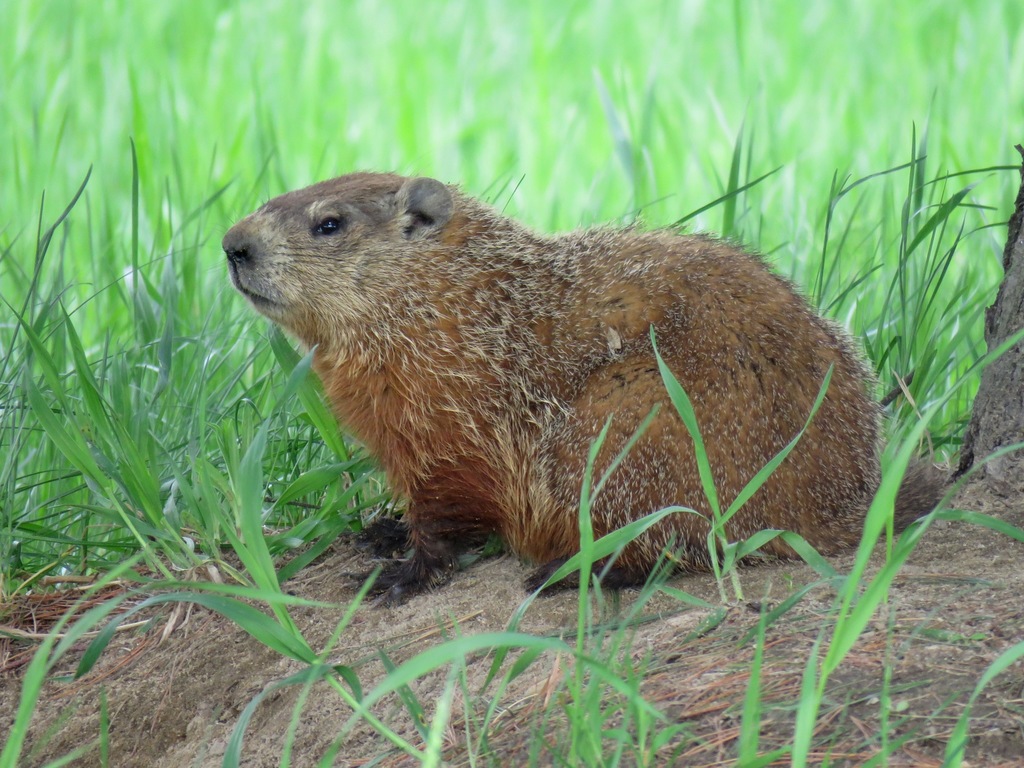
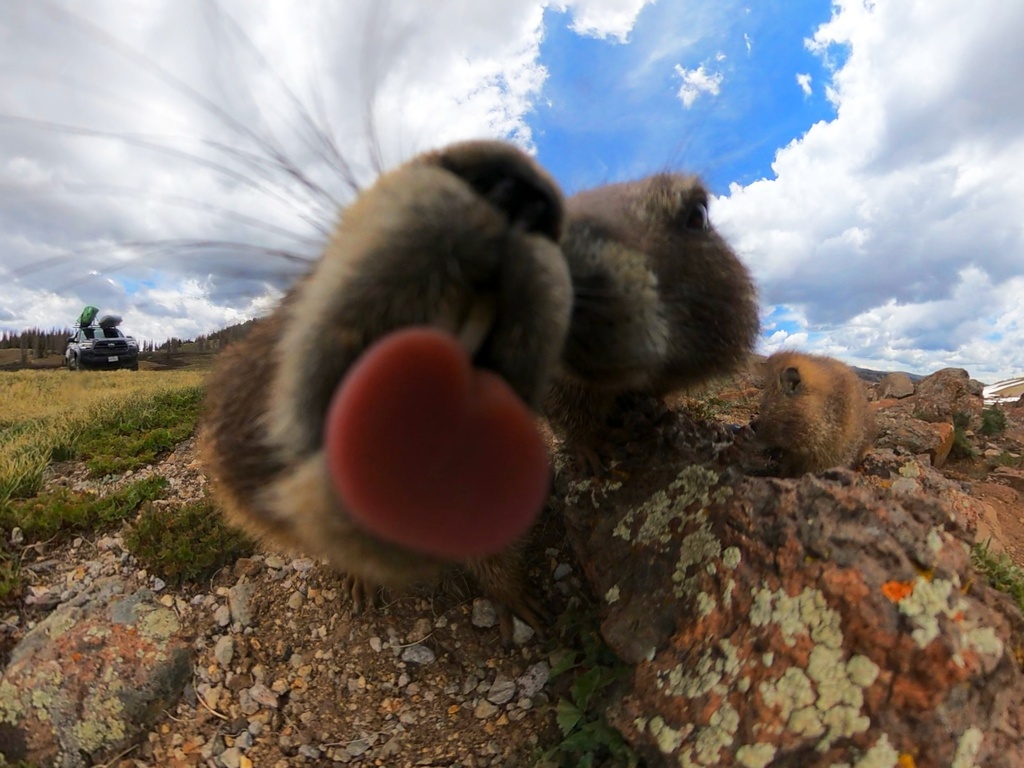
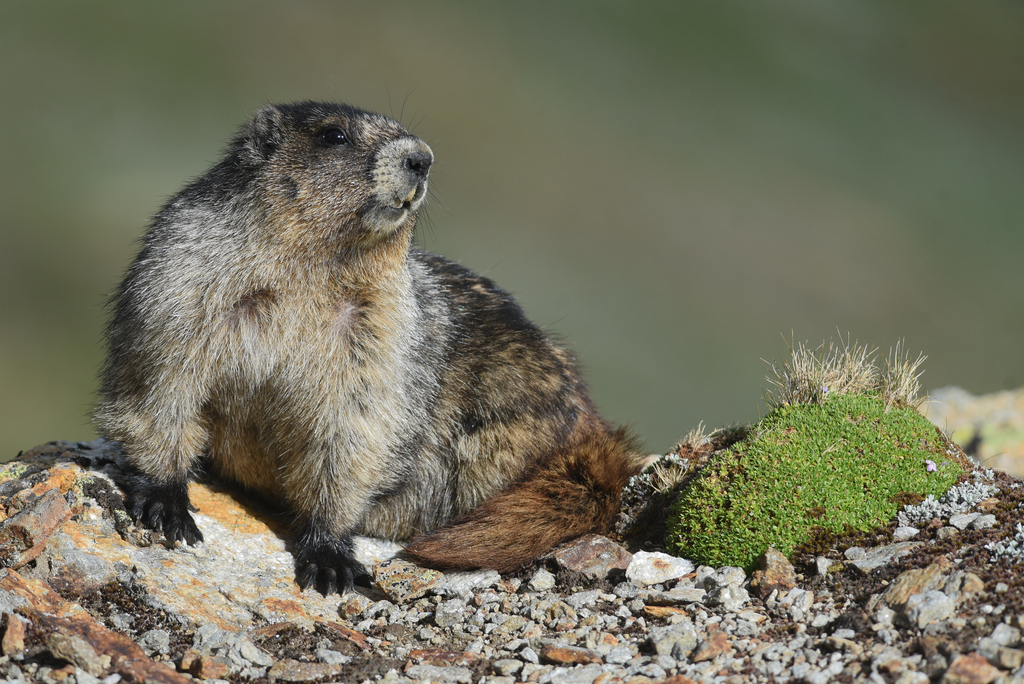
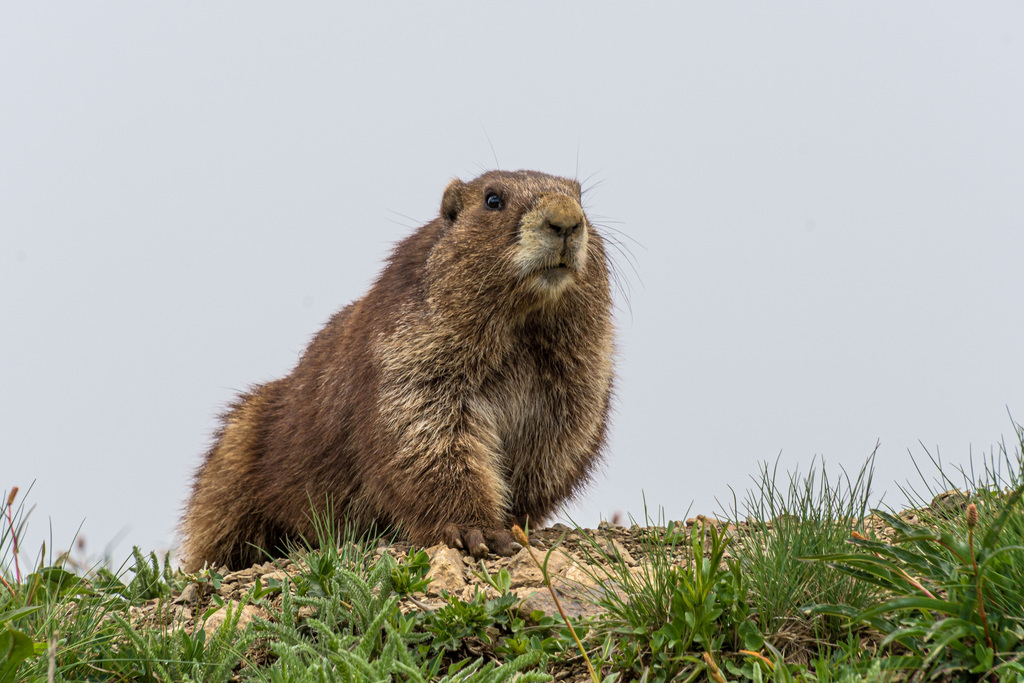
HIBERNATION MAKES BAD TIMING DANGEROUS
Woodchucks are true hibernators. They normally build substantial fat reserves before winter and use protected winter burrows. A juvenile that reaches “release age” late in the season may still be completely unprepared to survive hibernation.
1. Woodchuck release-age reference
2. Choose habitat that can support a burrow
- Return as close to the original territory as practical and legal whenever the site remains safe.
- Woodchuck habitat typically combines open grassy/foraging areas with nearby brush, field edge or woodland cover.
- Soil should be dry and diggable, not chronically flooded or compacted.
- Avoid road edges, active construction, poisoning/trapping sites and locations where landowners do not accept woodchucks.
- Do not release directly into another adult’s active defended burrow.
3. Seasonal decision gate
Spring/early summer: usually offers the longest window to establish a burrow, learn the site and gain body condition.
Late summer: evaluate species, body condition and local hibernation timing carefully; this is the period when woodchucks naturally build fat reserves.
Fall/winter: do not improvise a release close to or during hibernation season. Experienced wildlife rehabilitation supervision may require overwintering or another species-specific plan.
Other marmots: alpine species may have shorter active seasons and different social release requirements. Match the local species rather than applying the woodchuck calendar.
4. Soft-release setup
- Use the outdoor acclimation enclosure at the selected release property when possible.
- Choose a stretch of stable weather rather than releasing into severe heat, storms or abrupt cold.
- Open a secure exit that allows the animal to leave voluntarily while preserving access to the familiar shelter.
- Keep fresh water and supplemental natural forage available near the enclosure initially.
- Observe from a distance. Do not call, hand-feed or coax the animal back toward people.
Sources
Woodchuck-specific measurements are kept separate from broader marmot guidance because age, social structure, climate and release timing vary across Marmota species.
WOODCHUCK RESCUEWildlife Center of Virginia — If You Find a Baby Woodchuck↗
WOODCHUCK HAND-RAISINGOrphaned Wildlife Care — Woodchuck Care↗
VETERINARY MANUALMerck Veterinary Manual — Care of Orphaned Native Birds and Mammals↗
NATURAL HISTORYMassWildlife — Learn About Woodchucks↗
NATURAL HISTORYU.S. Fish & Wildlife Service — Groundhogs↗
FIND HELPAnimal Help Now — Wildlife Emergency Help↗