MARMOT & WOODCHUCK RESCUE · STAGE 1

Stage 1 — Discovery, Identification & Reunification

Decide whether the marmot truly needs rescue, identify the species group, check for urgent injury and give a healthy displaced youngster the safest possible chance to remain with its mother.

AT A GLANCEDo these things before moving on
IDENTIFYConfirm the animal group before choosing a feeding or release plan

Confirm the animal group before choosing a feeding or release plan.

LOCATIONKeep the exact find location; reunification and release depend on it

Keep the exact find location; reunification and release depend on it.

CONDITIONLook for coldness, injury, pet contact, fly eggs and abnormal behavior

Look for coldness, injury, pet contact, fly eggs and abnormal behavior.

VISUAL GUIDE

See the important points for this stage

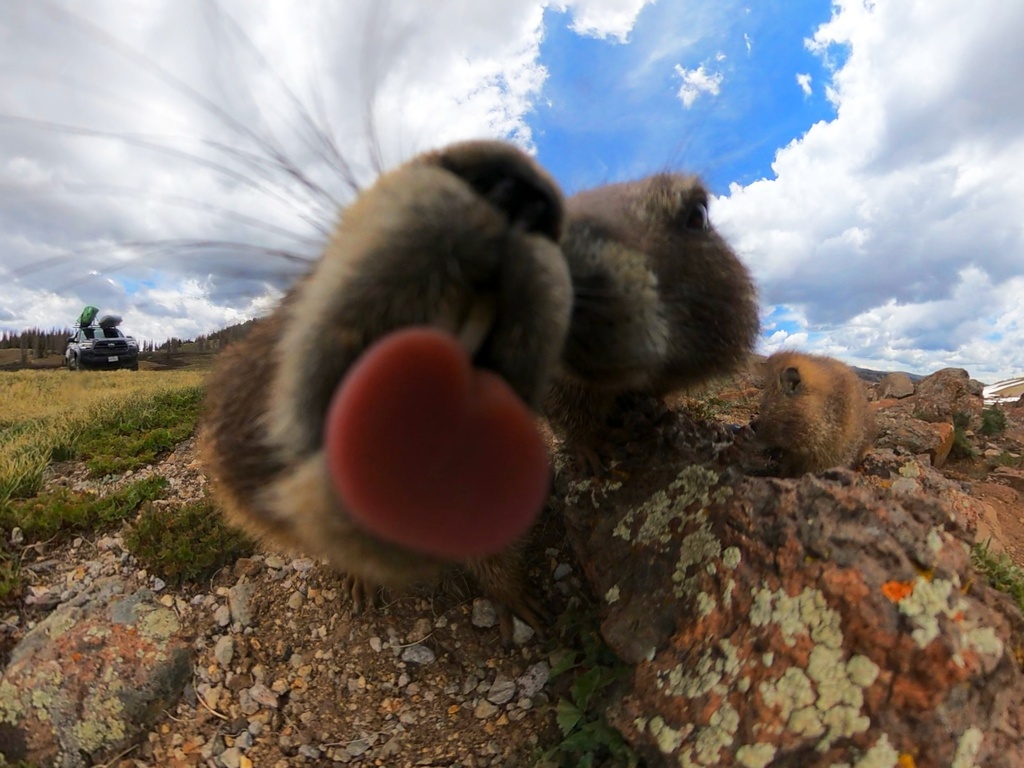
Yellow-bellied Marmot
IDENTIFYYellow-bellied MarmotConfirm the animal group before choosing a feeding or release plan.© Nick Ellis, some rights reserved (CC BY-NC) · CC-BY-NC · VIEW SOURCE ↗
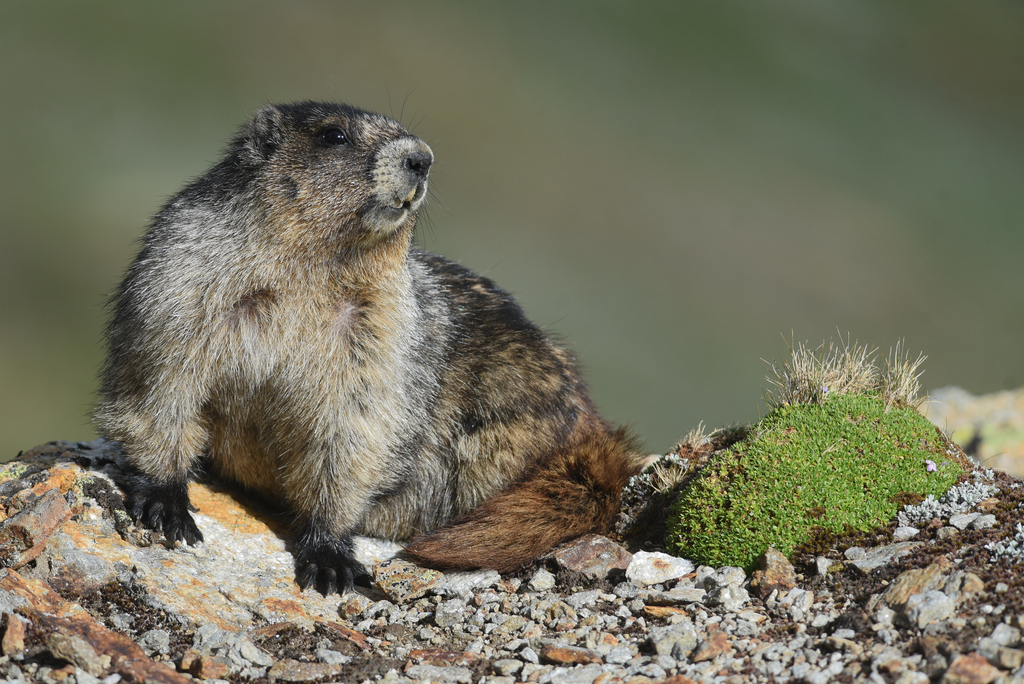
Hoary Marmot
LOCATIONHoary MarmotKeep the exact find location; reunification and release depend on it.no rights reserved · CC0 · VIEW SOURCE ↗
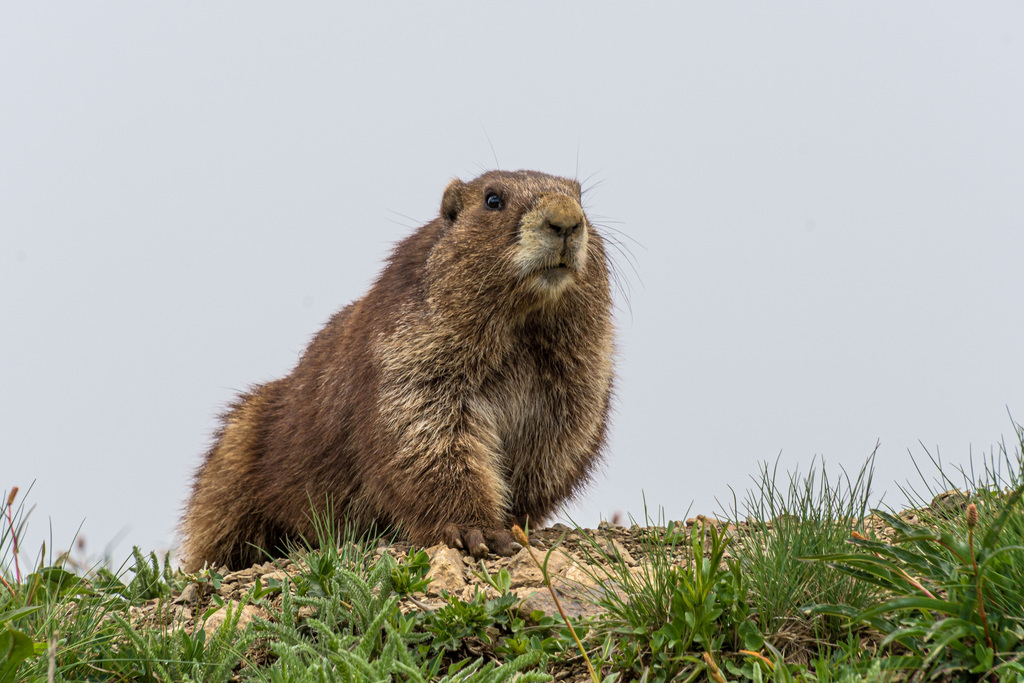
Olympic Marmot
CONDITIONOlympic MarmotLook for coldness, injury, pet contact, fly eggs and abnormal behavior.© Radd Icenoggle, some rights reserved (CC BY-NC) · CC-BY-NC · VIEW SOURCE ↗
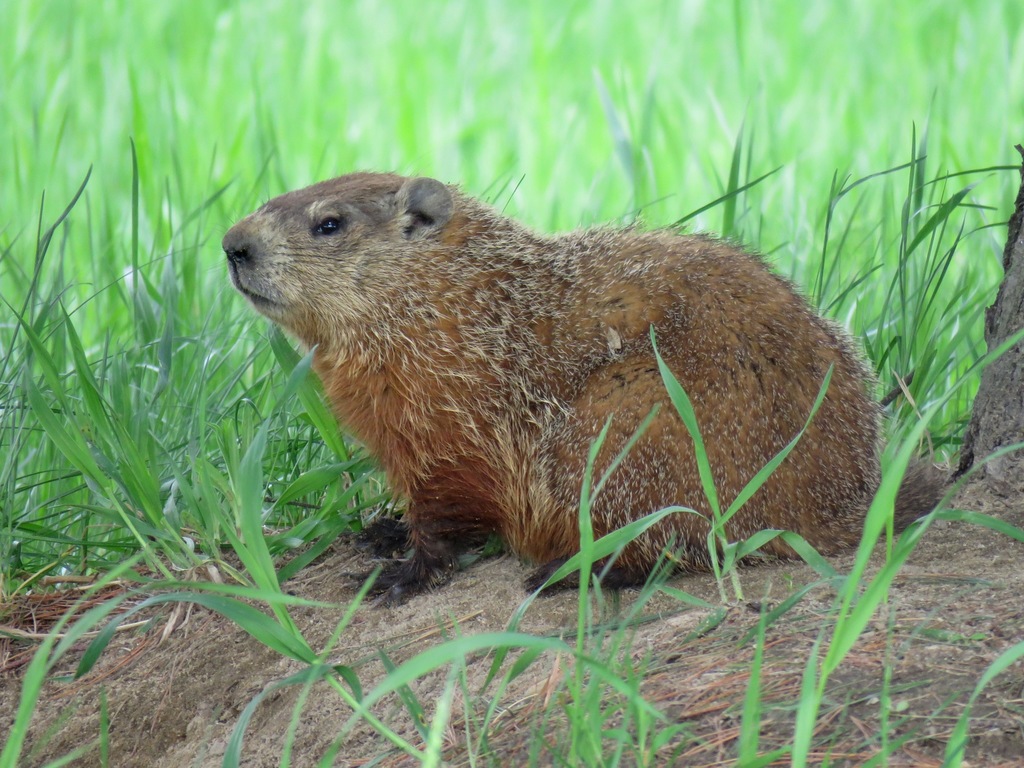
Woodchuck / Groundhog
REUNITEWoodchuck / GroundhogHealthy infants usually benefit most from a safe attempt to return them to the mother.© Mike Leveille, some rights reserved (CC BY-NC) · CC-BY-NC · VIEW SOURCE ↗
FIRST GOAL: DO NOT TURN A NORMAL JUVENILE INTO AN ORPHAN

Woodchuck babies develop quickly. A fully furred, coordinated youngster 6–8 inches long that avoids people may be normally emerging from the den. Very small, eyes-closed or weak youngsters outside a burrow are a different situation.

1. Decide whether rescue is actually needed

Likely needs help: cold, wet, slow-moving, unusually non-defensive, crying for hours, visibly injured, fly eggs/maggots present, or a tiny eyes-closed infant outside the den for multiple hours.
Urgent professional care: cat/dog contact, punctures, bleeding, fracture, head trauma, seizures, labored breathing, severe dehydration or known toxin exposure.
May be normal: a fully furred, mobile youngster about 6–8 inches long that keeps distance from people and returns toward cover or a den.

2. Identify which marmot you have

Woodchucks are the common lowland eastern North American marmot, but western and northern regions have other Marmota species. Photograph the animal and habitat, record the exact location and compare against the local species directory before using woodchuck-specific ages or release rules.

3. Reunification after a known den disturbance

  1. Use gloves. Do not hold a woodchuck against your body or let children handle it.
  2. Keep the baby at the exact find location. Do not relocate it to another burrow or park.
  3. For a known disturbance such as landscaping, construction or a dog digging at the den, place the baby in an open shoebox or low secure container near the original den area.
  4. Place gentle supplemental warmth under only part of the setup; the heat source must not directly contact the animal.
  5. Keep people and pets completely away. Watch from a building, vehicle or long distance.
  6. Try during daylight and allow roughly 1–3 quiet hours when weather and safety permit.
  7. If the mother does not return, the animal worsens, or no den disturbance explains why the baby is out, contain it and continue to Stage 2.

4. Record what will matter later

  • Exact map pin and den/burrow location
  • Species guess and clear photographs
  • Date, time, temperature and weather
  • Whether excavation, flooding, mowing, trapping or a dog disturbed the burrow
  • Any bite, scratch, saliva or pet exposure involving people or domestic animals
  • Initial weight in grams when safe to obtain
  • Anything already fed, given or applied

Sources

Woodchuck-specific measurements are kept separate from broader marmot guidance because age, social structure, climate and release timing vary across Marmota species.