
- Weight is stable or rising without relying on a large formula volume.
- The juvenile consumes substantial natural greens throughout the day.
- Normal formed stool continues through formula reductions.
- It drinks independently from a stable water source.
- It carries, manipulates and selects plant material without waiting for hand delivery.
- It remains energetic and maintains body condition between feeds.
AT A GLANCEDo these things before moving on
Weaning follows reliable solid intake, weight stability and normal elimination.
Build the solid-food base around the species’ natural ecology.
Strength, coordination, climbing/digging/gliding and foraging must develop before release.
VISUAL GUIDE
See the important points for this stage
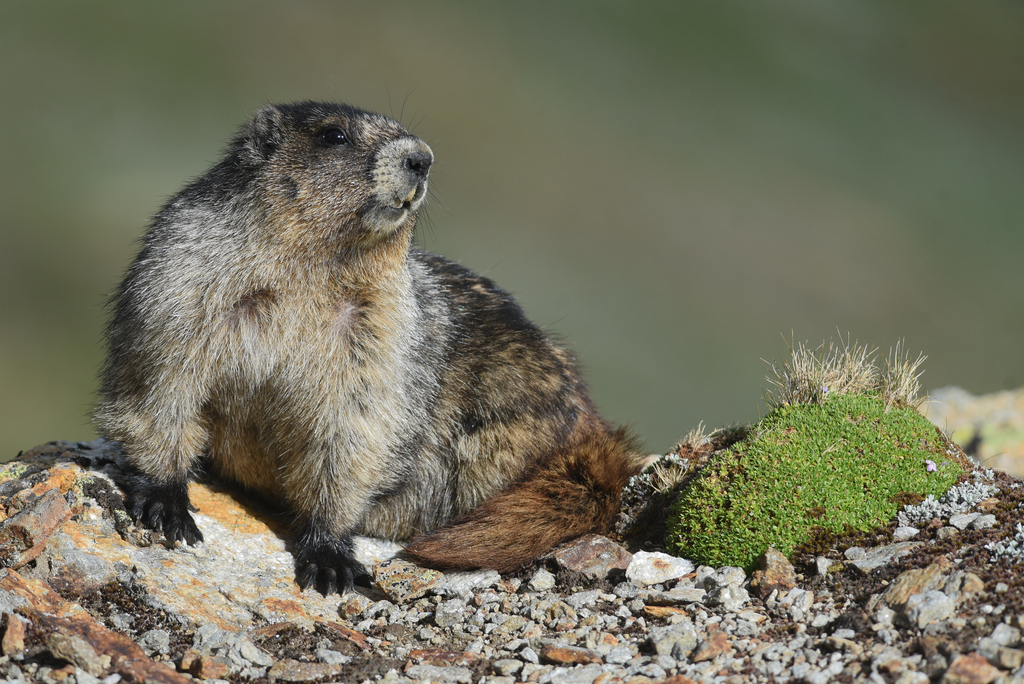
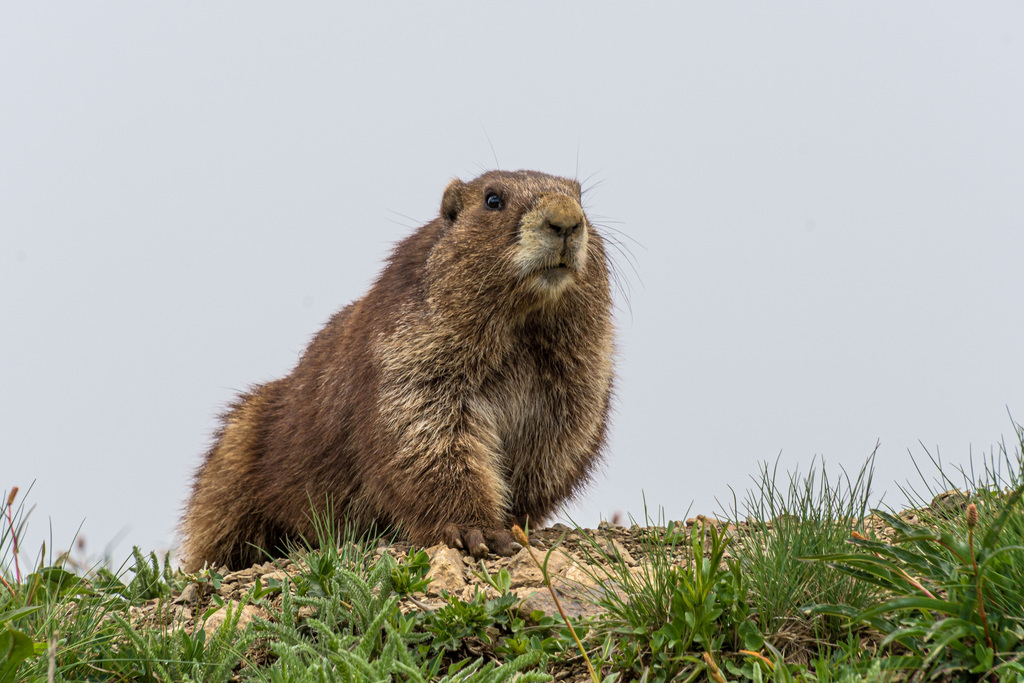
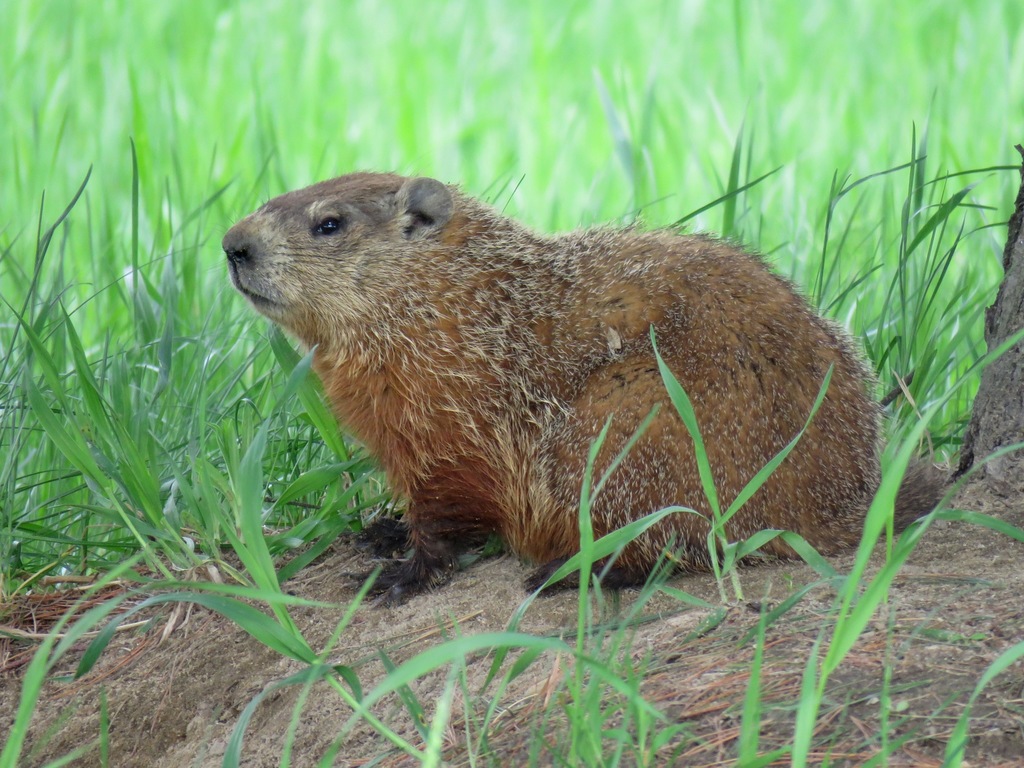
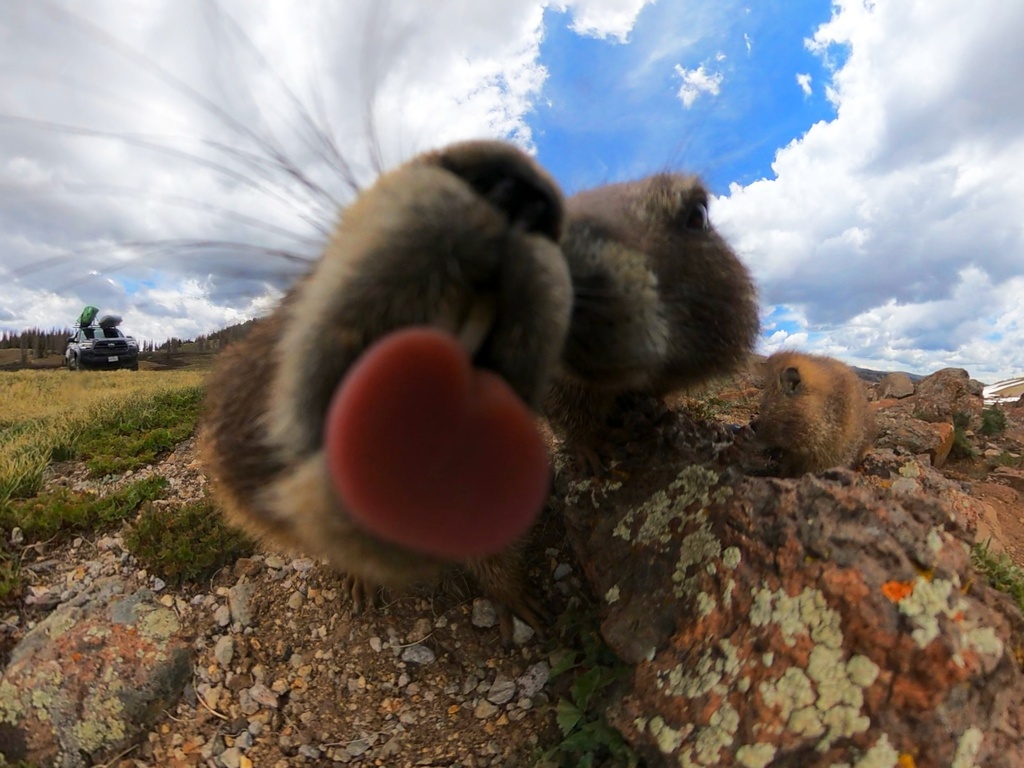
WEANING IS A PROCESS, NOT A SINGLE DATE
Wild woodchucks are weaned around five to six weeks, while a hand-raised juvenile may continue taking some formula as it learns to eat enough solid food. The goal is a steady transition, not forcing an abrupt stop or allowing formula to delay natural foraging.
1. Know when self-feeding is actually established
2. Build the diet around what a wild marmot recognizes
Foundation: grasses, clover, dandelion and other locally appropriate herbaceous vegetation collected from pesticide/herbicide-free areas.
Browse variety: safe leaves, stems and limited bark/twigs from verified non-toxic local plants.
Supplemental produce: leafy vegetables and modest amounts of other produce can add variety, but should not replace natural forage.
Water: provide fresh water even though wild woodchucks obtain substantial moisture from vegetation.
Refresh natural greens several times daily during warm weather. Spoiled, wilted or feces-contaminated food should be removed promptly.
3. Make food require normal behavior
Scatter and hide forage through soil, roots, brush piles and different enclosure levels. Hang or wedge leafy stems so the juvenile must pull and manipulate them. Replace hand-feeding with quiet servicing of the enclosure and leave before the animal eats whenever possible.
4. Pre-outdoor readiness checklist
- Fully furred and maintaining body temperature without supplemental heat
- Eating natural solids consistently
- Strong digging, climbing-over-obstacles and rapid retreat behavior
- No active diarrhea, respiratory signs, wounds or untreated parasites
- Increasing avoidance of people
- Secure body condition appropriate to species and season
Sources
Woodchuck-specific measurements are kept separate from broader marmot guidance because age, social structure, climate and release timing vary across Marmota species.
WOODCHUCK RESCUEWildlife Center of Virginia — If You Find a Baby Woodchuck↗
WOODCHUCK HAND-RAISINGOrphaned Wildlife Care — Woodchuck Care↗
VETERINARY MANUALMerck Veterinary Manual — Care of Orphaned Native Birds and Mammals↗
NATURAL HISTORYMassWildlife — Learn About Woodchucks↗
NATURAL HISTORYU.S. Fish & Wildlife Service — Groundhogs↗
FIND HELPAnimal Help Now — Wildlife Emergency Help↗