
Species Directory
Browse tree, flying and ground squirrels, then open a species profile for scientific name, range, habitat, physical traits and conservation information.
260+ species profiles are available in the current directory.
Explore the squirrel family from two directions: identify the animal through the species directory, or start with a subject such as behavior, diet, habitat, adaptations, communication or research. Learn is the natural-history side of SQRLFather; practical intervention stays in Guide.
The library is intentionally layered so you do not need to know a scientific name before you begin.
Browse tree, flying and ground squirrels, then open a species profile for scientific name, range, habitat, physical traits and conservation information.
260+ species profiles are available in the current directory.
Use Behavior, Wild Diet, Habitat & Adaptations and Case Studies when your question is about how squirrels live rather than which species you saw.
Myths & Misconceptions separates common claims from supported information, while Sources & Organizations explains where the reference material comes from.
Learn explains squirrels. Guide handles rescue, rehabilitation, long-term care and legal questions where bad advice can create real harm.
Start with the way the animal lives. Each directory opens into individual species profiles with identification, range, habitat and natural-history information.
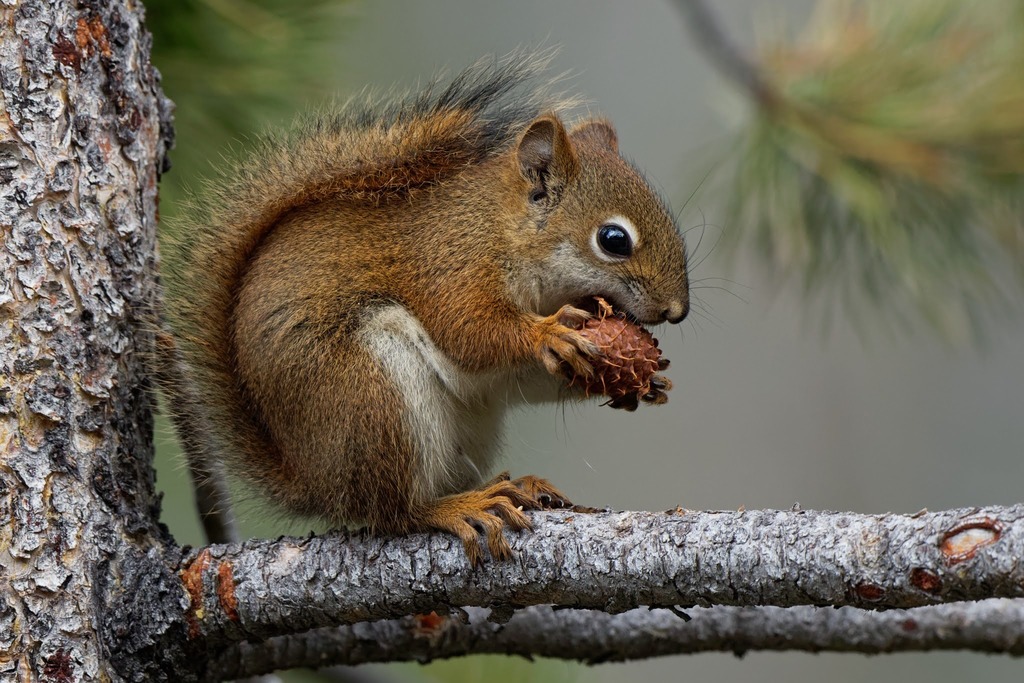
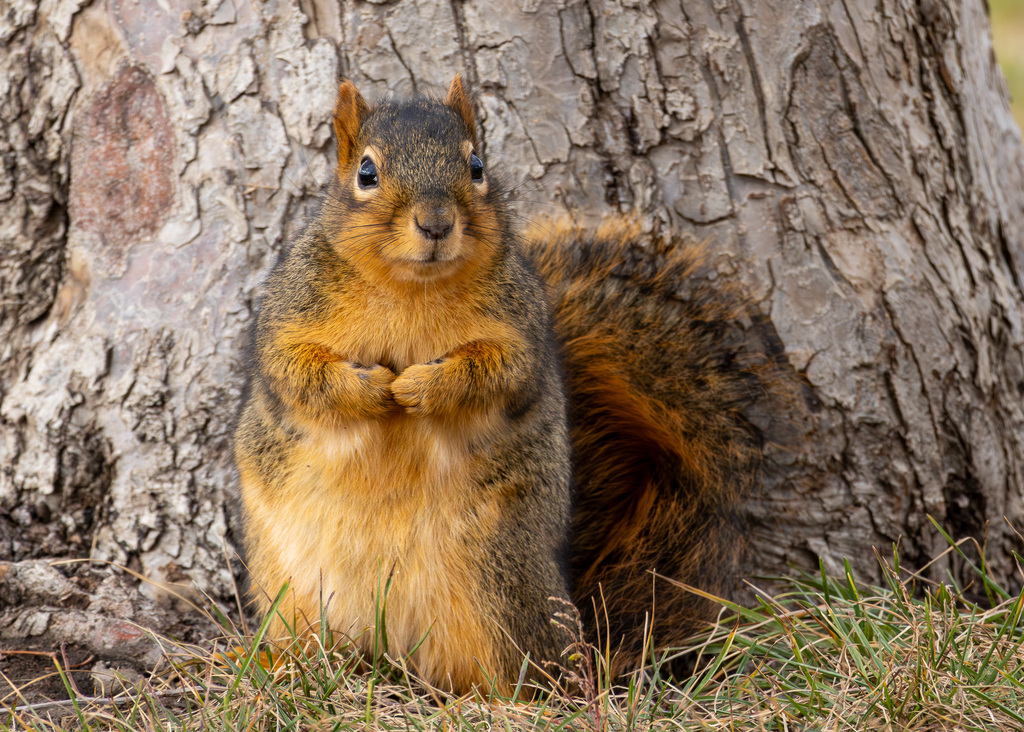
Arboreal squirrels from forests, woodlands and tree-rich habitats around the world.
Photo: © jmarcinik, some rights reserved (CC BY-NC) · CC BY-NC ↗ 93 DIRECTORY ENTRIES →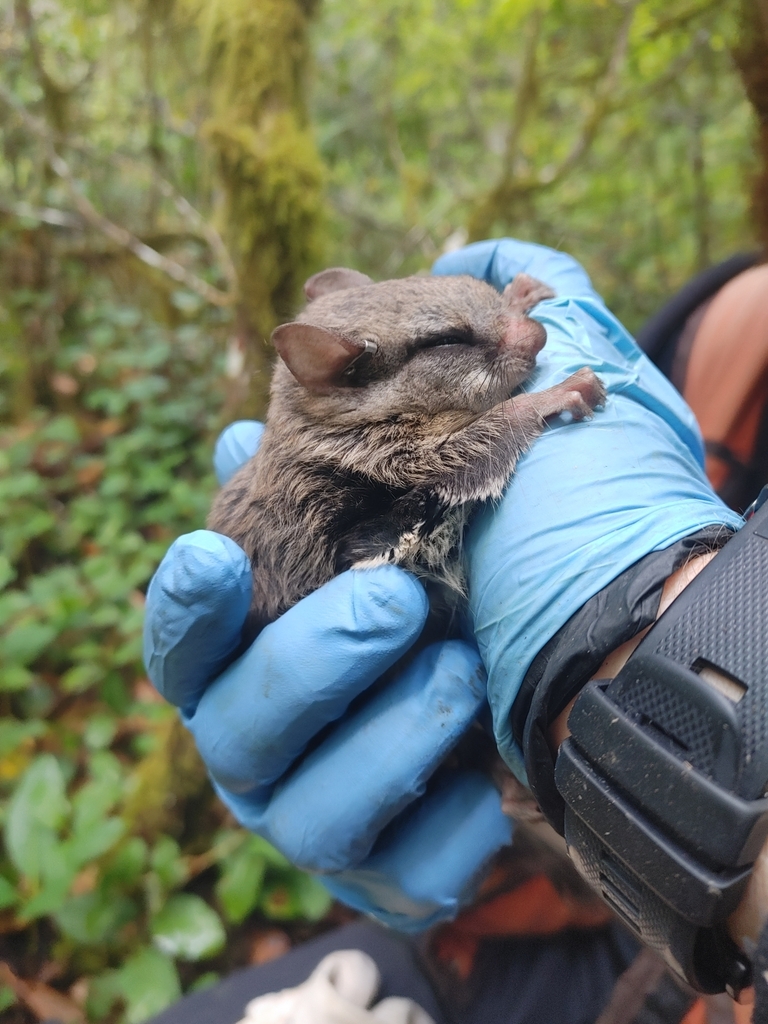
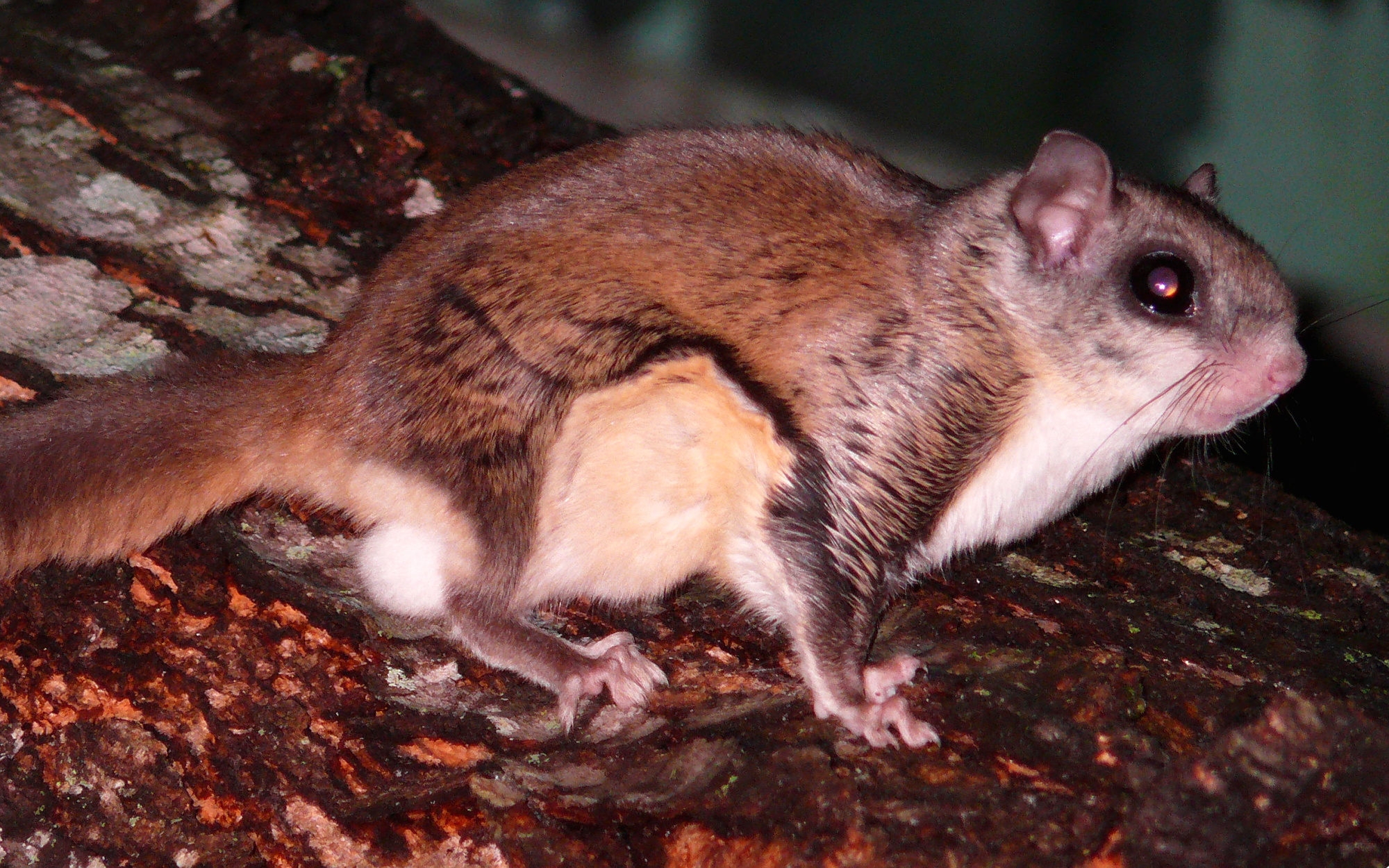
Gliding squirrels adapted for canopy travel, nocturnal activity and life above the forest floor.
Photo: © Kyle Stark, some rights reserved (CC BY-NC) · CC BY-NC ↗ 58 DIRECTORY ENTRIES →
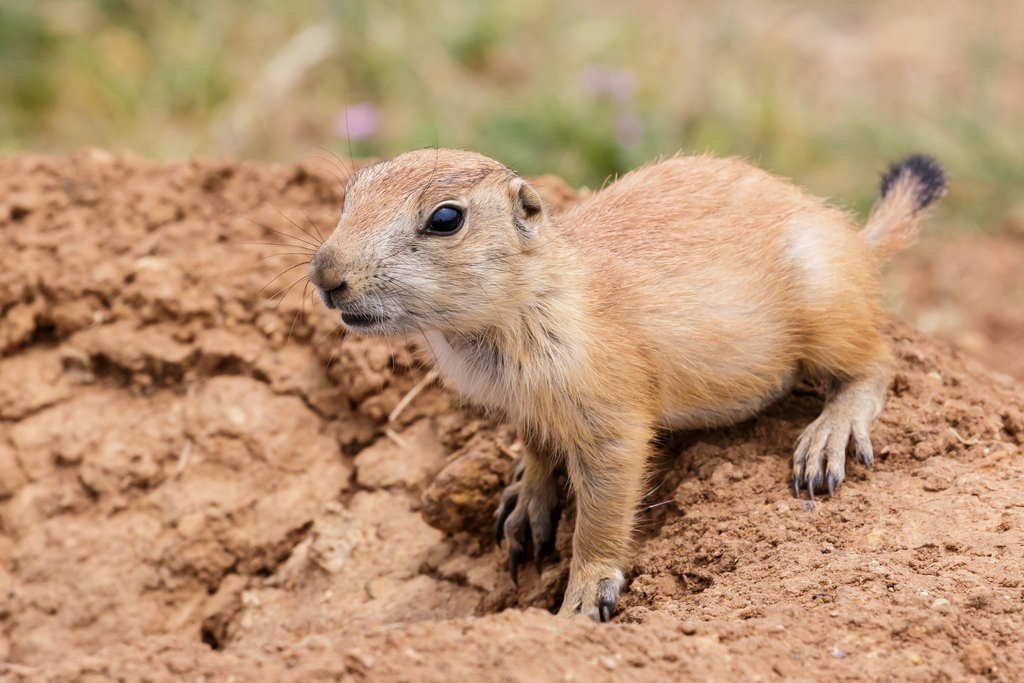
Burrowing Sciuridae including ground squirrels, chipmunks, marmots and prairie dogs.
Photo: © Claudia Komesu, some rights reserved (CC BY-NC) · CC BY-NC ↗ 76 DIRECTORY ENTRIES →Looking for the individual squirrels that are part of SQRLFather? The Squirrels tab is reserved for members of The Scurry.
Choose a subject when you want to go beyond identification and understand how squirrels live, communicate, feed, adapt and interact with their environments.

Taxonomy, identification, range, ecology and how to read the species library.
Rajiv Thanawala · iNaturalist · CC BY-NC ↗EXPLORE →
Activity, caching, communication, social systems, predators and seasonal behavior.
Mike Leveille · iNaturalist · CC BY-NC ↗EXPLORE →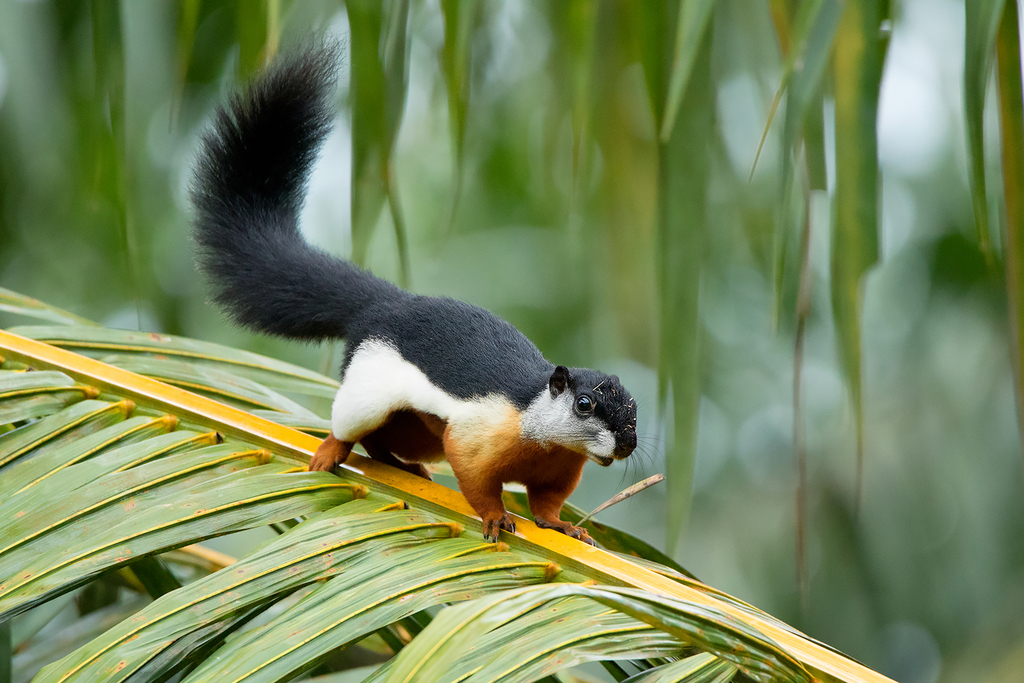
Natural foods, seasonal foraging, caching decisions, fungi and nutritional ecology.
ayuwat · iNaturalist · CC BY-NC ↗EXPLORE →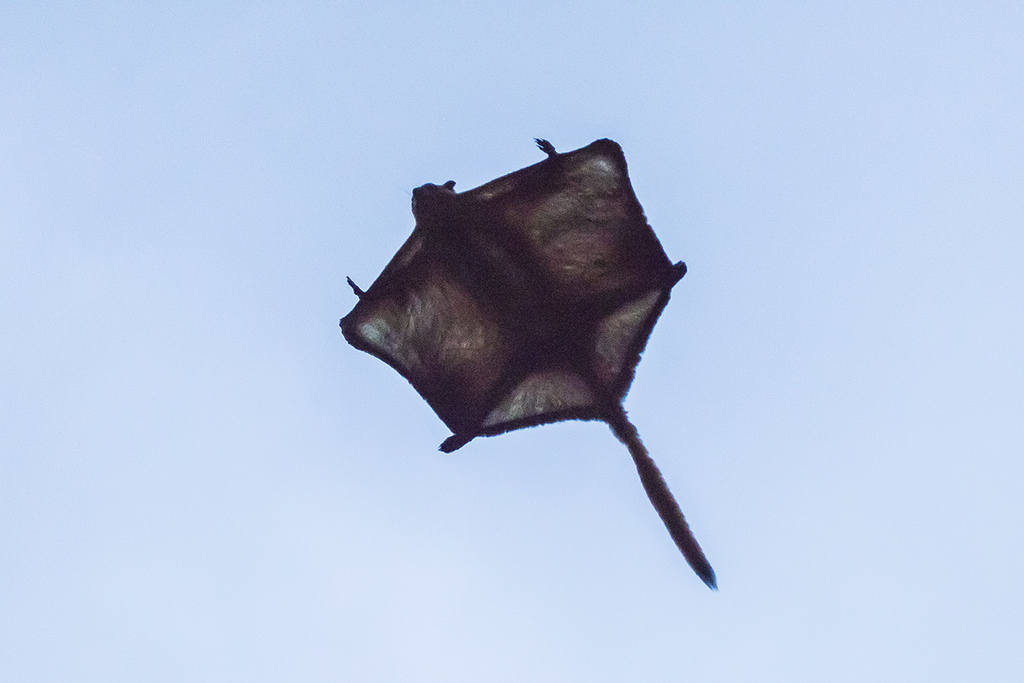
Canopy life, burrows, gliding, hibernation, cities and ecological roles.
© matthewkwan, some rights reserved (CC BY-ND) · CC BY-ND ↗EXPLORE →
Research examples covering caching, deception, prairie-dog calls and flying-squirrel ecology.
© Greg Lasley, some rights reserved (CC BY-NC) · CC BY-NC ↗EXPLORE →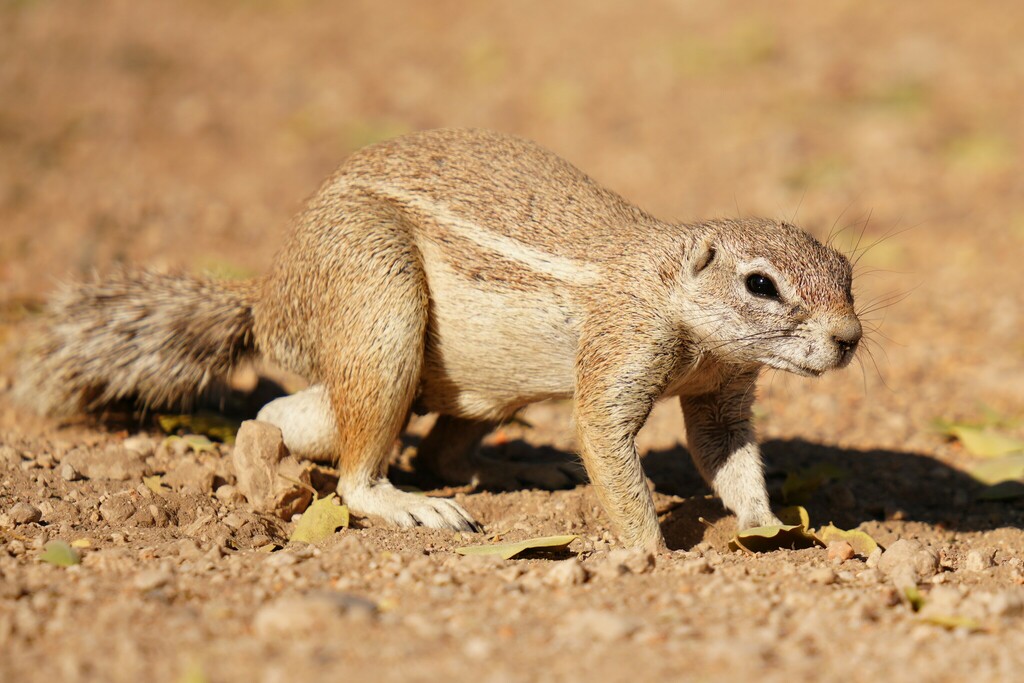
Common squirrel claims checked against research and wildlife-agency information.
© silver57, some rights reserved (CC BY-NC) · CC BY-NC ↗EXPLORE →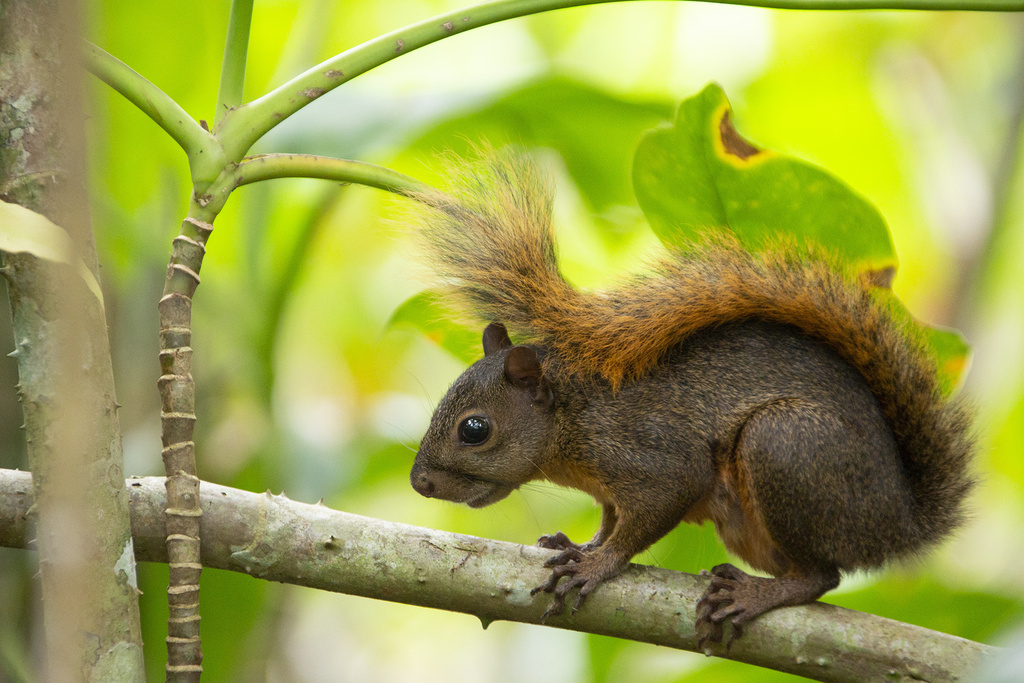
Source standards, research links, image provenance and how unknown data is handled.
© Joshua Wade Covill, some rights reserved (CC BY-NC) · CC BY-NC ↗EXPLORE →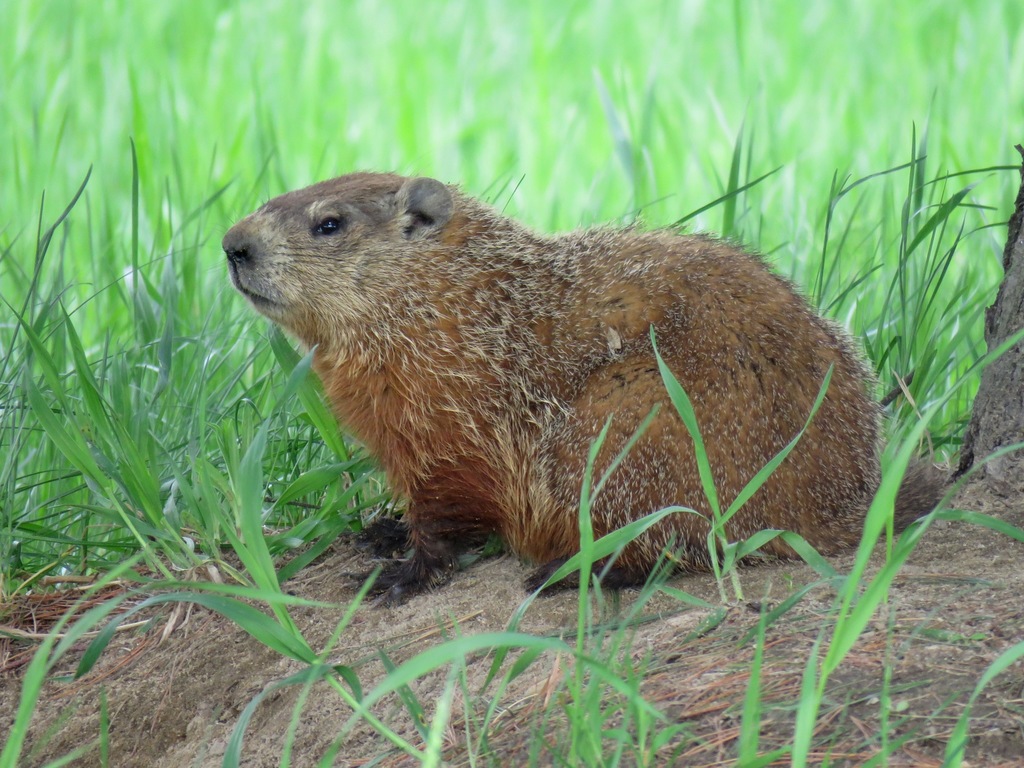
A verified fact library with the useful context behind each short claim.
Mike Leveille · iNaturalist · CC BY-NC ↗EXPLORE →