
01 · LONG-TERM CARE
Care & Husbandry
Species-specific food, enclosure design, daily routine, enrichment, social needs, veterinary planning, seasonal care and emergencies.
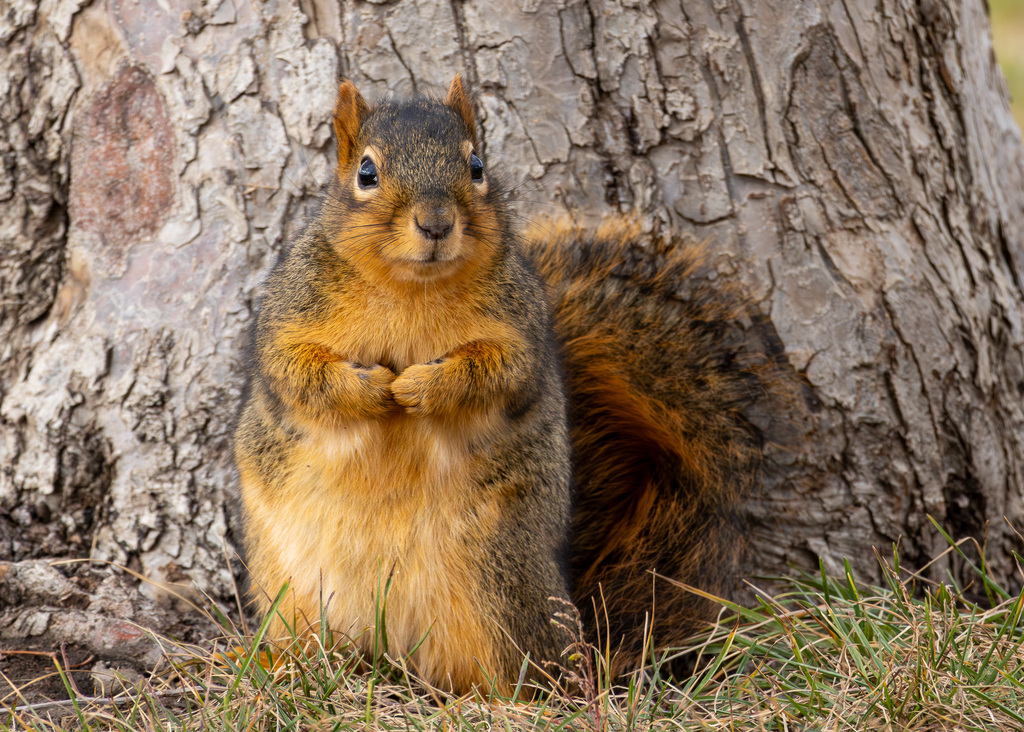
Tobin Brown · iNaturalist · CC BY-NC ↗OPEN CARE LIBRARY →Practical, species-aware guidance for three different situations: a wild squirrel that may need immediate help, an animal in rehabilitation, or a squirrel in legal long-term care. The Guide keeps those situations separate so emergency steps, husbandry and legal research do not blur together.

A healthy infant may still have a mother nearby. An injured, cold, weak, cat/dog-caught or clearly orphaned squirrel needs a different response. The rescue library walks through that decision by squirrel group.
Emergency guidance is consistent with U.S. Fish & Wildlife Service / Wildlife Center of Virginia baby-squirrel guidance and Animal Help Now. The species-specific rescue pages contain the detailed pathway and source links.
Care, rehabilitation and legal research overlap, but they are not interchangeable. Start with the reason the animal is in your care.
Species-specific food, enclosure design, daily routine, enrichment, social needs, veterinary planning, seasonal care and emergencies.
Tobin Brown · iNaturalist · CC BY-NC ↗OPEN CARE LIBRARY →
Triage, reunification, stabilization, age-appropriate care, development, pre-release conditioning and release planning by squirrel group.
Ken Thomas · Public domainOPEN RESCUE LIBRARY →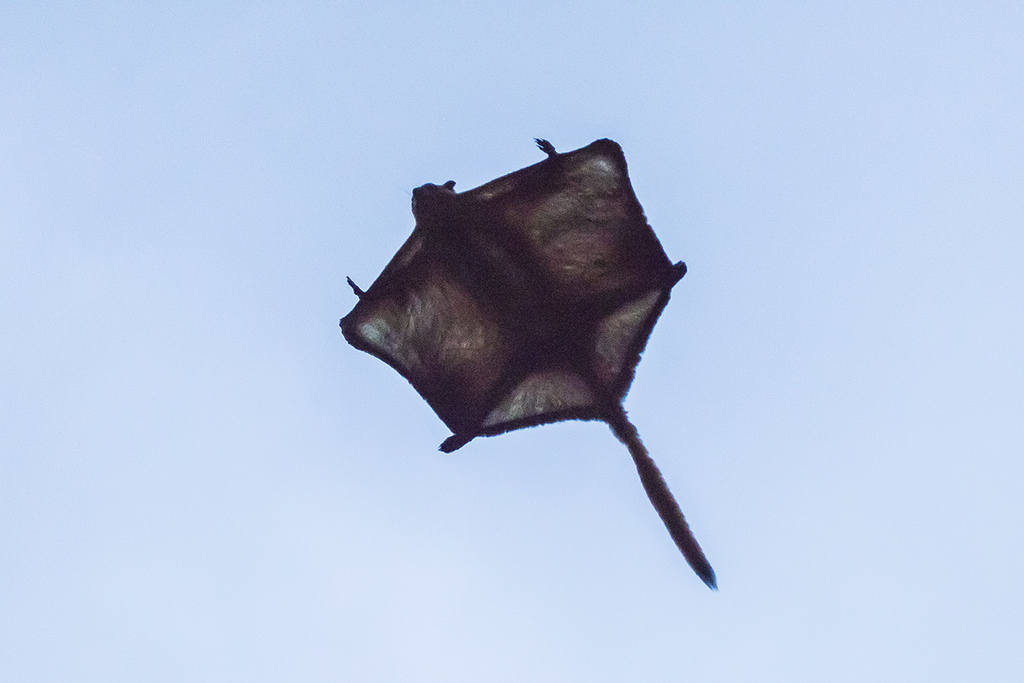
Research possession, rehabilitation, permanent-care, transport, breeding and exhibition rules using current official authorities.
© matthewkwan, some rights reserved (CC BY-ND) · CC BY-ND ↗OPEN LEGAL REFERENCE →Choose the animal first. Each library then separates food, enclosure, daily care, enrichment, social needs, health, seasonal care and emergency planning so information stays where it belongs.
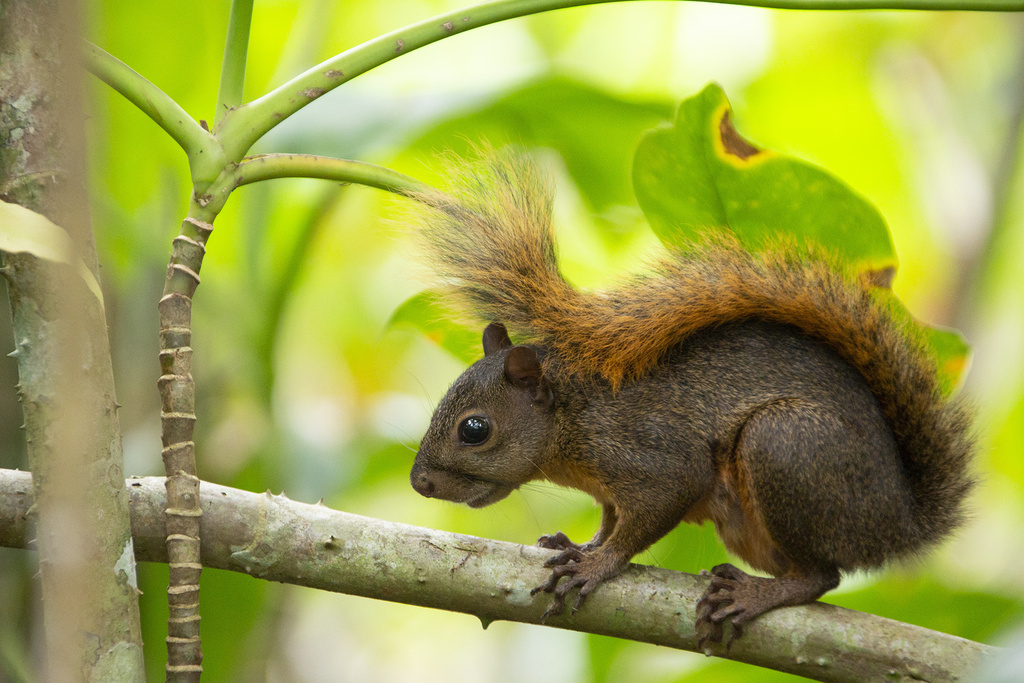
Vertical-climbing species with species-aware diet, housing, health and long-term care.
© Joshua Wade Covill, some rights reserved (CC BY-NC) · CC BY-NC ↗OPEN CARE GUIDE →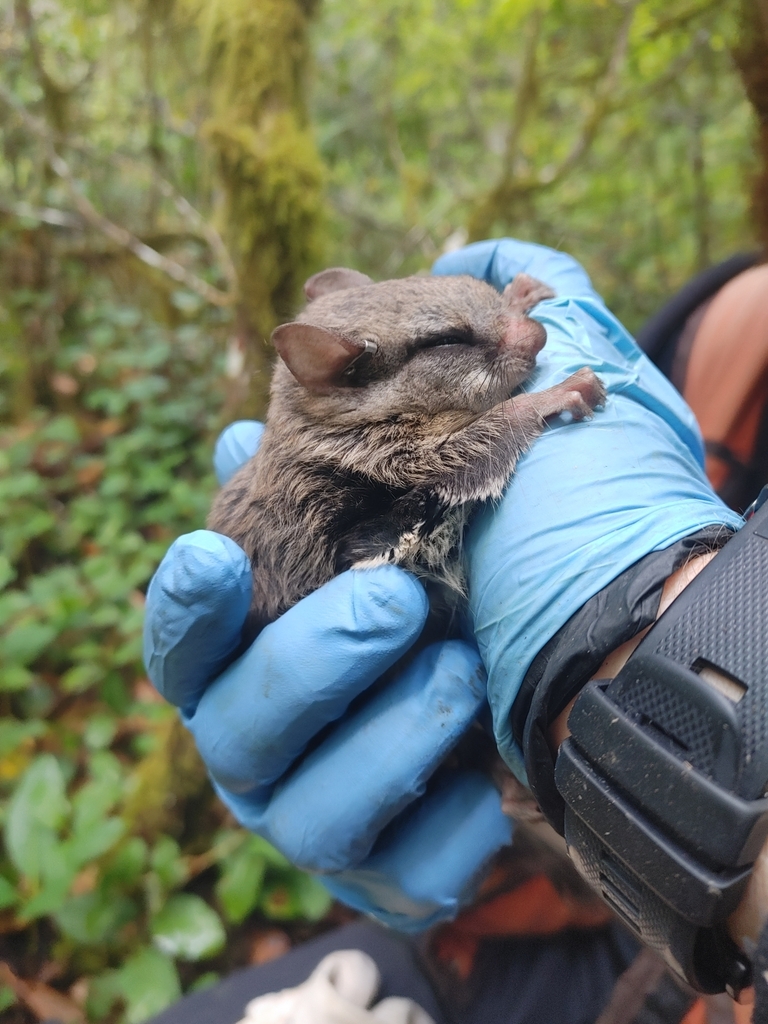
Height, clear glide routes, protected nest spaces, varied foods and species-aware social care.
© Kyle Stark, some rights reserved (CC BY-NC) · CC BY-NC ↗OPEN CARE GUIDE →
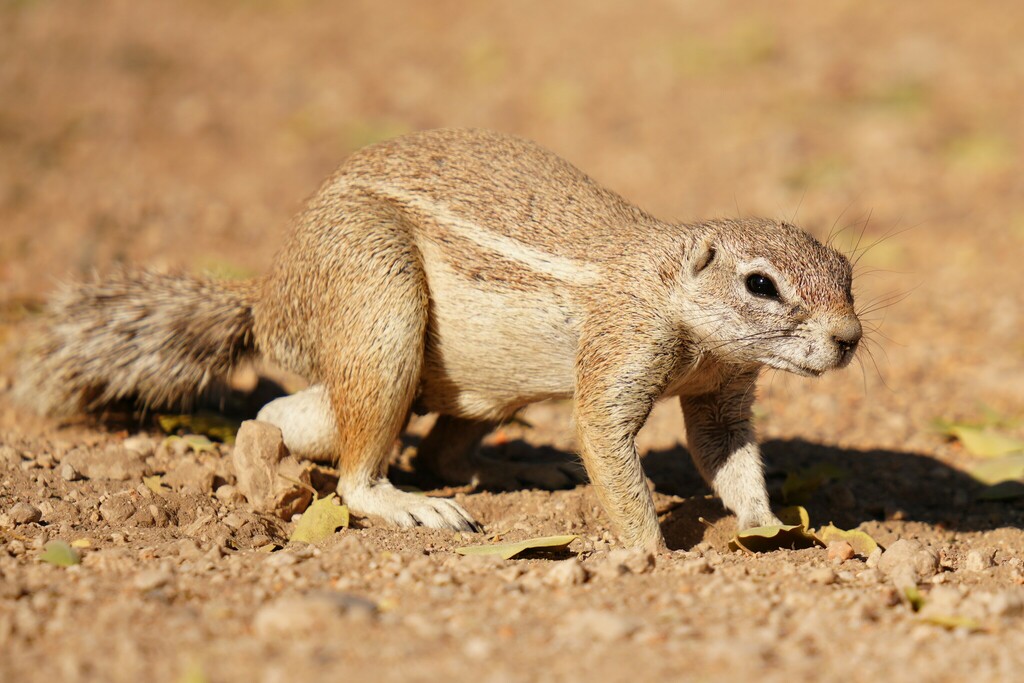
Digging space, horizontal movement and species-variable diet, sociality and seasonal biology.
© Claudia Komesu, some rights reserved (CC BY-NC) · CC BY-NC ↗OPEN CARE GUIDE →
Escape-resistant housing, digging opportunities, cache management, varied foods and careful social decisions.
© Jim Boone, some rights reserved (CC BY-NC) · CC BY-NC ↗OPEN CARE GUIDE →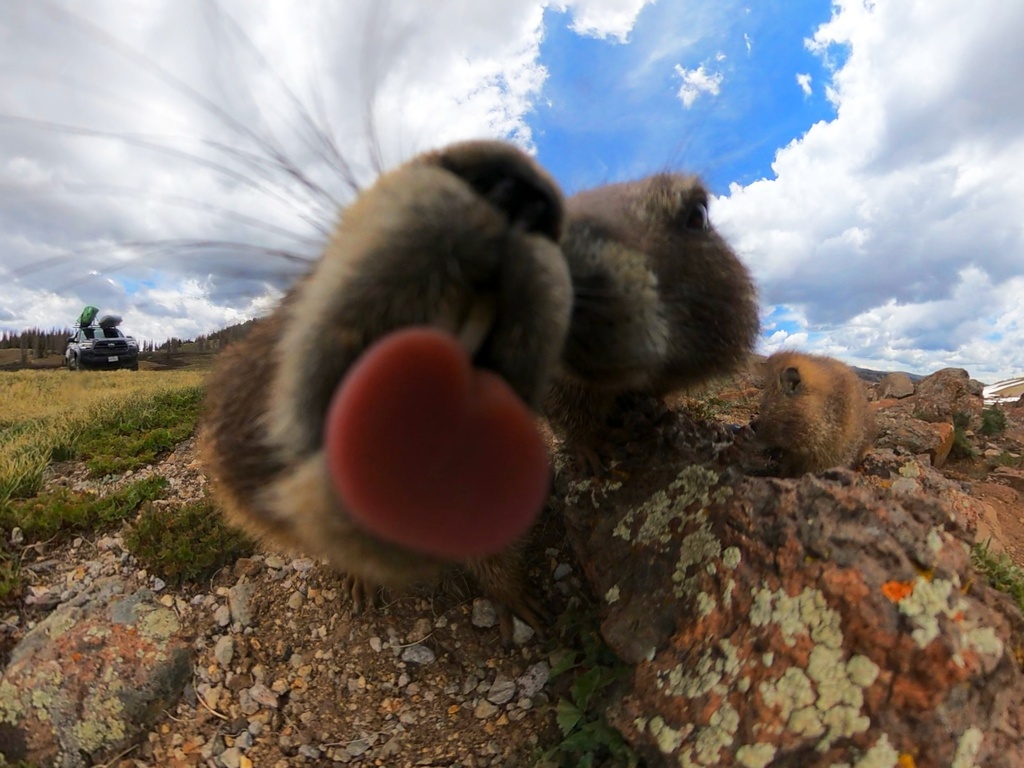
Robust housing, deep substrate, herbivore-focused feeding and deliberate seasonal planning.
© Nick Ellis, some rights reserved (CC BY-NC) · CC BY-NC ↗OPEN CARE GUIDE →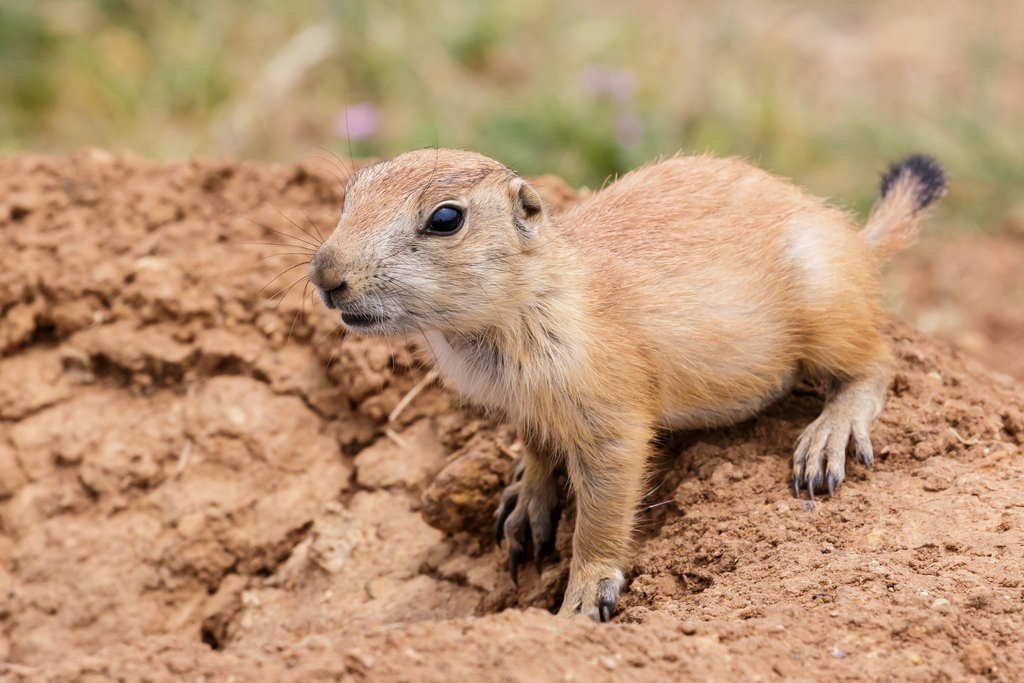
Grass-hay-centered nutrition, digging space, exercise and colony-aware social planning.
© Meghan Cassidy, some rights reserved (CC BY-SA) · CC BY-SA ↗OPEN CARE GUIDE →Gray-squirrel methods cannot simply be copied onto every member of Sciuridae. Choose the closest group for the correct day-one-to-release pathway.
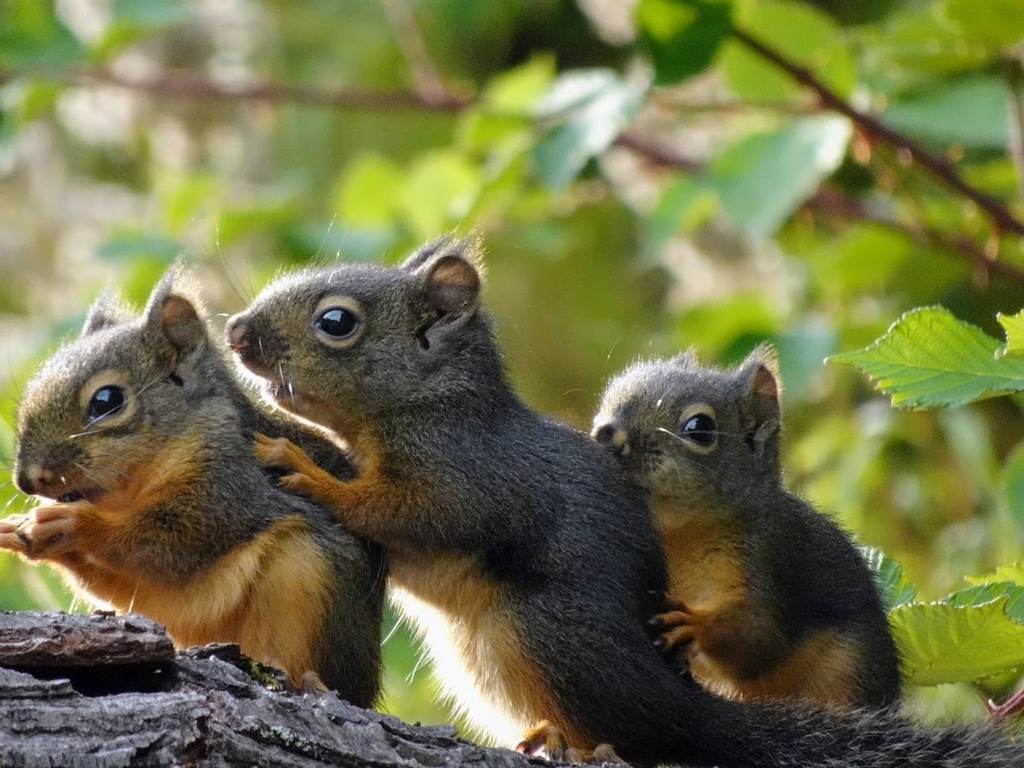
Assessment, warmth, feeding progression, development, pre-release conditioning and release.
© song_dog, some rights reserved (CC BY-NC) · CC BY-NC ↗OPEN RESCUE GUIDE →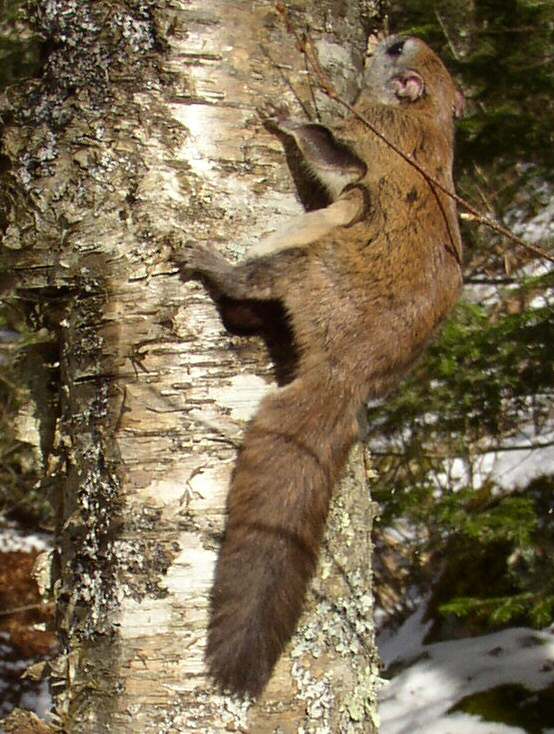
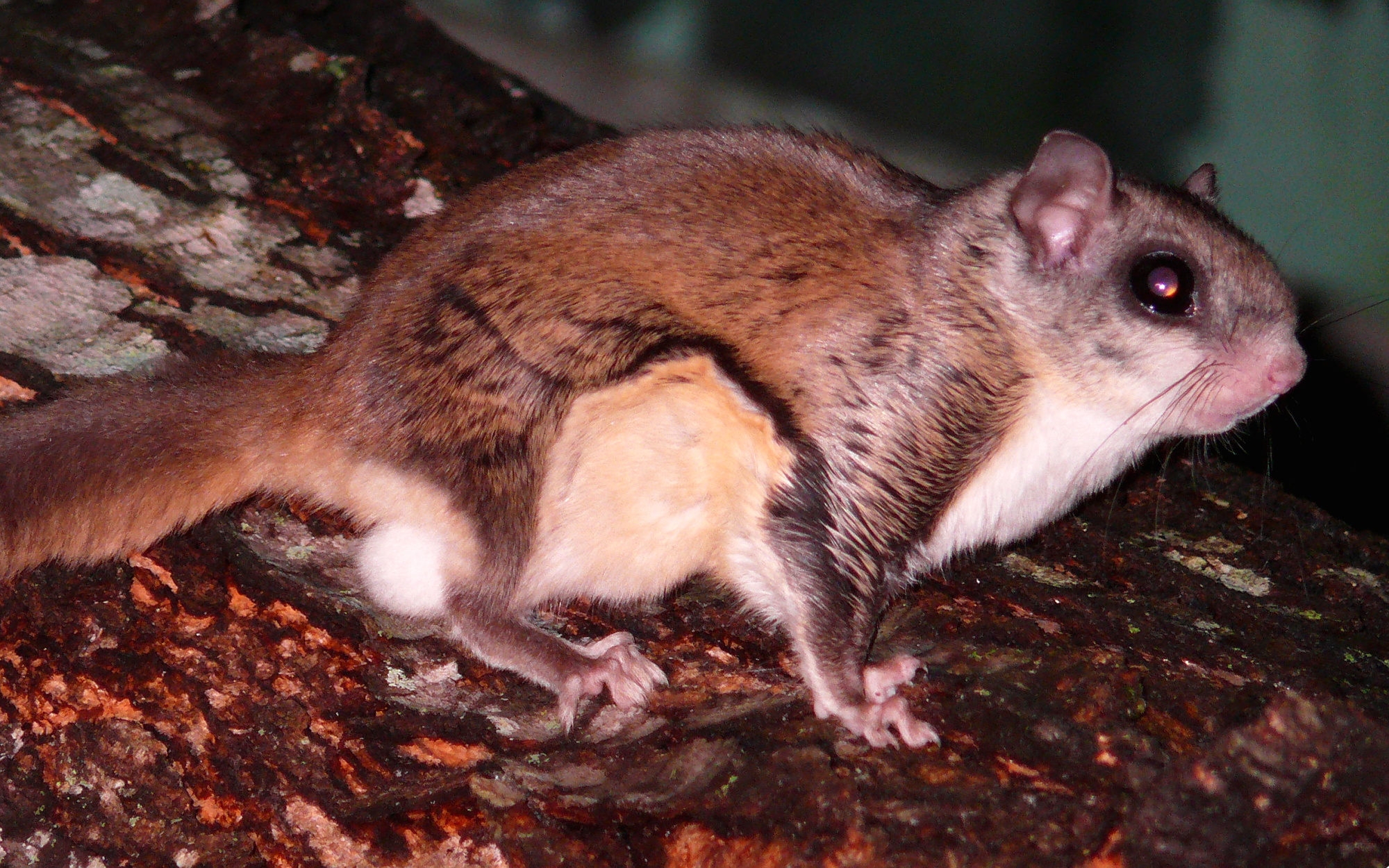
Nocturnal development, gliding needs, nest security and species-aware social/release planning.
National Park Service · public-domain/agency imageOPEN RESCUE GUIDE →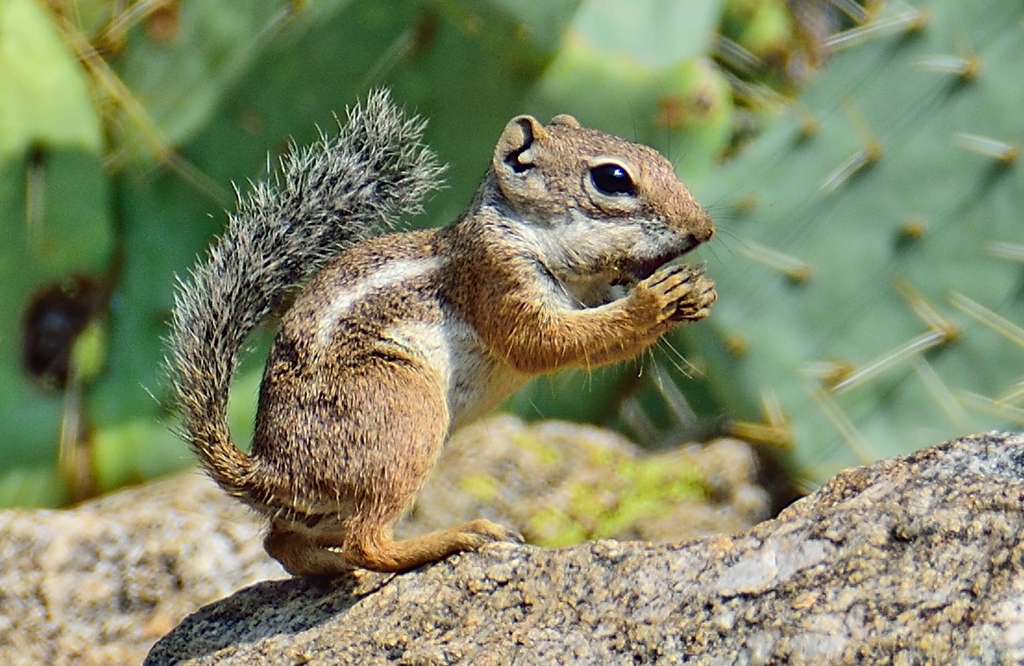
Species-variable development, burrowing behavior, diet, dormancy considerations and release.
© Ad Konings, some rights reserved (CC BY-NC) · CC BY-NC ↗OPEN RESCUE GUIDE →
Fast, stress-sensitive, escape-prone youngsters with precise feeding, housing and release needs.
© Chris Charlesworth, some rights reserved (CC BY-NC) · CC BY-NC ↗OPEN RESCUE GUIDE →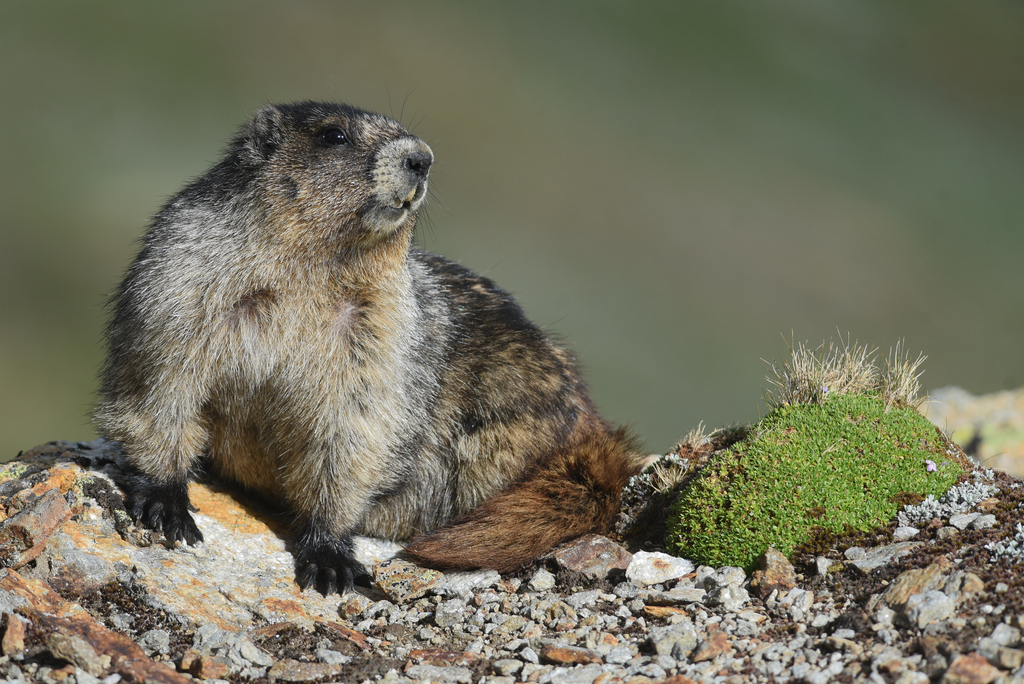
Powerful digging, herbivorous development, seasonal physiology and release-site planning.
no rights reserved · CC0 ↗OPEN RESCUE GUIDE →
Colonial social needs, grazing biology, disease considerations and site-appropriate group release.
© Greg Lasley, some rights reserved (CC BY-NC) · CC BY-NC ↗OPEN RESCUE GUIDE →Separating these paths reduces one of the biggest risks in wildlife information: applying a correct fact in the wrong context.
Reunification, stabilization, development and pre-release conditioning are organized around getting a wild animal back to appropriate habitat whenever that is possible.
Nutrition, enclosure, enrichment, social structure, veterinary planning and seasonal management matter over months and years, not just the first days of care.
Possession, rehabilitation, transport, permanent care and exhibition can be regulated differently. Current official authorities should be checked before assuming a rule applies.
The Source Standard explains why wildlife hospitals, agencies, veterinary references and professional rehabilitation organizations are prioritized for practical guidance.
Rescue and husbandry material is cross-checked against wildlife hospitals, professional rehabilitation organizations, veterinary references, government agencies and peer-reviewed literature. Image credits stay attached to the photographs used on the site.