
- A woodchuck-specific care reference uses powdered Esbilac puppy milk replacer, mixed fresh enough to remain hygienic and refrigerated between uses.
- Use an oral syringe that lets you control flow precisely; smaller syringes provide better control for tiny kits.
- Warm formula to approximately body temperature, not hot.
- Feed with the animal belly-down/upright in a natural nursing posture — never on its back.
- Do not use cow’s milk or human infant formula as substitutes.
AT A GLANCEDo these things before moving on
Feed belly-down/upright in a natural nursing posture, never on the back.
Use a small syringe and control the plunger; never flood the mouth.
Weigh in grams and use the feeding calculator below; do not guess volume from age or appearance alone.
FEEDING GUIDE CALCULATOR
Marmot & Woodchuck Feeding Calculator
Enter the baby’s current weight in grams. This calculates a conservative 5% stomach-capacity check to use alongside the woodchuck age-and-development feeding table on this page.
BEFORE USING THE NUMBER
The animal should already be warm, rehydrated or clearly improving, alert enough to swallow, and breathing normally. This calculator is for formula volume per feeding — not hydration fluid and not a daily total.
CALCULATED FOR g
Woodchucks have published age-based feeding amounts that can differ from a simple percentage calculation. Use this number to catch obvious overfeeding risk, then compare it with the age/development table and the animal’s actual digestion, stool, abdomen and weight trend.
Stop feeding immediately if formula appears at the nose, swallowing becomes abnormal, breathing becomes noisy/clicking, or the abdomen becomes tight. Do not round the calculator upward just to empty a syringe.
VISUAL GUIDE
See the important points for this stage
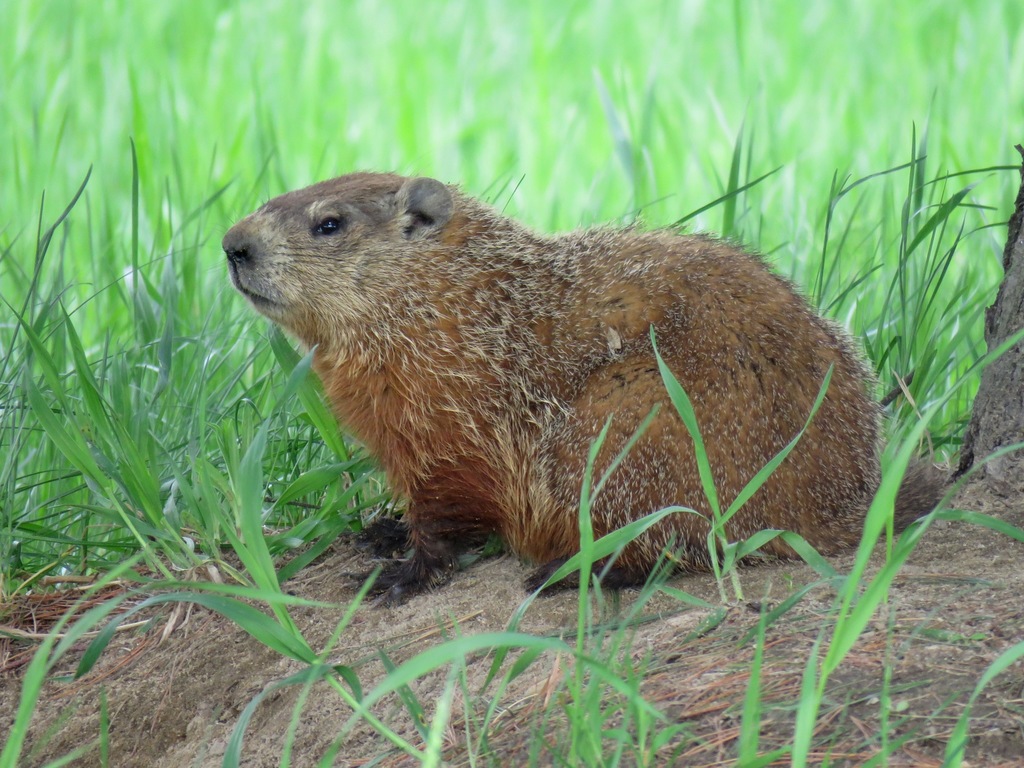
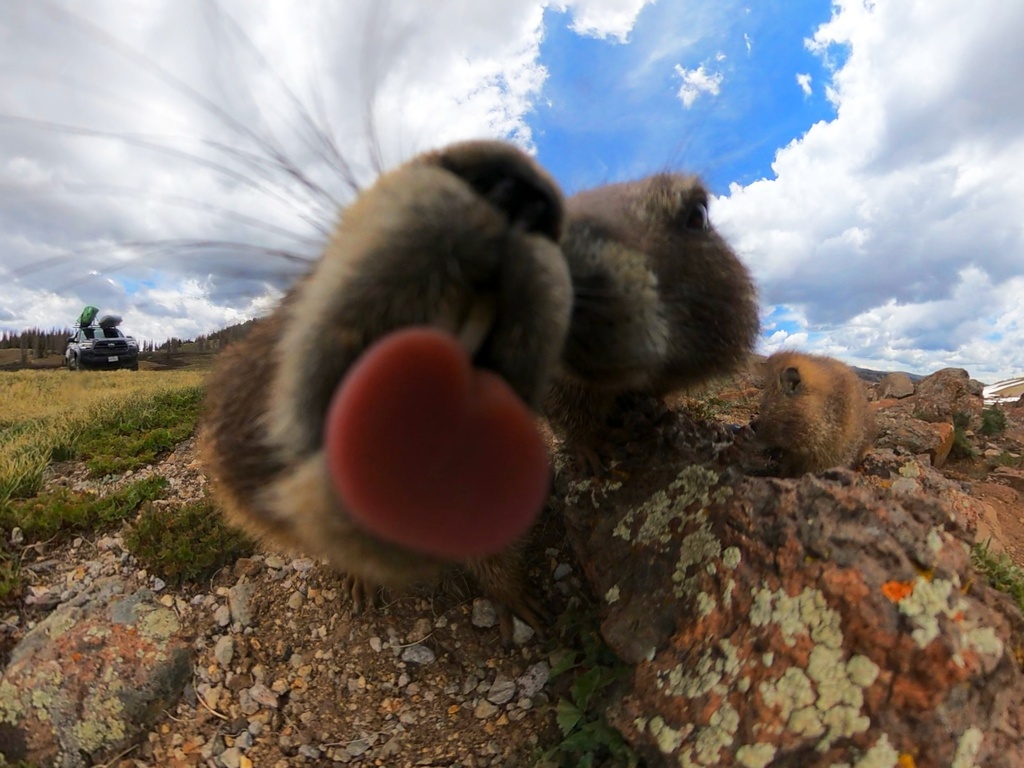
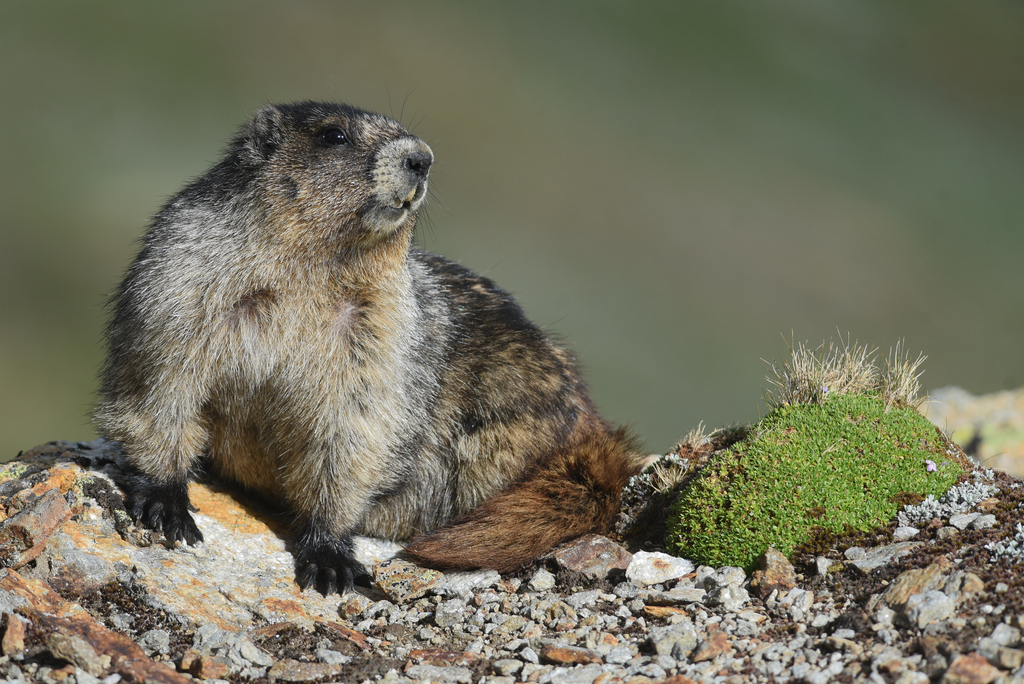
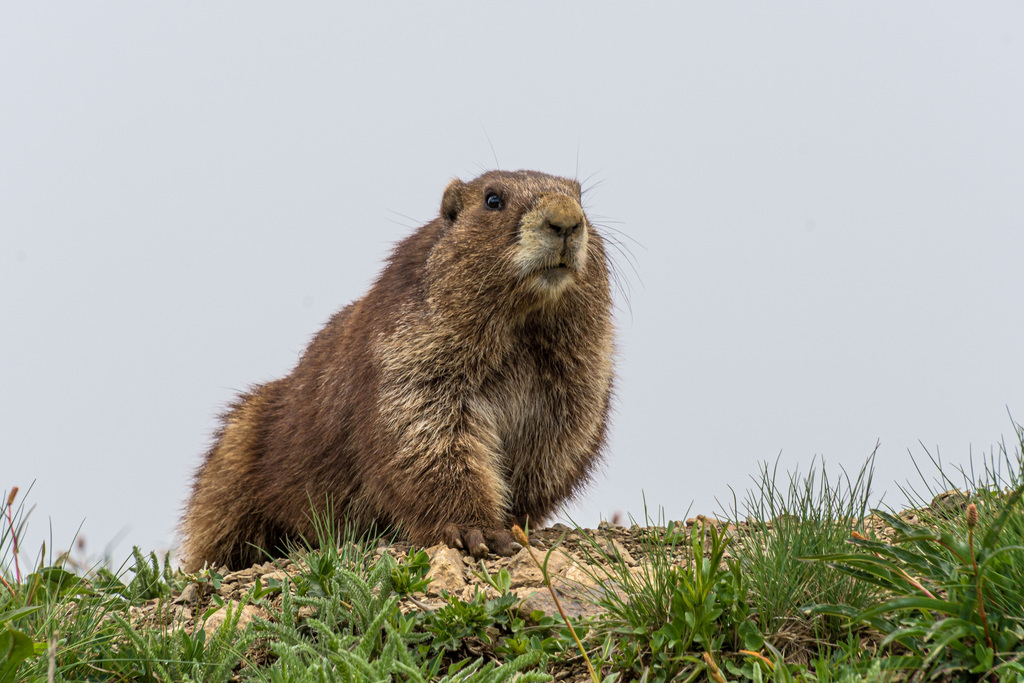
WOODCHUCK FEEDING NUMBERS ARE NOT UNIVERSAL MARMOT NUMBERS
The schedule below comes from a woodchuck-specific rehabilitation reference. Use weight, hydration, digestion, species and veterinary/rehabilitator guidance to adjust; never force a kit to finish a charted amount.
1. Formula and equipment
2. Published woodchuck schedule example
| Approximate age | Typical development | Formula reference |
|---|---|---|
| ~1 week | Eyes closed; skin becoming pigmented | 4–5 mL, 5–6 feeds/day |
| ~2 weeks | Eyes closed; fur coming in; still quite inactive | 6–8 mL, about 5 feeds/day |
| ~3 weeks | Fully furred; eyes closed; beginning to crawl | 8–10 mL, 4 feeds/day |
| ~4 weeks | Eyes begin opening; activity increases | 10–15 mL, 4 feeds/day |
| ~5 weeks | Much more active | 15–20 mL, 4 feeds/day |
| ~6 weeks | Steady on feet; natural weaning age approaches | 25–30 mL, 3 feeds/day while solid intake increases |
| ~7 weeks | Strong juvenile; outdoor transition begins | 35–50 mL, 2 feeds/day only if still needed while eating solids consistently |
| ~8 weeks | Should be consistently self-feeding | Weaned |
Do not treat these volumes as a goal to “get into” the animal. Stop when normal satiety is reached, and reduce/hold feeding if the abdomen becomes tight, digestion slows, stool changes, or aspiration occurs.
3. Feeding technique that reduces aspiration
- Wrap the body securely enough to control sudden lunges, leaving the head in a natural position.
- Touch the syringe/nipple to the lips and let the kit latch; do not squirt toward the throat.
- Advance the plunger only as fast as the animal swallows.
- Watch the nostrils and breathing continuously.
- If formula appears at the nose, stop immediately, allow drainage, keep the head in a safe neutral/slightly downward position and monitor breathing. Persistent coughing, clicking or increased effort requires veterinary evaluation for aspiration pneumonia.
- Clean formula from the face and fur after each feeding.
4. Elimination and common problems
Urination/defecation: young neonates may need gentle perineal stimulation with warm damp tissue before/after feeds until eliminating reliably on their own.
Bloating: commonly follows overfeeding, rapid formula changes, swallowing air or poor digestion. Reduce stress and get experienced guidance rather than adding home remedies.
Diarrhea: pause any recent diet increase, check formula concentration/hygiene and hydration, and seek veterinary guidance if persistent or severe.
Poor weight gain: reassess hydration, intake, parasites, infection, dental/oral problems and species/age estimate instead of simply increasing volume.
Sources
Woodchuck-specific measurements are kept separate from broader marmot guidance because age, social structure, climate and release timing vary across Marmota species.
WOODCHUCK RESCUEWildlife Center of Virginia — If You Find a Baby Woodchuck↗
WOODCHUCK HAND-RAISINGOrphaned Wildlife Care — Woodchuck Care↗
VETERINARY MANUALMerck Veterinary Manual — Care of Orphaned Native Birds and Mammals↗
NATURAL HISTORYMassWildlife — Learn About Woodchucks↗
NATURAL HISTORYU.S. Fish & Wildlife Service — Groundhogs↗
FIND HELPAnimal Help Now — Wildlife Emergency Help↗