


MARMOT & WOODCHUCK RESCUE · STAGE 5

Stage 5 — Eyes Open, Development & Burrow Skills

Shift from incubator-style care toward secure exploration, natural vegetation, digging and age-appropriate independence as the eyes open and mobility accelerates.

AT A GLANCEDo these things before moving on
ESCAPE-PROOFUpgrade housing before climbing, digging or gliding makes the old container unsafe

Upgrade housing before climbing, digging or gliding makes the old container unsafe.

FORMULA + SOLIDSEyes open does not automatically mean weaned

Eyes open does not automatically mean weaned.

WILD SKILLSAdd natural movement, hiding, foraging and species-normal behavior

Add natural movement, hiding, foraging and species-normal behavior.

VISUAL GUIDE

See the important points for this stage

Yellow-bellied Marmot
ESCAPE-PROOFYellow-bellied MarmotUpgrade housing before climbing, digging or gliding makes the old container unsafe.© Nick Ellis, some rights reserved (CC BY-NC) · CC-BY-NC · VIEW SOURCE ↗
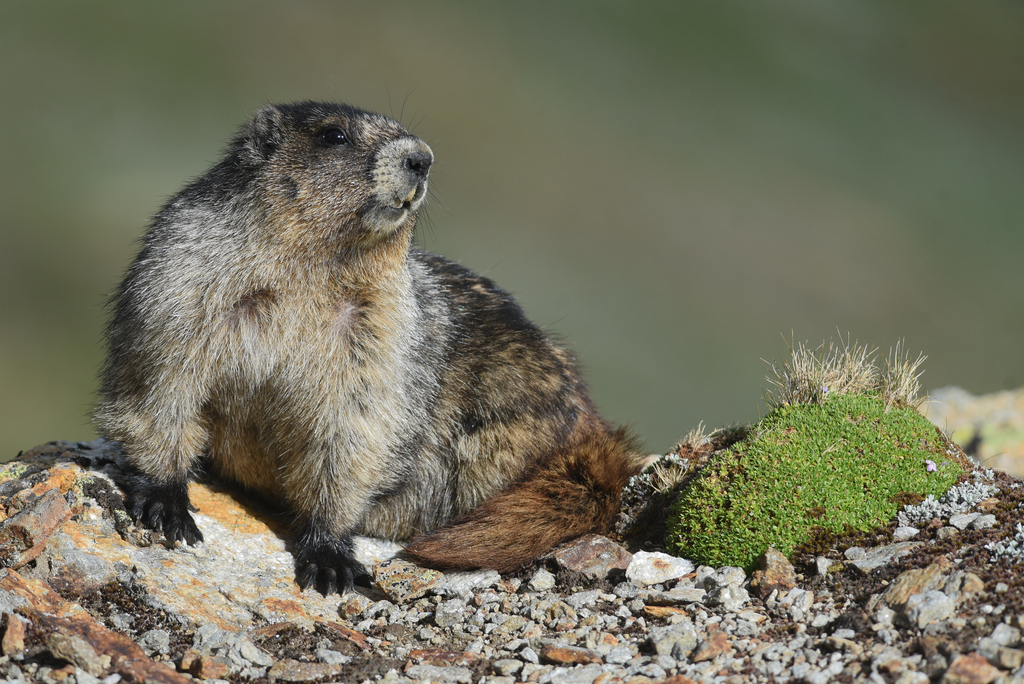
Hoary Marmot
FORMULA + SOLIDSHoary MarmotEyes open does not automatically mean weaned.no rights reserved · CC0 · VIEW SOURCE ↗
Olympic Marmot
WILD SKILLSOlympic MarmotAdd natural movement, hiding, foraging and species-normal behavior.© Radd Icenoggle, some rights reserved (CC BY-NC) · CC-BY-NC · VIEW SOURCE ↗
Woodchuck / Groundhog
LESS HANDLINGWoodchuck / GroundhogReduce unnecessary human contact as independence develops.© Mike Leveille, some rights reserved (CC BY-NC) · CC-BY-NC · VIEW SOURCE ↗
ONCE THE EYES OPEN, DEVELOPMENT MOVES FAST

At roughly four weeks, woodchuck eyes begin opening and the teeth are already well developed. The enclosure now needs to teach the body and brain how to be a ground-dwelling digger — not how to be a household pet.

1. What changes around four to six weeks

~4 WEEKS

Eyes open

Woodchucks are fully furred with developed teeth and become dramatically more active.

5–6 WEEKS

Den-edge activity

Wild young are mobile enough to play and forage near the den and are approaching natural weaning.

10–12 WEEKS

Independence

Wild woodchucks are normally independent by this age, though family association can persist until later dispersal.

2. Upgrade the enclosure before escape teaches the lesson

  • Move from a small carrier into a larger, chew-resistant enclosure before the animal can force the lid or corners.
  • Add an opaque nest box/hide with replaceable dry nesting material.
  • Provide a deep soil/sand digging box or safe substrate area so digging begins before outdoor pre-release.
  • Add heavy untreated branches, roots and safe chew items.
  • Keep the floor dry and provide traction; avoid prolonged housing directly on wire.
  • Place food in multiple locations and under/within natural materials to encourage searching instead of bowl dependence.

3. Begin the natural-food transition

Offer fresh pesticide-free vegetation similar to what the local species uses: grasses, clover, dandelion, plantain and other verified safe leafy browse. Natural greens should be refreshed often rather than allowed to wilt or soil. Keep formula changes gradual while self-feeding increases.

Fruit and garden vegetables can be small variety items, but a releasable marmot should learn to recognize fibrous local forage rather than living on sweet produce.

4. Social development is species-specific

Woodchucks are generally solitary/territorial as adults even though young may remain in family groups for a time. Other marmots can be more social. Do not automatically combine unrelated juveniles or isolate a naturally social species without checking the biology of the exact Marmota.

For every species, minimize affectionate handling, talking and exposure to dogs/cats. Release readiness requires appropriate wariness of people and domestic animals.

Sources

Woodchuck-specific measurements are kept separate from broader marmot guidance because age, social structure, climate and release timing vary across Marmota species.