MARMOT & WOODCHUCK RESCUE · STAGE 3

Stage 3 — Hydration & Emergency Support

Correct mild dehydration conservatively after warming, recognize when oral fluids are unsafe and build a weight-and-output record before formula.

AT A GLANCEDo these things before moving on
WARM FIRSTOral hydration is only appropriate when the animal is warm and swallowing normally

Oral hydration is only appropriate when the animal is warm and swallowing normally.

TINY AMOUNTSUse a small syringe and let the animal swallow each controlled amount

Use a small syringe and let the animal swallow each controlled amount.

WATCHStop if fluid appears at the nose, breathing changes or swallowing becomes abnormal

Stop if fluid appears at the nose, breathing changes or swallowing becomes abnormal.

VISUAL GUIDE

See the important points for this stage

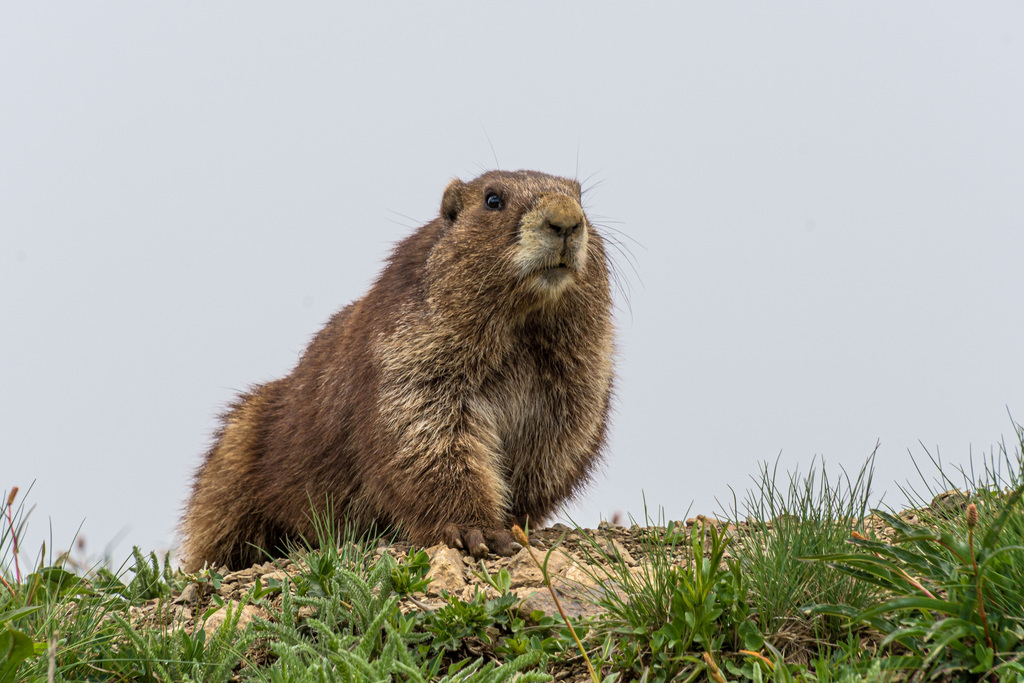
Olympic Marmot
WARM FIRSTOlympic MarmotOral hydration is only appropriate when the animal is warm and swallowing normally.© Radd Icenoggle, some rights reserved (CC BY-NC) · CC-BY-NC · VIEW SOURCE ↗
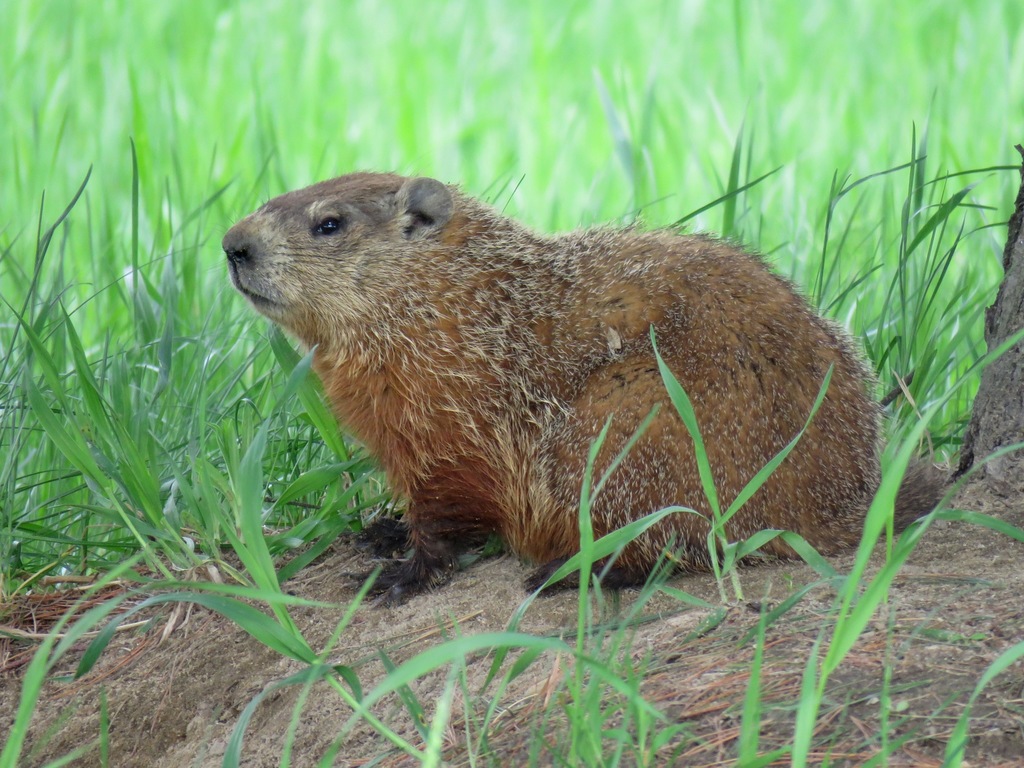
Woodchuck / Groundhog
TINY AMOUNTSWoodchuck / GroundhogUse a small syringe and let the animal swallow each controlled amount.© Mike Leveille, some rights reserved (CC BY-NC) · CC-BY-NC · VIEW SOURCE ↗
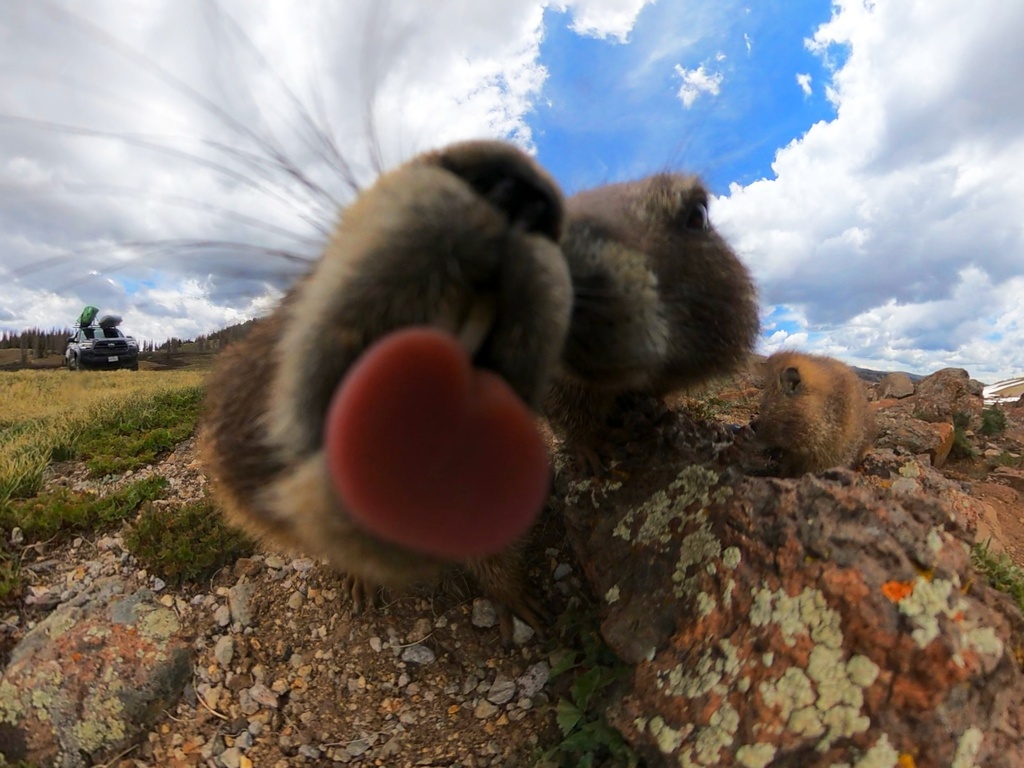
Yellow-bellied Marmot
WATCHYellow-bellied MarmotStop if fluid appears at the nose, breathing changes or swallowing becomes abnormal.© Nick Ellis, some rights reserved (CC BY-NC) · CC-BY-NC · VIEW SOURCE ↗
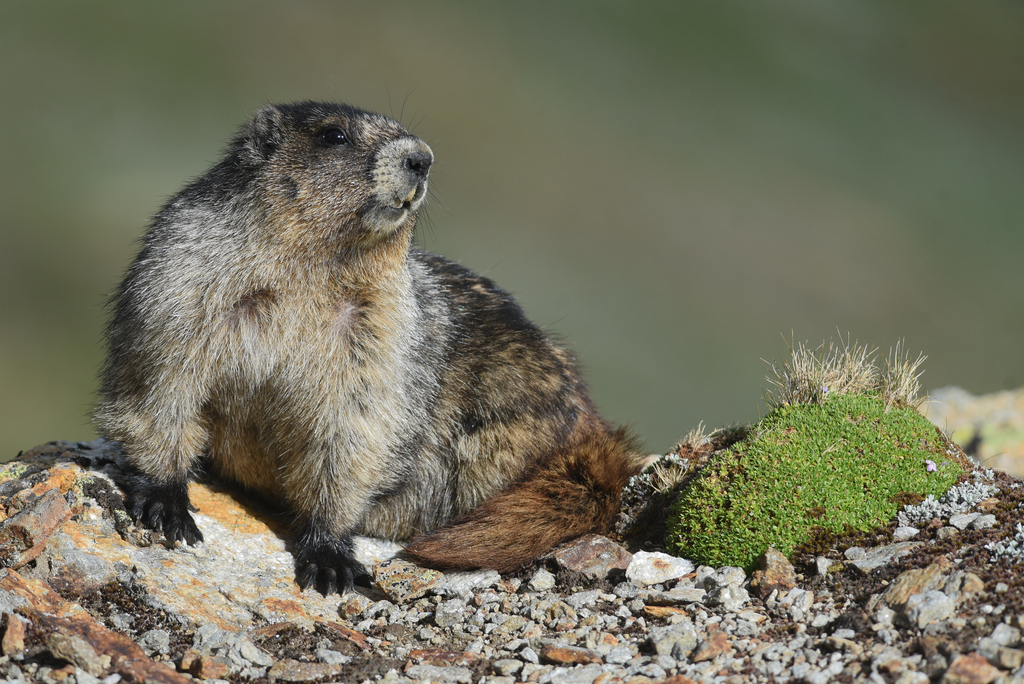
Hoary Marmot
RECORDHoary MarmotTrack weight, urine, behavior and what was actually taken.no rights reserved · CC0 · VIEW SOURCE ↗
HYDRATION IS NOT THE SAME THING AS FEEDING

A dehydrated kit can be hungry and still be unsafe to start on full-strength formula. Warm first, assess swallowing, then restore fluids gradually.

1. Check hydration and stability

  • Dry or tacky mouth tissues
  • Sunken eyes or dull appearance
  • Weakness or poor righting response
  • Very concentrated/scant urine
  • Weight loss compared with prior measurements
  • Skin that returns slowly after a gentle tent test, interpreted cautiously because skin/fur thickness varies

A single sign is not enough by itself. Use the whole animal: temperature, alertness, weight, urine, stool and recent history.

2. Oral hydration sequence for a stable, swallowing infant

  1. Confirm that the animal is warm and swallowing normally.
  2. Use a warmed oral electrolyte solution rather than plain water for initial rehydration.
  3. Offer slowly by syringe from the side/front of the mouth with the animal belly-down or upright — never on its back.
  4. Allow time to swallow each small amount. Stop immediately for coughing, bubbling, fluid from the nose or altered breathing.
  5. Veterinary neonatal guidance transitions from electrolyte solution toward milk replacer gradually — ¼ strength, ½ strength, ¾ strength, then full strength — as digestion and hydration normalize.

3. When oral fluids are not enough

Marked dehydration, shock, severe diarrhea, major trauma, inability to swallow or persistent weakness can require subcutaneous/intravenous/intraosseous fluids, diagnostics and electrolyte correction. Those routes require appropriate training and veterinary or permitted-rehabilitator oversight.

4. Start the written log now

RecordWhy it matters
Weight in grams, same time dailyShows hydration and growth trend better than appetite alone
Each fluid/formula amountPrevents accidental overfeeding and missed feeds
Urine and stoolChanges can warn of dehydration, intolerance or illness
Temperature/behaviorHelps catch deterioration before a single dramatic sign appears

Sources

Woodchuck-specific measurements are kept separate from broader marmot guidance because age, social structure, climate and release timing vary across Marmota species.