
A soft-released flying squirrel may return to the nest box or supplemental food station while learning the release area. That does not automatically mean the release failed. The aim is to give a short safety net without training the squirrel to seek people.
AT A GLANCEDo these things before moving on
Monitor without drawing the animal back into human contact.
Reduce supplemental food/water gradually when a soft-release plan uses it.
Persistent weakness, injury, failure to use shelter or inability to forage may require intervention.
VISUAL GUIDE
See the important points for this stage

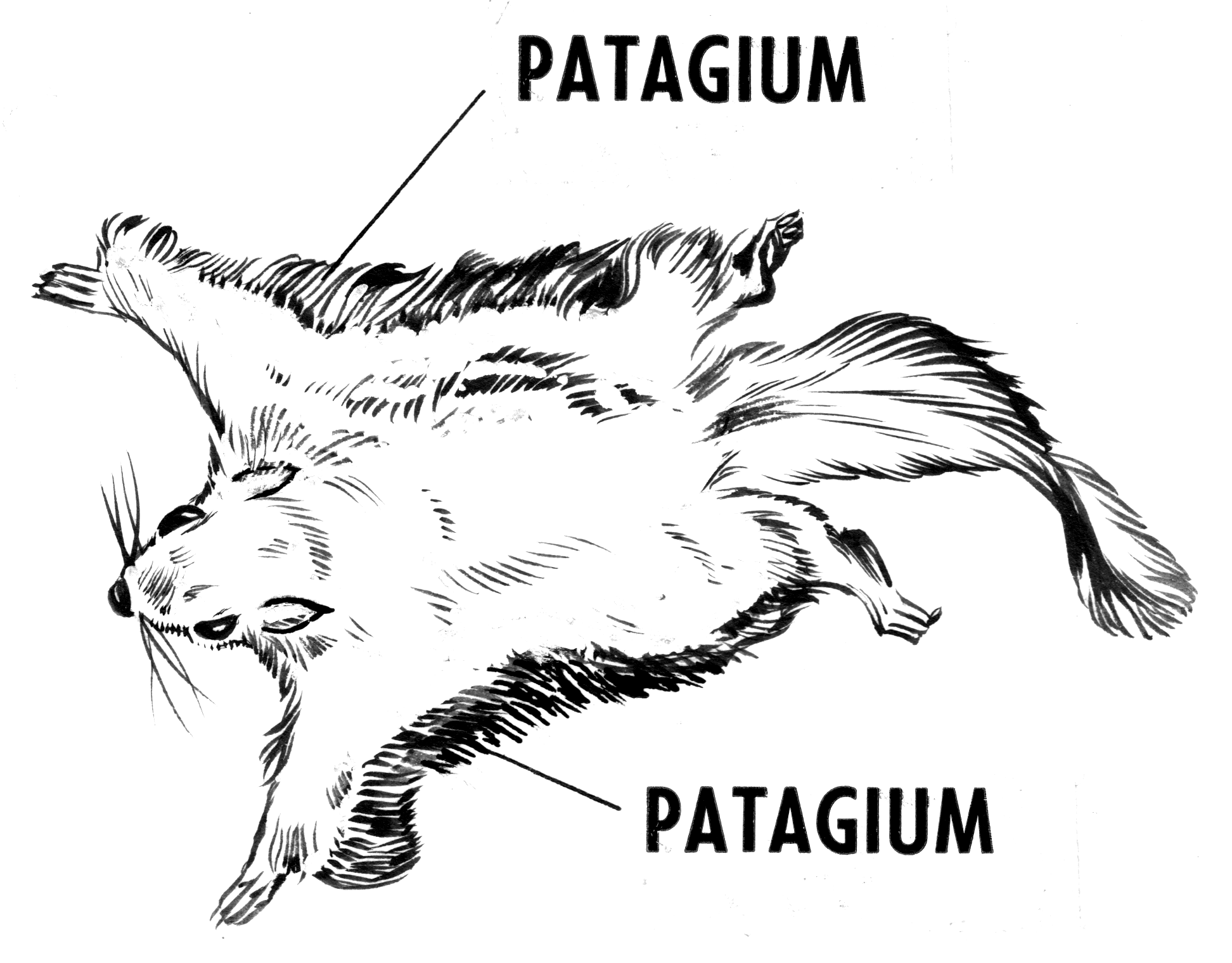


The release is a transition, not a door opening
What successful transition looks like
- Leaves the box voluntarily after dusk and moves through the canopy.
- Uses a widening area and returns less predictably over time.
- Forages/caches natural food and uses natural cover.
- Maintains normal movement, coat and body condition when observed.
- Uses the familiar nest box as an option rather than remaining dependent on the release cage.
- Shows less reliance on supplemental food as natural foraging increases.
- Continues to avoid people rather than approaching for handouts.
Taper support rather than stopping it blindly
Keep the nest box available and offer supplemental food/water at a consistent station during the early transition. As evidence of independent foraging grows, taper the supplemental food. Do not resume hand-feeding, calling the squirrel to you or turning the release site into a pet interaction routine.
When to intervene
REASSESS / RECAPTURE IF SAFE AND AUTHORIZED
A released squirrel that is repeatedly ground-bound, unable to climb/glide normally, visibly injured, severely thin, neurologically abnormal, soaked/chilled without refuge, caught by a pet, or showing progressive respiratory signs needs reassessment. Contact the rehabilitator/wildlife veterinarian and follow local legal requirements before recapture when possible.
Keep the records
Retain the intake location, weights, medical/care notes, release date/site, group information and post-release observations. Those records help evaluate whether the raising and release plan actually produced a functioning wild squirrel and are important if the animal needs to come back into care.
Sources
PRACTICAL BABY CAREHenry’s Pets — Baby Squirrel Care Guide↗
FLYING-SQUIRREL DIETHenry’s Pets — Special Notes for Flying Squirrels↗
REUNIFICATIONTiny Wonders Wildlife Rescue — Flying Squirrels↗
REHABILITATOR RESOURCEOrphaned Wildlife Care — Squirrel Care↗
SPECIES / CONSERVATIONU.S. Fish & Wildlife Service — Carolina Northern Flying Squirrel↗
NATURAL HISTORYSUNY ESF — Southern Flying Squirrel↗
DEVELOPMENT / NATURAL HISTORYNHPBS NatureWorks — Southern Flying Squirrel↗
FIND A REHABBERAnimal Help Now↗
WILDLIFE HOSPITALWildlife Center of Virginia — Baby Squirrel Assessment & Reunification↗REHABILITATION / NATURAL HISTORYWildAgain Wildlife Rehabilitation — Squirrel Natural History in Rehabilitation↗VETERINARY MANUALMerck Veterinary Manual — Care of Orphaned Native Birds and Mammals↗LICENSED REHABILITATORSquirrel Refuge — Squirrel Feeding Amounts↗LICENSED REHABILITATORSquirrel Refuge — Squirrel Feeding Techniques↗