FLYING SQUIRREL RESCUE · STAGE 6

Stage 6 — Juvenile Development & Weaning

Complete the transition to a nutritionally balanced juvenile diet, reduce human contact and build the nocturnal foraging behavior needed for release.

AT A GLANCEDo these things before moving on
SELF-FEEDINGWeaning follows reliable solid intake, weight stability and normal elimination

Weaning follows reliable solid intake, weight stability and normal elimination.

NATURAL DIETBuild the solid-food base around the species’ natural ecology

Build the solid-food base around the species’ natural ecology.

EXERCISEStrength, coordination, climbing/digging/gliding and foraging must develop before release

Strength, coordination, climbing/digging/gliding and foraging must develop before release.

VISUAL GUIDE

See the important points for this stage

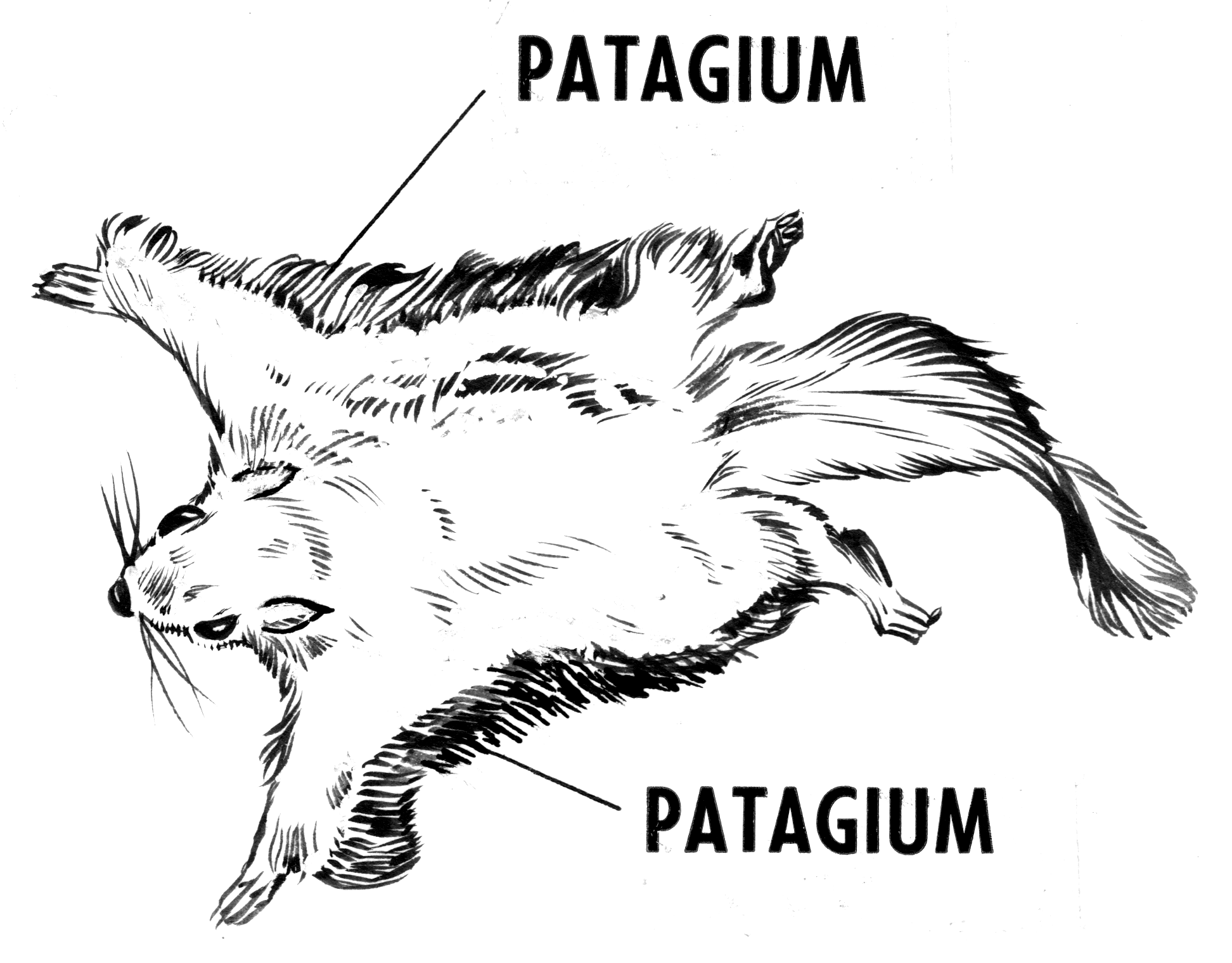
Gliding membrane / patagium
SELF-FEEDINGGliding membrane / patagiumWeaning follows reliable solid intake, weight stability and normal elimination.Public-domain reference · VIEW SOURCE ↗
Southern Flying Squirrel
NATURAL DIETSouthern Flying SquirrelBuild the solid-food base around the species’ natural ecology.U.S. Fish & Wildlife Service · Public domain · VIEW SOURCE ↗
Southern Flying Squirrel
EXERCISESouthern Flying SquirrelStrength, coordination, climbing/digging/gliding and foraging must develop before release.Ken Thomas · Public domain · VIEW SOURCE ↗
Northern Flying Squirrel
NO PET BEHAVIORNorthern Flying SquirrelHuman dependence makes a releasable animal less prepared for the wild.Bob Cherry / National Park Service · Public domain · VIEW SOURCE ↗

Weaning is a transition, not a deadline

Reduce formula only as the juvenile reliably eats a balanced diet and maintains weight. A flyer that nibbles a favorite nut is not necessarily weaned.

1 · Balanced base: nutritionally complete squirrel/rodent blocks.
2 · Vegetables / safe browse: variety rather than one favorite item.
3 · Protein: insects and other appropriate plain protein sources are important for flying squirrels.
4 · Wild foods: introduce locally appropriate natural foods so release foods are familiar.
5 · Limited treats: nuts and fruit should not displace the balanced diet.
6 · Fresh water: always available once the animal uses a dish/bottle safely.

Signs the transition is working

  • Weight is stable or increasing appropriately as formula decreases.
  • Normal urine and well-formed stool.
  • The juvenile eats the balanced foods, not only the richest treats.
  • Strong climbing, normal grooming and good coat condition.
  • Regular nocturnal activity with restful daytime nesting.
  • Healthy body condition without a distended abdomen or prominent bones.

Wild up now, not the week before release

Human interaction should be decreasing sharply. Feed and clean efficiently, avoid carrying the squirrel around for entertainment, and stop rewarding approach to people. Give branches, bark, safe natural nesting material, hidden food and problem-solving opportunities. The next stage depends on a squirrel that is physically confident and increasingly uninterested in humans.

Calcium/protein imbalance matters

Flying squirrels are vulnerable to nutritional disease when fed an unbalanced captive diet. Avoid building the juvenile diet around peanuts, sunflower seeds or mixed nuts. A sound rehabilitation diet must supply appropriate calcium, vitamins, minerals and protein while natural foods are added for release preparation.

Sources