FLYING SQUIRREL RESCUE · STAGE 5

Stage 5 — Eyes Open, Development & Social Needs

Transition from neonatal care into escape-proof developmental housing, species-appropriate social contact and a balanced solid-food foundation without forcing weaning.

AT A GLANCEDo these things before moving on
ESCAPE-PROOFUpgrade housing before climbing, digging or gliding makes the old container unsafe

Upgrade housing before climbing, digging or gliding makes the old container unsafe.

FORMULA + SOLIDSEyes open does not automatically mean weaned

Eyes open does not automatically mean weaned.

WILD SKILLSAdd natural movement, hiding, foraging and species-normal behavior

Add natural movement, hiding, foraging and species-normal behavior.

VISUAL GUIDE

See the important points for this stage

Northern Flying Squirrel
ESCAPE-PROOFNorthern Flying SquirrelUpgrade housing before climbing, digging or gliding makes the old container unsafe.Bob Cherry / National Park Service · Public domain · VIEW SOURCE ↗
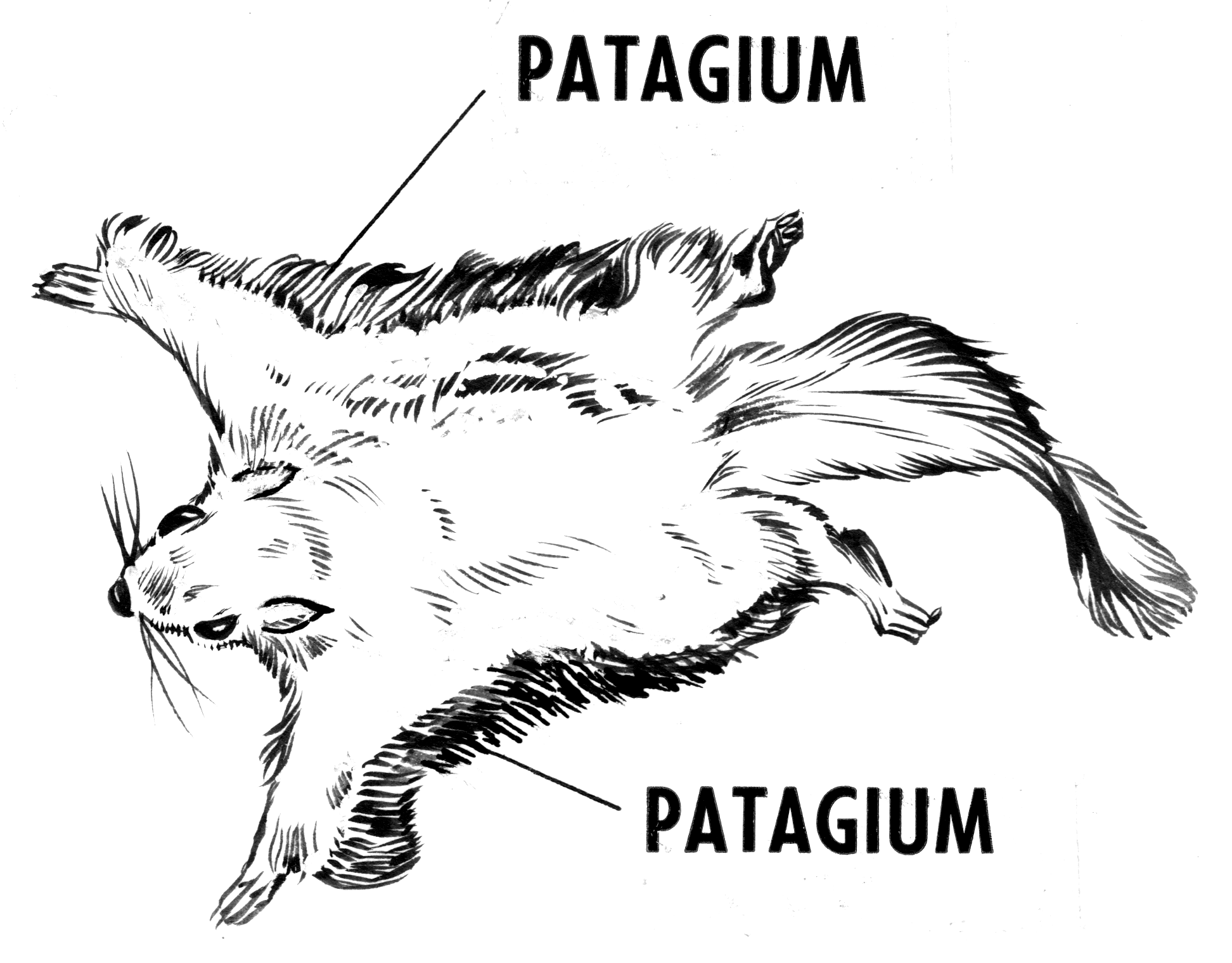
Gliding membrane / patagium
FORMULA + SOLIDSGliding membrane / patagiumEyes open does not automatically mean weaned.Public-domain reference · VIEW SOURCE ↗
Southern Flying Squirrel
WILD SKILLSSouthern Flying SquirrelAdd natural movement, hiding, foraging and species-normal behavior.U.S. Fish & Wildlife Service · Public domain · VIEW SOURCE ↗
Southern Flying Squirrel
LESS HANDLINGSouthern Flying SquirrelReduce unnecessary human contact as independence develops.Ken Thomas · Public domain · VIEW SOURCE ↗

Around eye opening, the job changes

Southern flying-squirrel eyes commonly open at roughly four weeks. Once vision and mobility arrive, the baby can climb, squeeze through gaps and launch unexpectedly. Upgrade housing before the first escape.

  • Escape-proof enclosure with very small safe gaps
  • Natural branches and climbing surfaces at initially modest heights
  • Soft landing areas while coordination develops
  • Dark nest pouch/box and quiet daytime rest
  • Night-centered activity opportunities
  • Daily weight and intake records continue

Social needs — raise a flying squirrel as a flying squirrel

Flying squirrels are more social than mature tree squirrels and may use communal nests. Keep healthy siblings together. When a permitted rehabilitator has compatible same-species animals, carefully managed introductions can provide species behavior that a human cannot teach.

DO NOT MIX UNKNOWN ANIMALS CASUALLY

Social housing does not erase quarantine, parasite, injury or disease concerns. New wildlife should not be combined simply because both animals look lonely.

Begin an appropriate solid-food foundation

Offer solids while formula remains available. The goal is not to replace milk with nuts. Use a nutritionally balanced squirrel/rodent block as the dependable base, then species-appropriate vegetables and wild browse, plus protein/insect foods suitable for flyers. Fruit and nuts can be limited enrichment/foods rather than the nutritional foundation.

Flying squirrels have higher protein needs than a nut-heavy stereotype suggests. Flyer-specific guidance includes insects and other plain animal-protein sources. A diet based on nuts/seeds alone creates serious nutrient imbalance risk.

Do not force weaning by one age

Southern flying-squirrel weaning age varies across references and individuals. Watch the animal rather than forcing a single calendar deadline. Formula reduction should follow reliable solid intake, normal stool, stable hydration and continuing growth—not a date on the calendar.

Sources