
Experienced flying-squirrel rehabilitation guidance recommends not releasing before at least 18 weeks of age, and weather/season can make overwintering appropriate. Age is only one gate. Health, body condition, wild behavior, glide performance, habitat, legal status and seasonal conditions all must be acceptable.
AT A GLANCEDo these things before moving on
Return to appropriate habitat and, when possible, the correct territory/colony area.
Weather, food, dormancy and species biology can change release timing.
Use acclimation and temporary support when the species and situation call for it.
VISUAL GUIDE
See the important points for this stage



LEGAL / SPECIES CHECK BEFORE LONG-TERM CARE
Wildlife-rehabilitation and possession rules vary by state, province and species. Temporary first aid does not automatically authorize long-term rehabilitation or possession. Check the SQRLFather legal guide and your wildlife agency. In the southern Appalachians, an uncertain high-elevation northern flying squirrel may be the federally endangered Carolina northern flying squirrel; do not treat a questionable identification as an ordinary Southern flying squirrel.
VISUAL REFERENCE
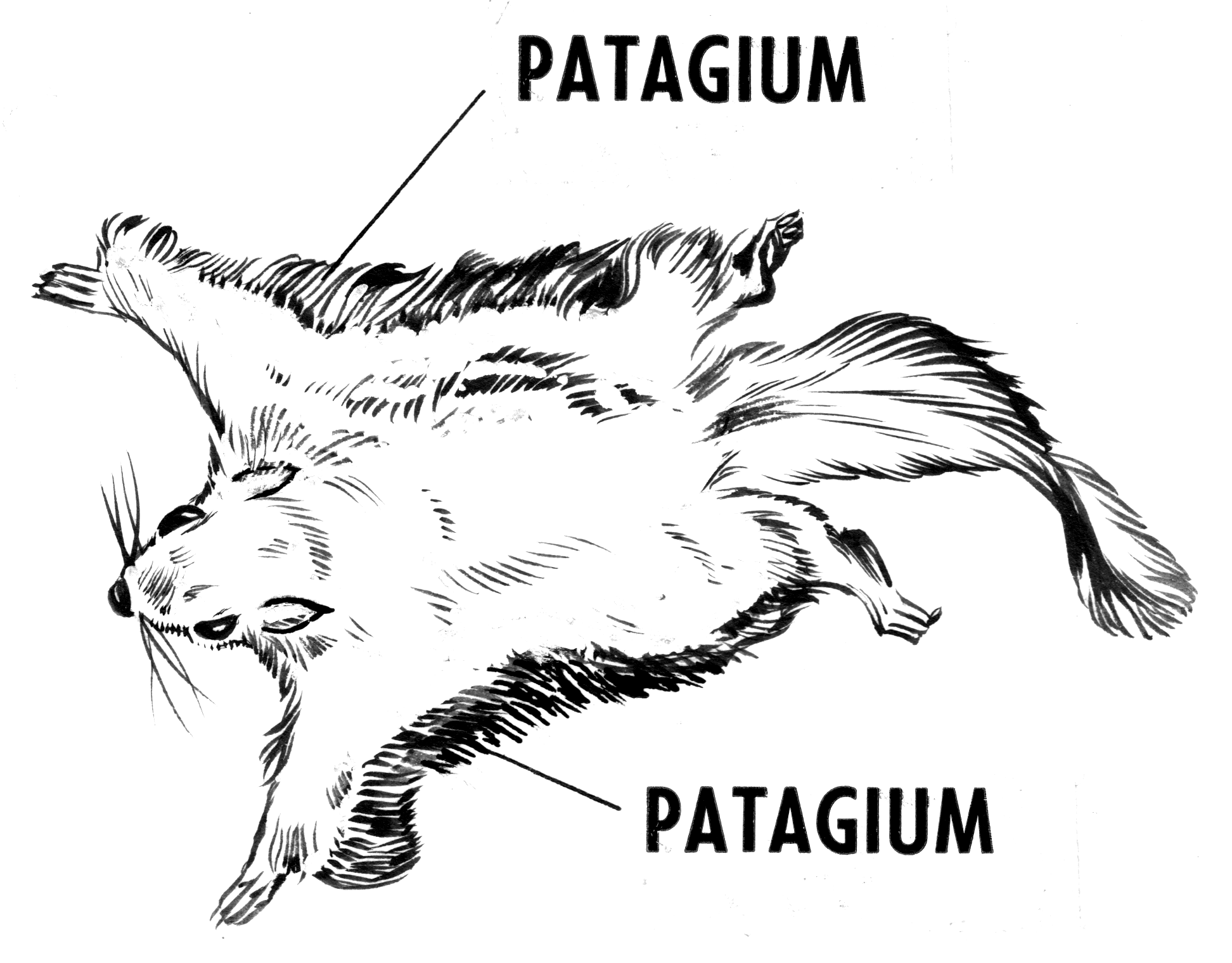
Release means returning a nocturnal glider to the correct habitat

Do not release because the squirrel looks adult-sized
Choose the release site deliberately
- Within native range and as close to the original find area as is safe and legally appropriate.
- Mature, connected trees with cavities/nest opportunities and enough canopy structure for gliding.
- Appropriate natural food resources for the species.
- Evidence of local flying-squirrel habitat/population when possible.
- As little road, free-roaming cat and other avoidable human hazard exposure as practical.
- Permission from the landowner/manager and compliance with wildlife-agency requirements.
- For possible Carolina northern flying squirrels or other protected populations, agency direction overrides a generic release plan.
Soft release at dusk
- Move the familiar pre-release/nest box to the final site as part of the acclimation plan.
- Allow time for the animal to settle into the site and local sounds/smells.
- Open the release access at dusk/evening, when a flying squirrel naturally becomes active.
- Let the squirrel leave on its own. Do not toss it into a tree or force a “practice flight.”
- Leave the familiar nest box available as a refuge.
- Provide temporary supplemental food and water at the release station while the squirrel transitions.
Final release checklist
Species/legal status confirmed well enough for this release.
At least ~18 weeks old and developmentally mature; older if season/weather/individual development requires it.
Stable weight and no active medical problem.
Excellent climbing plus repeatable, controlled gliding and landings.
Eating a balanced solid diet and natural foods without formula dependence.
Strong nocturnal behavior and low interest in humans.
Correct habitat, familiar nest box, soft-release support plan and post-release monitoring plan.
Sources
PRACTICAL BABY CAREHenry’s Pets — Baby Squirrel Care Guide↗
FLYING-SQUIRREL DIETHenry’s Pets — Special Notes for Flying Squirrels↗
REUNIFICATIONTiny Wonders Wildlife Rescue — Flying Squirrels↗
REHABILITATOR RESOURCEOrphaned Wildlife Care — Squirrel Care↗
SPECIES / CONSERVATIONU.S. Fish & Wildlife Service — Carolina Northern Flying Squirrel↗
NATURAL HISTORYSUNY ESF — Southern Flying Squirrel↗
DEVELOPMENT / NATURAL HISTORYNHPBS NatureWorks — Southern Flying Squirrel↗
FIND A REHABBERAnimal Help Now↗
WILDLIFE HOSPITALWildlife Center of Virginia — Baby Squirrel Assessment & Reunification↗REHABILITATION / NATURAL HISTORYWildAgain Wildlife Rehabilitation — Squirrel Natural History in Rehabilitation↗VETERINARY MANUALMerck Veterinary Manual — Care of Orphaned Native Birds and Mammals↗LICENSED REHABILITATORSquirrel Refuge — Squirrel Feeding Amounts↗LICENSED REHABILITATORSquirrel Refuge — Squirrel Feeding Techniques↗