
A cold baby should be warmed before oral fluids. Once warm and able to swallow normally, hydration can be corrected gradually before routine formula. Severe dehydration, shock or an animal that cannot safely swallow may require professional subcutaneous or other fluid therapy instead of repeated oral attempts.
AT A GLANCEDo these things before moving on
Oral hydration is only appropriate when the animal is warm and swallowing normally.
Use a small syringe and let the animal swallow each controlled amount.
Stop if fluid appears at the nose, breathing changes or swallowing becomes abnormal.
VISUAL GUIDE
See the important points for this stage


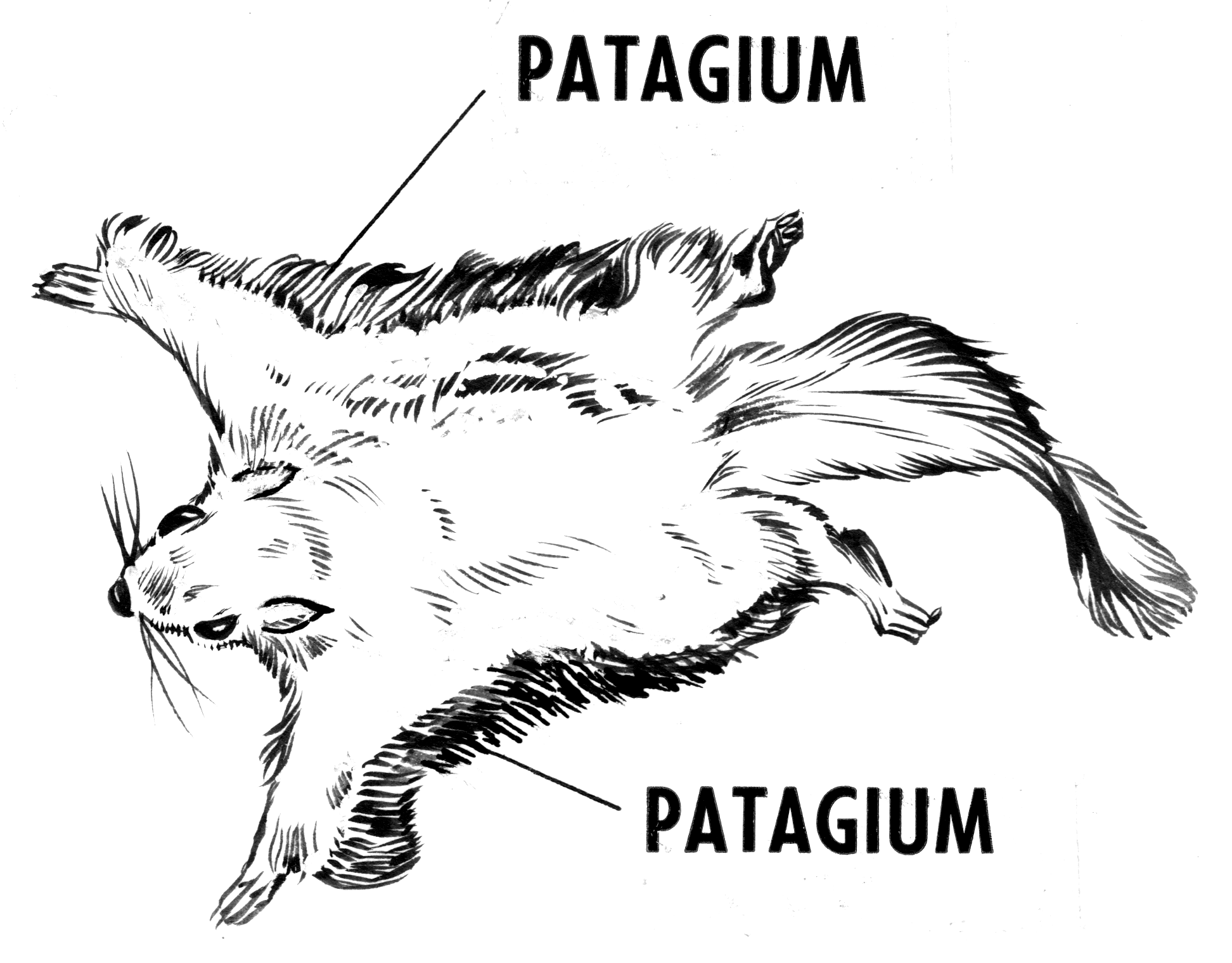
Hydration comes before routine formula when the baby is dehydrated
A simple temporary oral hydration option
TEMPORARY ORAL HYDRATION OPTION
1 cup warm water + 1 tablespoon plain sugar, molasses or agave
Use only as a short-term hydration aid, not as food and not mixed into formula. Henry’s current guide also discusses plain infant oral electrolyte solution. Avoid artificially sweetened products.
Wildlife-care sources differ on homemade electrolyte recipes and commercial-electrolyte dilution. Use one simple temporary hydration method and do not combine multiple homemade electrolyte recipes.
How to offer fluid safely
- Warm the baby first.
- Use a 1 mL syringe for a tiny flyer.
- Hold the animal upright or semi-upright — never flat on its back.
- Place a tiny drop at the lips and let the animal swallow; do not squirt into the mouth.
- Pause frequently. Tiny animals can aspirate quickly.
- If fluid bubbles from the nose, coughing/clicking develops or swallowing becomes abnormal, stop oral feeding and seek urgent help.
What you are monitoring
Urine: very dark/scant urine can support a dehydration concern; trend toward normal output matters.
Mouth/tissues: tacky/dry tissues and poor responsiveness are concerning.
Weight: record the baseline, but do not try to “fix” a low number with oversized feeds.
Temperature/activity: a baby that becomes colder, weaker or less able to swallow is not a candidate for more aggressive oral fluid.
Sources
PRACTICAL BABY CAREHenry’s Pets — Baby Squirrel Care Guide↗
FLYING-SQUIRREL DIETHenry’s Pets — Special Notes for Flying Squirrels↗
REUNIFICATIONTiny Wonders Wildlife Rescue — Flying Squirrels↗
REHABILITATOR RESOURCEOrphaned Wildlife Care — Squirrel Care↗
SPECIES / CONSERVATIONU.S. Fish & Wildlife Service — Carolina Northern Flying Squirrel↗
NATURAL HISTORYSUNY ESF — Southern Flying Squirrel↗
DEVELOPMENT / NATURAL HISTORYNHPBS NatureWorks — Southern Flying Squirrel↗
FIND A REHABBERAnimal Help Now↗
WILDLIFE HOSPITALWildlife Center of Virginia — Baby Squirrel Assessment & Reunification↗REHABILITATION / NATURAL HISTORYWildAgain Wildlife Rehabilitation — Squirrel Natural History in Rehabilitation↗VETERINARY MANUALMerck Veterinary Manual — Care of Orphaned Native Birds and Mammals↗LICENSED REHABILITATORSquirrel Refuge — Squirrel Feeding Amounts↗LICENSED REHABILITATORSquirrel Refuge — Squirrel Feeding Techniques↗