FLYING SQUIRREL RESCUE · STAGE 2

Stage 2 — Immediate Stabilization & Warmth

Stabilize temperature, containment and stress before offering routine formula, while identifying injuries or conditions that need urgent professional treatment.

AT A GLANCEDo these things before moving on
WARMTHUse gentle indirect heat with room to move away from the warm side

Use gentle indirect heat with room to move away from the warm side.

QUIETUse a secure, dark, quiet container and minimize handling

Use a secure, dark, quiet container and minimize handling.

TRIAGECheck breathing, movement, injuries, parasites and responsiveness before oral care

Check breathing, movement, injuries, parasites and responsiveness before oral care.

VISUAL GUIDE

See the important points for this stage

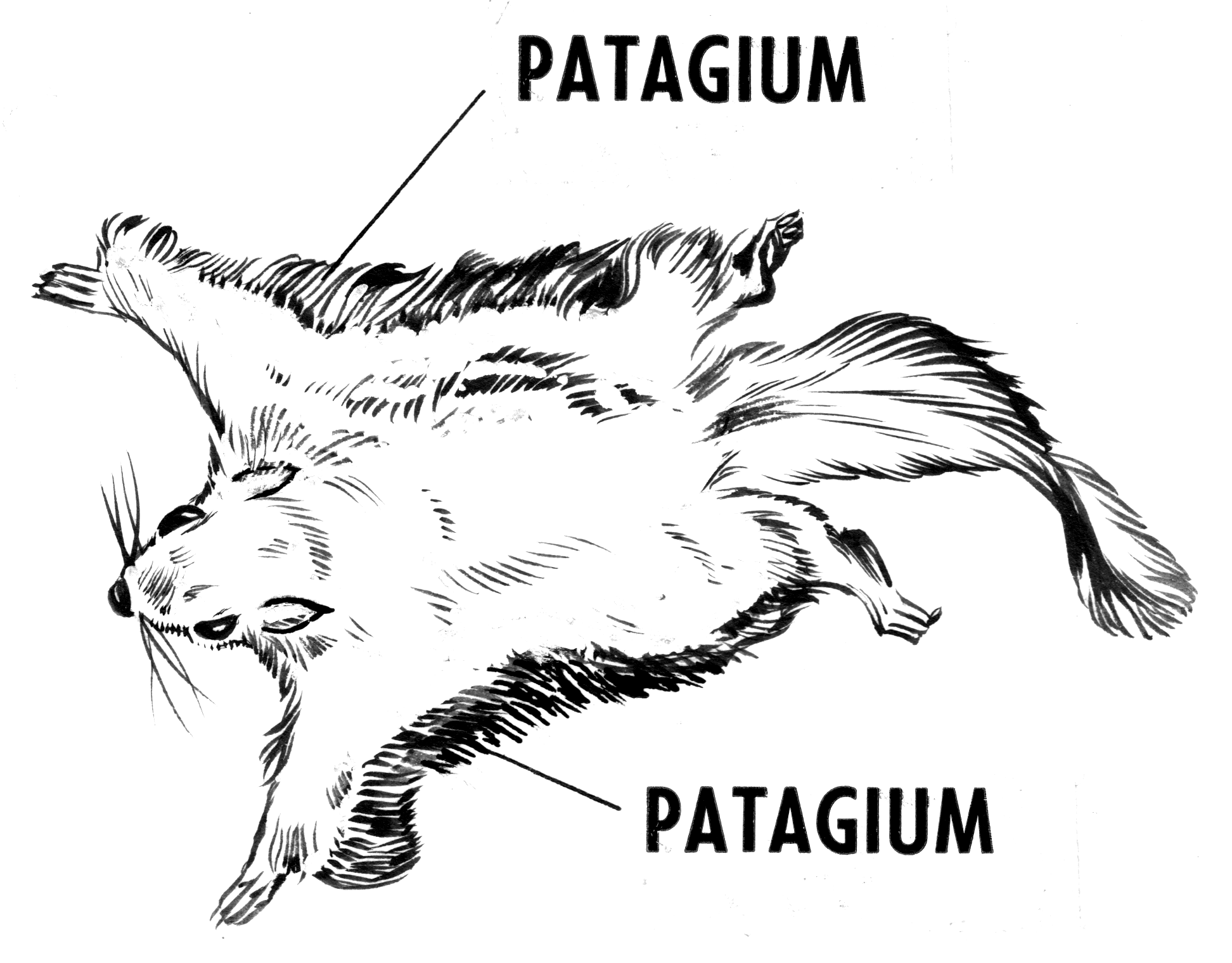
Gliding membrane / patagium
WARMTHGliding membrane / patagiumUse gentle indirect heat with room to move away from the warm side.Public-domain reference · VIEW SOURCE ↗
Southern Flying Squirrel
QUIETSouthern Flying SquirrelUse a secure, dark, quiet container and minimize handling.U.S. Fish & Wildlife Service · Public domain · VIEW SOURCE ↗
Southern Flying Squirrel
TRIAGESouthern Flying SquirrelCheck breathing, movement, injuries, parasites and responsiveness before oral care.Ken Thomas · Public domain · VIEW SOURCE ↗
Northern Flying Squirrel
NO RUSHNorthern Flying SquirrelA cold or unstable baby should not be pushed into routine feeding.Bob Cherry / National Park Service · Public domain · VIEW SOURCE ↗
VISUAL REFERENCE

Safe containment and the animal you are stabilizing

Southern Flying Squirrel
Southern Flying SquirrelA second real-world view useful for body shape and coat comparison.Ken Thomas · Public domain · VIEW SOURCE ↗

The order is contain → warm → quiet → reassess

Do not make formula the first intervention. A cold, shocked or badly compromised infant needs stabilization first.

  1. Container: use a secure ventilated plastic tub/carrier with a fitted lid. Flying squirrels can pass through surprisingly small gaps.
  2. Bedding: fleece, flannel or smooth T-shirt material; avoid towels/loose loops that can catch tiny nails.
  3. Heat: place a low, controlled heat source under only about half of the container so the animal can move away. Do not place the squirrel directly on a hot surface and do not use an exposed heat lamp.
  4. Environment: dark, quiet and away from children, pets, television and repeated handling.
  5. Reassess: once warm, recheck breathing, hydration, responsiveness, injuries and weight.

Basic equipment if care must continue

MEASURE

Gram scale

Weigh at the same time each day and before calculating a feed.

CONTROL

1 mL O-ring syringe

Tiny flyers need fine control. A large syringe can deliver too much too quickly.

LOG

Written record

Weight, feed volume/time, urine, stool, hydration and behavior.

Red flags that change this from home care to urgent professional care

  • Cat or dog bite/mouth contact, even when punctures look small
  • Open wound, fracture, inability to use a limb or uncontrolled bleeding
  • Fly eggs, maggots or severe parasite burden
  • Clicking, wheezing, open-mouth breathing or fluid/formula from the nose
  • Seizure, head tilt, circling, profound weakness or inability to swallow
  • Severe emaciation or dehydration that is not correcting
  • Possible protected/endangered species identification

Do not give home antibiotic, antiparasitic or insecticide doses to a tiny flying squirrel without a wildlife veterinarian or permitted rehabilitator directing the exact product and dose.

Sources