
For a locally rescued juvenile, the original town preserves familiar habitat, local genetics and the best chance of reconnecting with the correct social neighborhood. Return there only when the site remains occupied, legally usable and free from the event that caused the rescue.
AT A GLANCEDo these things before moving on
Return to appropriate habitat and, when possible, the correct territory/colony area.
Weather, food, dormancy and species biology can change release timing.
Use acclimation and temporary support when the species and situation call for it.
VISUAL GUIDE
See the important points for this stage
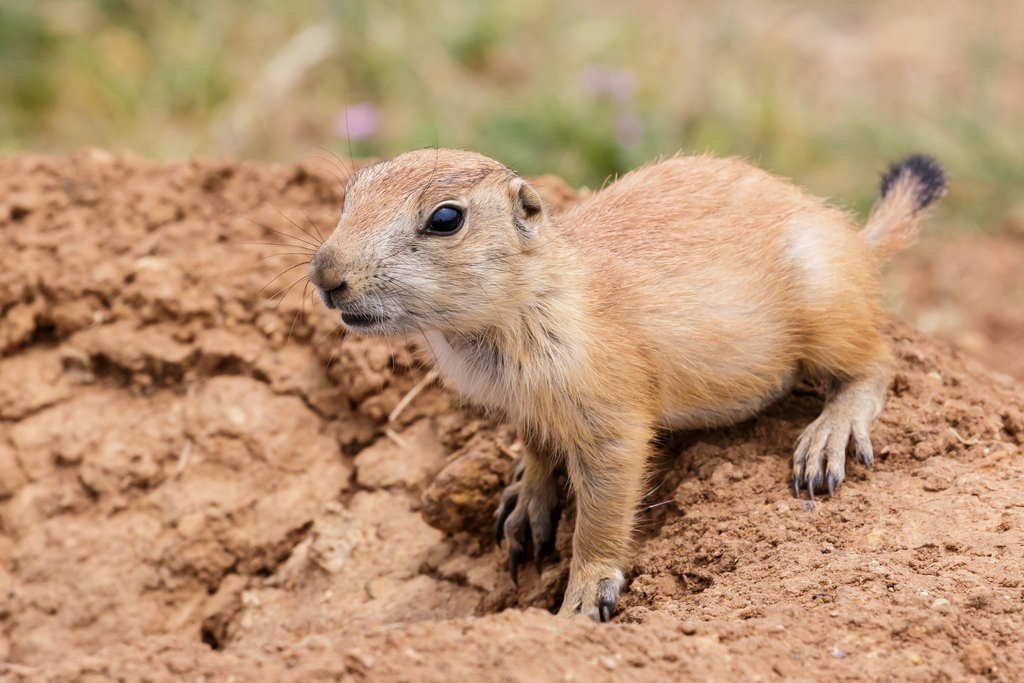


DO NOT RELEASE A LONE HAND-RAISED PRAIRIE DOG INTO A RANDOM TOWN
Prairie-dog coteries defend territories, and moving animals between towns can spread disease or place the animal where it has no accepted social group or safe burrow. Release and translocation should be coordinated with wildlife professionals and the landowner/agency responsible for the site.
1. Start with the original colony when it is still safe
2. Colony and disease gate
- Do not release where prairie dogs have recently died suddenly or where a plague event is suspected.
- Do not combine animals from distant colonies without professional disease planning.
- Use same-species cohorts when group release is appropriate.
- Coordinate with the landowner and wildlife agency/rehabilitator; prairie-dog relocation is regulated differently among states and species.
- Utah prairie dogs and Mexican prairie dogs have federal conservation status that makes agency coordination especially important.
3. Match the season to the species
Black-tailed prairie dog: does not undergo true hibernation; winter activity can continue when weather allows.
White-tailed, Gunnison’s and Utah prairie dogs: have stronger seasonal dormancy/hibernation. Late-season release can leave a juvenile without enough time to establish shelter and body condition.
Mexican prairie dog: use local conservation authority and species-specific guidance rather than applying a U.S. Great Plains calendar.
4. Soft-release setup
- Use an approved site with appropriate short-grass/forb habitat and diggable soil.
- Whenever possible, acclimate the cohort at the destination before final release.
- Provide a secure starter/artificial burrow or access to prepared burrow structure as directed by the release plan.
- Open the enclosure during stable weather and allow voluntary emergence.
- Keep supplemental forage/water available only as the release plan calls for, then taper support as natural foraging and burrow use become established.
- Observe from long distance; do not call the animals back or hand-feed them.
Sources
RELEASE / TRANSLOCATIONU.S. Fish & Wildlife Service — Prairie Dog Restoration↗SPECIES / LEGALU.S. Fish & Wildlife Service — Utah Prairie Dog↗SPECIES / LEGALU.S. Fish & Wildlife Service — Mexican Prairie Dog↗NATURAL HISTORYNational Park Service — Prairie Dogs↗SOCIAL / NATURAL HISTORYNational Park Service — Black-tailed Prairie Dog↗PUBLIC HEALTHCDC — How Plague Spreads↗FIND HELPAnimal Help Now — Wildlife Emergency Help↗