PRAIRIE DOG RESCUE · STAGE 4

Stage 4 — Formula, Feeding & Complications

Formula is the bridge between stabilization and self-feeding. The goals are controlled intake, steady growth, clean technique and a gradual move toward grasses and high-fiber foods.

AT A GLANCEDo these things before moving on
POSITIONFeed belly-down/upright in a natural nursing posture, never on the back

Feed belly-down/upright in a natural nursing posture, never on the back.

CONTROLUse a small syringe and control the plunger; never flood the mouth

Use a small syringe and control the plunger; never flood the mouth.

WEIGHTWeigh in grams and use the feeding calculator below; do not guess volume from age or appearance alone

Weigh in grams and use the feeding calculator below; do not guess volume from age or appearance alone.

FEEDING GUIDE CALCULATOR

Prairie Dog Feeding Calculator

Enter the pup’s current weight in grams. A reliable public prairie-dog-specific mL-per-gram formula was not found in the veterinary and rehabilitation sources used for this guide, so this calculator deliberately uses Merck’s conservative general neonatal-mammal capacity of about 50 mL/kg (5%).

BEFORE USING THE NUMBER

The animal should already be warm, rehydrated or clearly improving, alert enough to swallow, and breathing normally. This calculator is for formula volume per feeding — not hydration fluid and not a daily total.

VISUAL GUIDE

See the important points for this stage

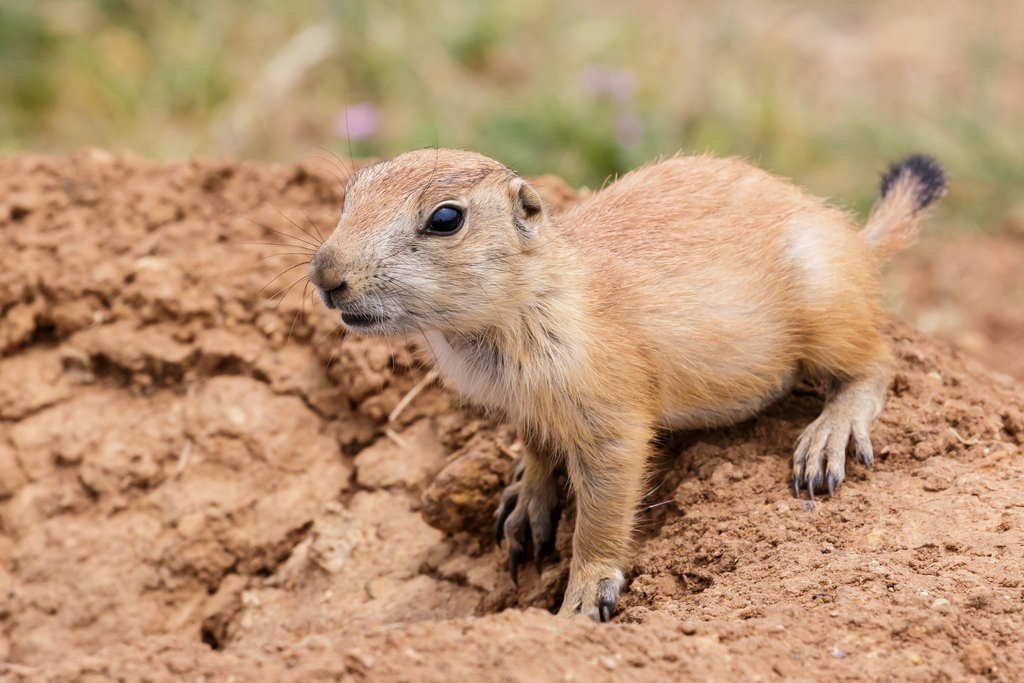
Black-tailed Prairie Dog
POSITIONBlack-tailed Prairie DogFeed belly-down/upright in a natural nursing posture, never on the back.© Meghan Cassidy, some rights reserved (CC BY-SA) · CC-BY-SA · VIEW SOURCE ↗
Gunnison’s Prairie Dog
CONTROLGunnison’s Prairie DogUse a small syringe and control the plunger; never flood the mouth.© Greg Lasley, some rights reserved (CC BY-NC) · CC-BY-NC · VIEW SOURCE ↗
White-tailed Prairie Dog
WEIGHTWhite-tailed Prairie DogUse an accurate gram weight and the species-specific page rather than guessing volume.© Greg Lasley, some rights reserved (CC BY-NC) · CC-BY-NC · VIEW SOURCE ↗
Utah Prairie Dog
STOP SIGNSUtah Prairie DogFormula at the nose, clicking breathing or abnormal swallowing means stop feeding.© Kevin Metcalf, some rights reserved (CC BY-NC) · CC-BY-NC · VIEW SOURCE ↗
THERE IS NO SAFE ONE-SIZE-FITS-ALL “SQUIRREL FORMULA CHART” FOR PRAIRIE DOGS

Use a prairie-dog/ground-squirrel milk replacer selected by a wildlife rehabilitator or wildlife-capable veterinarian and follow its mixing directions. Do not substitute cow’s milk, human infant formula or a nut/seed-based diet.

1. Introduce milk replacer gradually

Merck recommends correcting hypothermia and dehydration first, then transitioning from oral electrolyte solution through progressively stronger milk replacer — roughly ¼ strength, ½ strength, ¾ strength and then full strength over one to several feedings as tolerance is established.

  • Mix fresh formula with clean equipment.
  • Warm only the portion being fed; discard contaminated leftovers.
  • Use a small syringe/nipple that cannot flood the mouth.
  • Increase concentration only if the abdomen, stool, breathing and behavior remain normal.

2. Feeding position and pace

  1. Keep the pup belly-down or slightly upright, never on its back.
  2. Allow it to latch or lick; do not depress the syringe plunger faster than it can swallow.
  3. Pause frequently. A prairie-dog pup should control the rhythm.
  4. Stop before the abdomen becomes tight or drum-like.
  5. Clean formula from the face and fur after every feeding.

3. Aspiration is an emergency

Stop feeding immediately if formula bubbles from the nose, the pup coughs, clicks, becomes suddenly quiet or has increased breathing effort.
Do not swing or shake the animal. Keep the airway clear and obtain veterinary/rehabilitator help; aspiration pneumonia can develop after the initial event.

4. Begin the herbivore transition when development allows

Prairie dogs are high-fiber herbivores/hindgut fermenters. As chewing and self-feeding develop, offer clean grass hay, fresh local grasses/forbs from pesticide-free areas, appropriate leafy greens and a limited high-fiber herbivore pellet. Merck and VCA both emphasize hay/roughage as the dietary base for captive prairie dogs.

  • Avoid nuts, sunflower seeds and seed mixes as staples.
  • Avoid dog/cat food, table scraps and sugary human foods.
  • Do not force weaning just because solid food is being sampled.
  • Keep fresh water available once the pup can use a stable dish or bottle safely.

Sources