PRAIRIE DOG RESCUE · DAY 1 TO RELEASE

Prairie Dog Rescue — Day 1 to Release

A complete, colony-aware pathway for finding, stabilizing, hand-raising, developing and releasing a North American prairie dog when immediate transfer is not possible.

RESCUE PATHWAY

Choose the stage you need

New rescue? Start at 01. Already caring for the animal? Jump directly to the stage that matches what you need.

WHAT THIS GUIDE IS FOR

This is a complete practical pathway for prairie dogs (genus Cynomys) from discovery through release. Prairie dogs are colonial, burrowing ground squirrels, so a successful rescue has to preserve health, species identity, social development, burrow behavior and an appropriate release colony/site — not just body weight.

Five prairie dogs, one genus — not one identical schedule

North America has five prairie-dog species. Identification matters because seasonal activity, legal status, range and release planning differ. Do not move an animal to a different colony or region simply because another prairie-dog town is nearby.
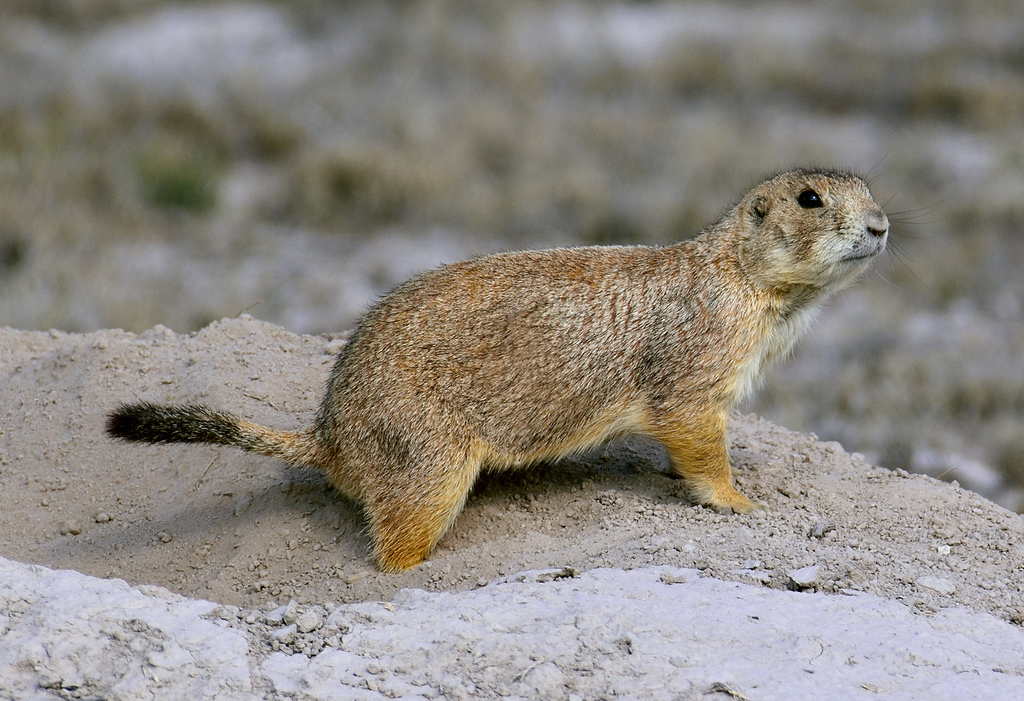
Black-tailed Prairie Dog
Black-tailed Prairie DogCynomys ludovicianus — Great Plains species; highly social and active above ground through much of winter rather than true hibernation.© Meghan Cassidy, some rights reserved (CC BY-SA) · CC BY-SA · VIEW OBSERVATION ↗
White-tailed Prairie Dog
White-tailed Prairie DogCynomys leucurus — Western interior species with a different seasonal cycle from black-tailed prairie dogs.© Greg Lasley, some rights reserved (CC BY-NC) · CC BY-NC · VIEW OBSERVATION ↗
Gunnison’s Prairie Dog
Gunnison’s Prairie DogCynomys gunnisoni — Southwestern colonial species that uses deep, chambered burrow systems.© Greg Lasley, some rights reserved (CC BY-NC) · CC BY-NC · VIEW OBSERVATION ↗
Utah Prairie Dog
Utah Prairie DogCynomys parvidens — Utah endemic whose handling and release require especially careful legal and agency coordination.© Kevin Metcalf, some rights reserved (CC BY-NC) · CC BY-NC · VIEW OBSERVATION ↗
Mexican Prairie Dog
Mexican Prairie DogCynomys mexicanus — Mexican endemic and protected species; rescue and release should be coordinated with the appropriate wildlife authority.© Ad Konings, some rights reserved (CC BY-NC) · CC BY-NC · VIEW OBSERVATION ↗

Why prairie dogs need their own rescue pathway

COLONY

Social life is part of release competence

Black-tailed prairie dogs live in family groups called coteries within larger towns. Social recognition, alarm responses, grooming and group foraging are normal survival behavior.

BURROWS

Underground shelter is essential

Prairie dogs use multi-entrance burrow systems for nursery space, weather protection and predator escape. Pre-release care has to develop digging, retreat and lookout behavior.

SEASON

Species differ in winter strategy

Black-tailed prairie dogs do not truly hibernate, while white-tailed, Gunnison’s and Utah prairie dogs have much stronger seasonal dormancy. Release timing therefore cannot use one calendar for every species.

Start here — the first-hour sequence

  1. Record the exact colony and burrow location. A prairie dog belongs to a particular place and social neighborhood; location information may determine whether reunification or release can succeed.
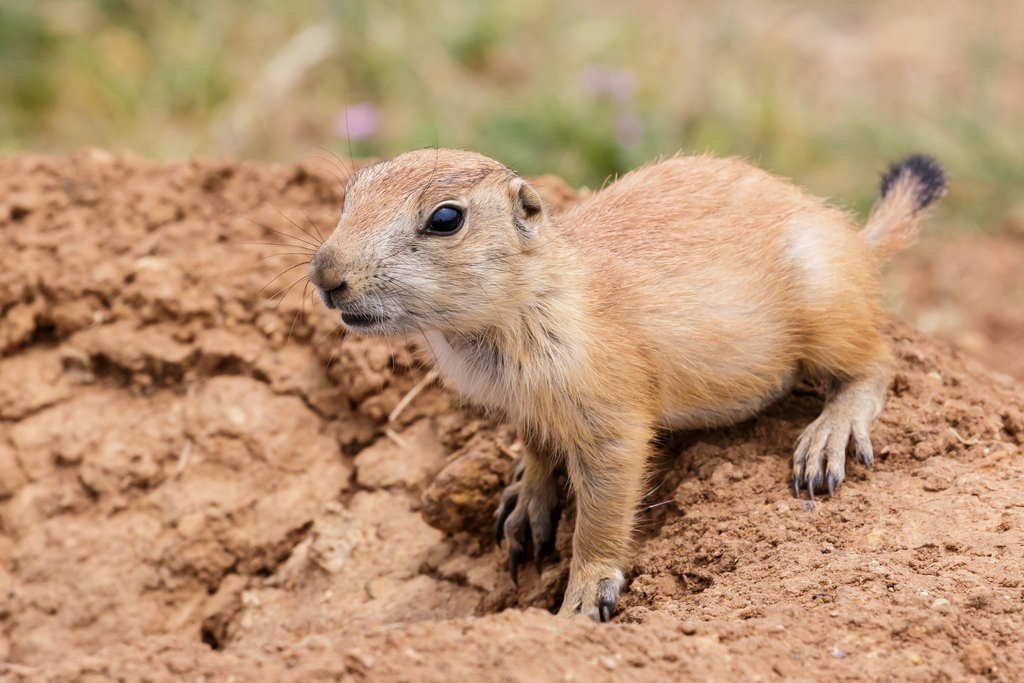
  2. Decide whether rescue is actually needed. A fully furred, coordinated pup above ground near an active town may be in a normal emergence period. A cold, weak, injured or very young pup away from shelter is different.
  3. Use gloves and keep pets away. Prairie dogs can bite, and prairie-dog fleas can participate in the western U.S. plague cycle.
  4. Reunite when safe. A healthy displaced pup should be given a quiet chance to return to its family at the original burrow area when the site is safe.
  5. Warm before feeding. Cold or shocked neonates should be stabilized before oral fluids or formula.
  6. Follow the stages in order. If immediate professional placement is unavailable, do not skip directly to formula or release planning.
START STAGE 1 — IDENTIFY, ASSESS & REUNITE →

Prairie-dog flea and plague safety

TAKE SUDDEN DIE-OFFS SERIOUSLY

Prairie dogs and their fleas can be involved in plague outbreaks in the western United States. If multiple prairie dogs are found dead or acutely ill in the same town, minimize handling, keep pets away and contact local wildlife or public-health authorities. Do not apply flea medication, pesticide dust or other drugs directly to a rescued pup without species-appropriate veterinary guidance.

Sources