
- The youngster eats grass/hay and appropriate greens throughout the day without prompting.
- Body weight remains stable or continues an appropriate juvenile trend as formula decreases.
- Stool remains formed and normal for a high-fiber herbivore.
- The abdomen is comfortably full, not chronically bloated.
- Fresh water is being used normally.
AT A GLANCEDo these things before moving on
Weaning follows reliable solid intake, weight stability and normal elimination.
Build the solid-food base around the species’ natural ecology.
Strength, coordination, climbing/digging/gliding and foraging must develop before release.
VISUAL GUIDE
See the important points for this stage



WEAN BY FUNCTION, NOT BY A SINGLE DATE
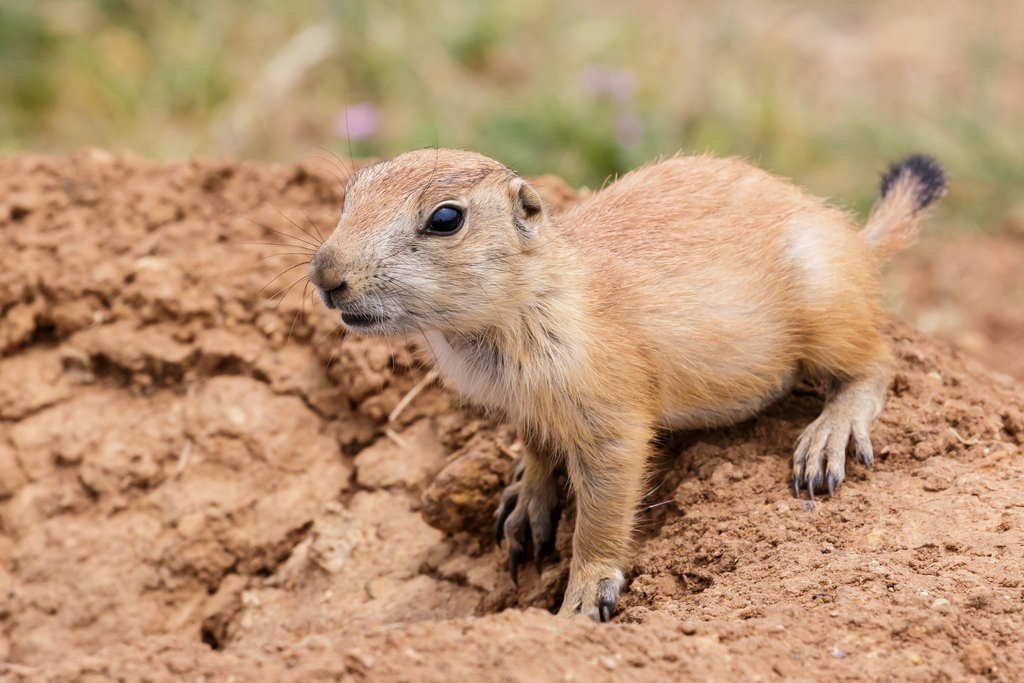
Black-tailed pups begin weaning around the time they emerge from the nursery burrow, but individual condition matters. Reduce formula only as self-feeding, stool quality and weight remain stable.
1. Know when self-feeding is established
2. Build the juvenile diet around forage
VCA describes prairie dogs as hindgut fermenters that require substantial roughage. The release-oriented diet should center on grass hay and local safe grasses/forbs, with limited high-fiber pellets and small amounts of appropriate leafy vegetables while natural forage is being established.
- Do not use seed/nut mixes as the calorie base.
- Limit sweet fruit and high-starch treats.
- Do not use dog or cat food as routine nutrition.
- Introduce new vegetation gradually so gut flora can adapt.
3. Make normal behavior earn the food
- Scatter forage through clean soil and grass clumps.
- Place hay in tunnel entrances and several feeding points.
- Use intact sod/grass patches from pesticide-free areas when practical.
- Rotate safe browse/forage species rather than feeding one plant exclusively.
- Reduce hand-delivered food and direct contact.
4. Pre-outdoor readiness checklist
Physical: bright, strong, coordinated, normal teeth, clean coat, healed injuries.
Diet: fully self-feeding or nearly so on high-fiber forage.
Behavior: digs, uses tunnels, scans, retreats quickly and avoids people/pets.
Social: compatible with its rehabilitation cohort when cohorting is appropriate.