CARE & HUSBANDRY

Care & Husbandry

Choose the squirrel group first. Each care library covers food, enclosure, daily routine, enrichment, social needs, health, seasonal care and emergency planning.

START HERE

What kind of squirrel are you caring for?

Pick the closest group. The next screen opens a complete care library for that animal.

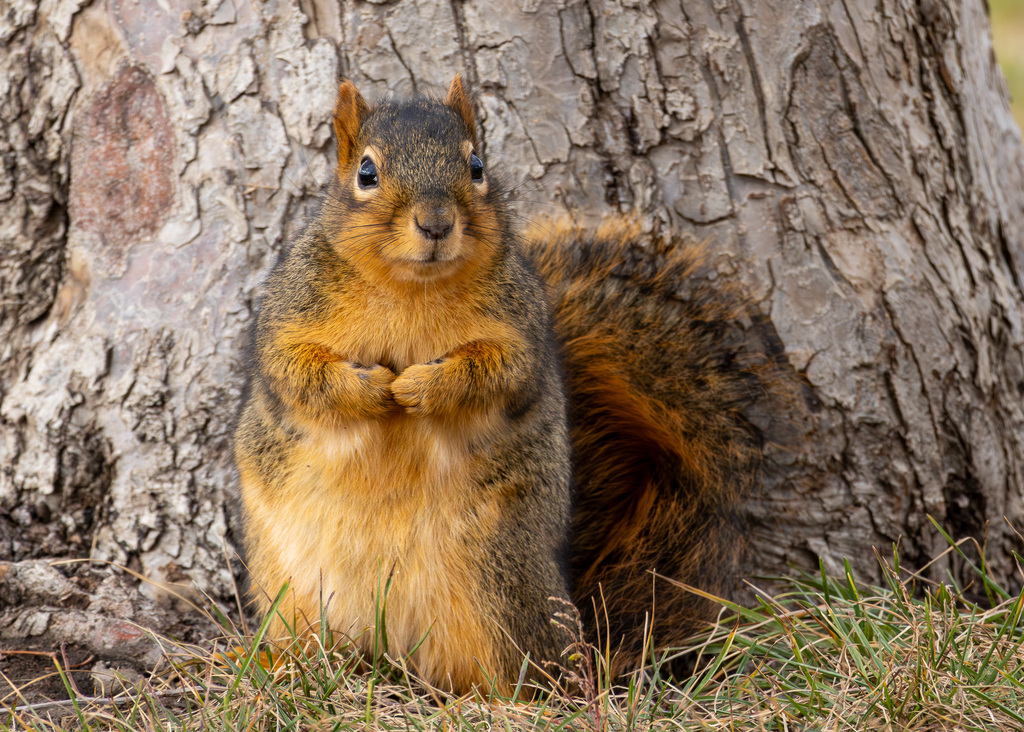
Tree Squirrels
Tree SquirrelsArboreal squirrels that need vertical space, varied natural foods, daily movement, browse, secure nesting and careful nutrition.© Tobin Brown, some rights reserved (CC BY-NC) · CC-BY-NCOPEN CARE GUIDE →
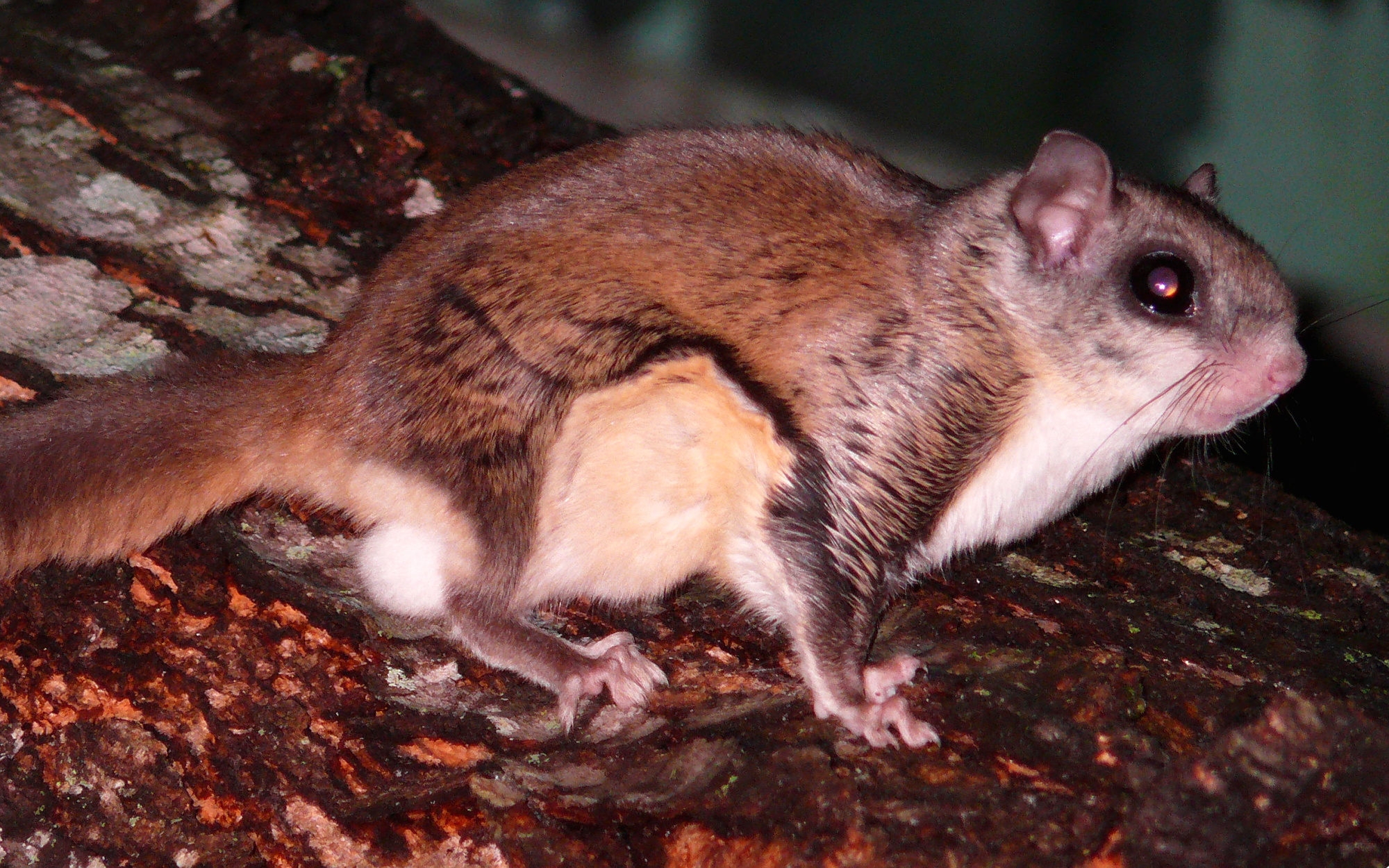
Flying Squirrels
Flying SquirrelsNocturnal gliders that need height, clear launch-to-landing paths, protected nest cavities, varied omnivorous foods and species-aware social care.Ken Thomas · Public domainOPEN CARE GUIDE →
Ground Squirrels
Ground SquirrelsBurrowers that need deep digging opportunities, horizontal activity space, species-specific social management and a diet that follows seasonal plant ecology.© Robert Levy, some rights reserved (CC BY-NC) · CC-BY-NCOPEN CARE GUIDE →
Chipmunks
ChipmunksSmall territorial burrowers that need escape-proof housing, deep substrate, cache management, varied omnivorous foods and careful social decisions.© Mike Leveille, some rights reserved (CC BY-NC) · CC-BY-NCOPEN CARE GUIDE →
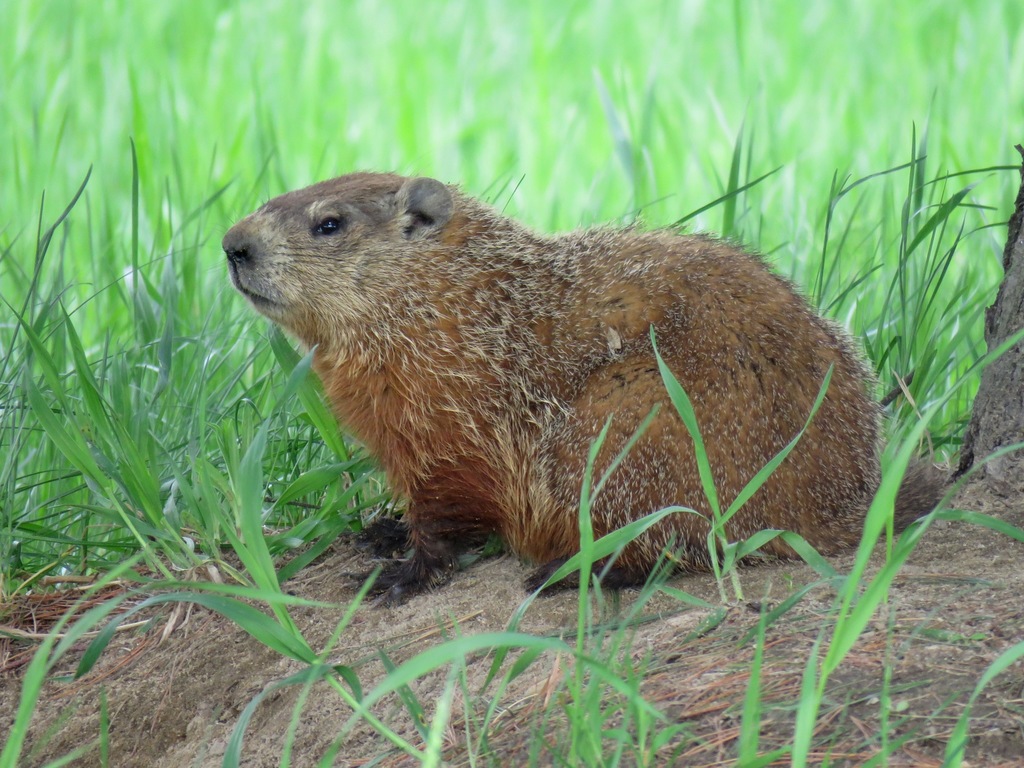
Marmots & Woodchucks
Marmots & WoodchucksLarge, powerful burrowers needing robust outdoor-style housing, deep substrate, herbivore-focused feeding and deliberate seasonal/hibernation planning.© Mike Leveille, some rights reserved (CC BY-NC) · CC-BY-NCOPEN CARE GUIDE →
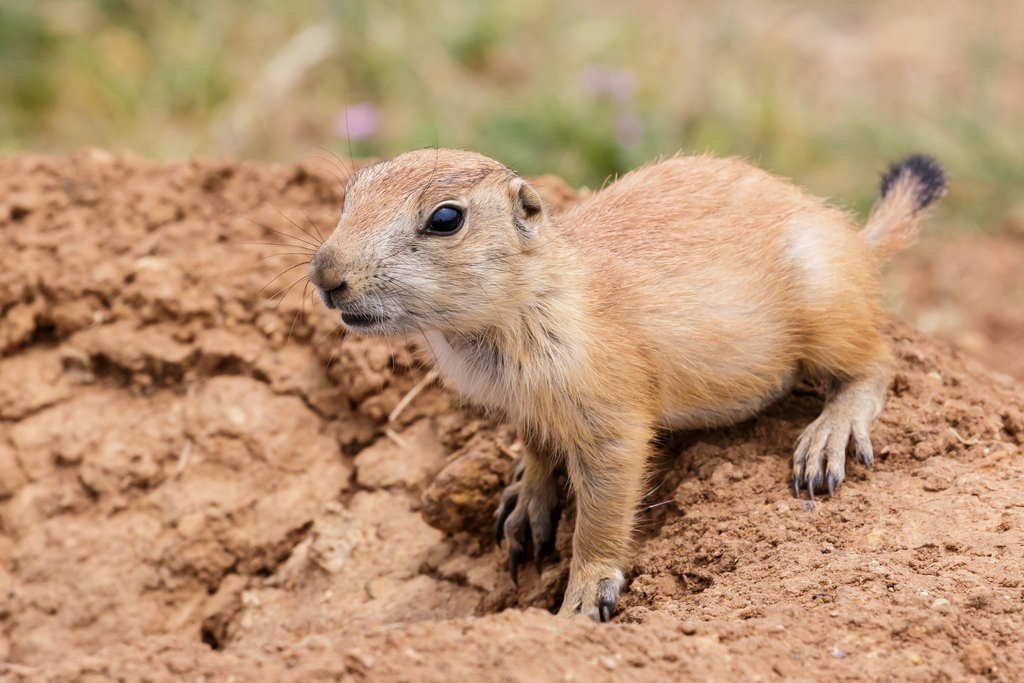
Prairie Dogs
Prairie DogsHighly social grazing burrowers that need constant grass hay, digging space, strong social planning, exercise and close dental/weight monitoring.© Meghan Cassidy, some rights reserved (CC BY-SA) · CC-BY-SAOPEN CARE GUIDE →
QUICK ROUTES

What do you need help with?

The core husbandry rule

Long-term care should imitate the animal’s ecological jobs as closely as practical: the way it moves, finds food, shelters, communicates, rests and responds to seasons. A tree squirrel, flying squirrel, chipmunk and prairie dog should not be given the same diet or enclosure simply because they are all squirrels.

NUTRITION

Feed the ecology

Natural diet informs variety, fiber and foraging, while a balanced captive staple prevents selective-feeding deficiencies.

SPACE

Build for movement

Vertical climbing, glide lanes, digging depth and colony space are different physical needs.

BEHAVIOR

Give real jobs

Food search, caching, gnawing, nesting, digging and social choice should happen every day.

HEALTH

Know the baseline

Weight, appetite, teeth, stool, breathing and behavior are easier to interpret when tracked consistently.

Core husbandry sources

Each animal library also lists its group-specific sources. These core references anchor nutrition, housing, natural-history and veterinary guidance across the care section.