
| What you see | Best first action |
|---|---|
| Eyes open, fully furred, coordinated, alert, no injury | Usually observe from a distance and keep people/pets away. Healthy juveniles can be above ground normally. |
| Eyes closed, healthy, warm, no wounds | Search for the burrow/den close to the exact find spot and attempt reunification. |
| Cold, weak, thin, bleeding, fractured, neurologic, fly-struck | Intervene now, contain, warm/stabilize and seek wildlife/veterinary help. |
| Cat or dog contact | Treat as urgent even when punctures are hard to see. |
| Several sick/dead rodents in the same area | Do not collect them. Contact wildlife/public-health authorities because flea-borne disease may be involved. |
AT A GLANCEDo these things before moving on
Confirm the animal group before choosing a feeding or release plan.
Keep the exact find location; reunification and release depend on it.
Look for coldness, injury, pet contact, fly eggs and abnormal behavior.
VISUAL GUIDE
See the important points for this stage


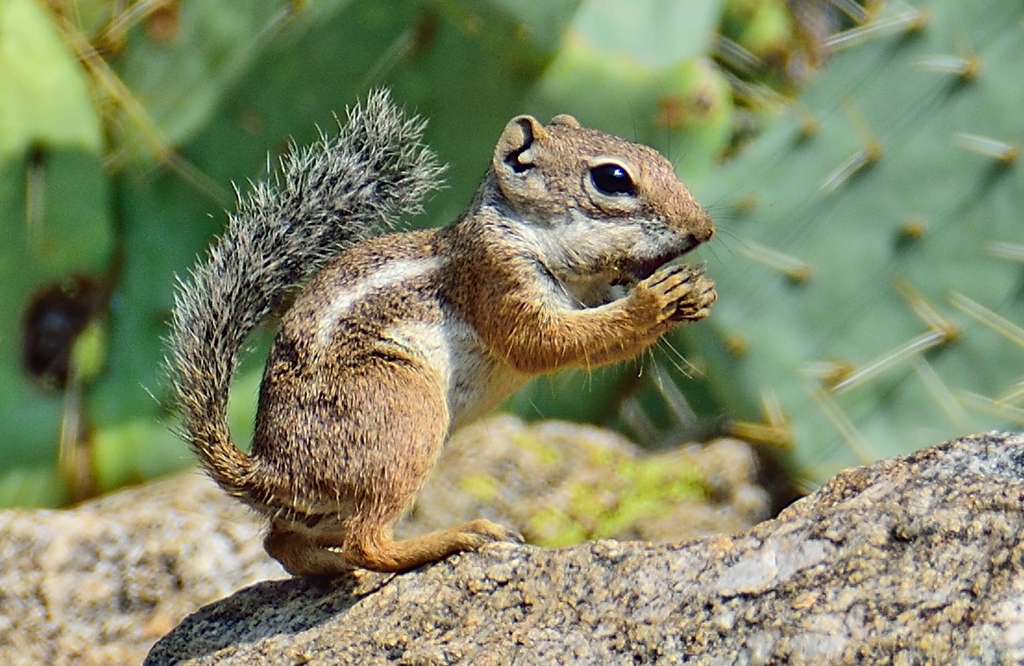

THE MOST IMPORTANT QUESTION IS WHETHER THIS ANIMAL BELONGS IN HUMAN CARE AT ALL
Healthy eyes-open juveniles are often supposed to be above ground. Healthy eyes-closed ground-squirrel babies usually are not. Ground squirrels rear young underground, so a young infant found above ground deserves a careful search for the natal burrow and a reunification attempt when there is no injury or immediate danger.
1. Decide whether to observe, reunite or intervene
2. Species gate — make sure this is the right pathway
Chipmunk: facial stripes are common; use the Chipmunk Rescue page.
Prairie dog: stout colonial grassland squirrel; use Prairie Dog Rescue.
Marmot / woodchuck: much larger-bodied burrower; use Marmots & Woodchucks.
Small/medium ground squirrel: continue here, but identify species as closely as possible because hibernation, sociality, adult size and habitat vary.
Take clear photos from above and both sides before the animal becomes covered or housed. Record the city/county, habitat, exact location and date; geography is often critical to identification.
3. Reuniting a healthy infant at the burrow
- Keep the baby warm while you locate the likely den/burrow near the exact find location.
- Place the baby on the ground near the den in a ventilated, non-airtight protective container that prevents the infant from crawling away but allows the mother to retrieve it.
- If outdoor temperature is cool, use a gentle indirect heat source under only part of the setup; nothing touching the baby should feel hot.
- Keep pets, children and people completely away. Watch from indoors, a vehicle or far enough away that the mother feels safe.
- Give the mother a quiet daylight window of about four hours when conditions are safe. If found at night, keep the baby warm/quiet overnight and retry early the next morning.
- If the mother does not retrieve the baby, or the infant declines, move to stabilization.
CDFW specifically notes that healthy eyes-closed ground-squirrel babies can be returned to the ground burrow and that mothers readily attempt reunification. Wildlife Images gives a ground-level protected-container method and a four-hour undisturbed reunion window.
4. Preserve the information a rehabilitator — or later release — will need
- Exact GPS/map pin or precise description of the find spot
- Photos of the animal and surrounding habitat/burrows
- Date/time and weather
- Whether a dead adult, machinery, flooding, excavation, cat/dog or poison was involved
- Baseline weight in grams if the animal is safely contained
- Any food, water, medication or flea product already given
5. Flea and bite safety
Use gloves and a towel for necessary handling; do not grab a squirrel by the tail. Keep the animal away from domestic pets and other wildlife in care. In plague-endemic parts of the western U.S., fleas from ground squirrels are a documented human-health concern. Do not improvise insecticide dosing on a tiny infant; mechanically isolate the animal and obtain species/age-appropriate parasite guidance.
Sources
Ground-squirrel care varies by species. The references below cover veterinary neonatal care, wildlife rehabilitation, natural history and release planning; use species-specific ages, social behavior and seasonal timing whenever they are available.
STATE WILDLIFE AGENCYCalifornia Department of Fish and Wildlife — Native Wildlife Rehabilitation↗
WILDLIFE HOSPITALWildlife Images — Ground Squirrel & Small Mammal Reuniting↗
VETERINARY MANUALMerck Veterinary Manual — Care of Orphaned Native Birds and Mammals↗
REHABILITATION / NATURAL HISTORYWildAgain Wildlife Rehabilitation — Squirrel Natural History in Rehabilitation↗
FEDERAL SCIENCEU.S. Geological Survey — Captive Breeding, Husbandry, Release & Translocation of Sciurids↗
PROFESSIONAL STANDARDSNational Wildlife Rehabilitators Association — Rehabilitator Resources↗
FIND HELPAnimal Help Now — Wildlife Emergency Help↗