
- Use a secure, ventilated plastic carrier or smooth-sided box with a fitted lid.
- Line it with fleece, flannel or smooth cloth. Avoid loose-loop terrycloth that can snag tiny toes and claws.
- Provide supplemental heat under or beside half the container so the animal can move away from warmth.
- Keep the box dark, quiet and away from children, pets, TV/music and strong odors.
- For a mobile juvenile, add a small hide/tube so retreat behavior is possible without making the animal impossible to check.
AT A GLANCEDo these things before moving on
Use gentle indirect heat with room to move away from the warm side.
Use a secure, dark, quiet container and minimize handling.
Check breathing, movement, injuries, parasites and responsiveness before oral care.
VISUAL GUIDE
See the important points for this stage

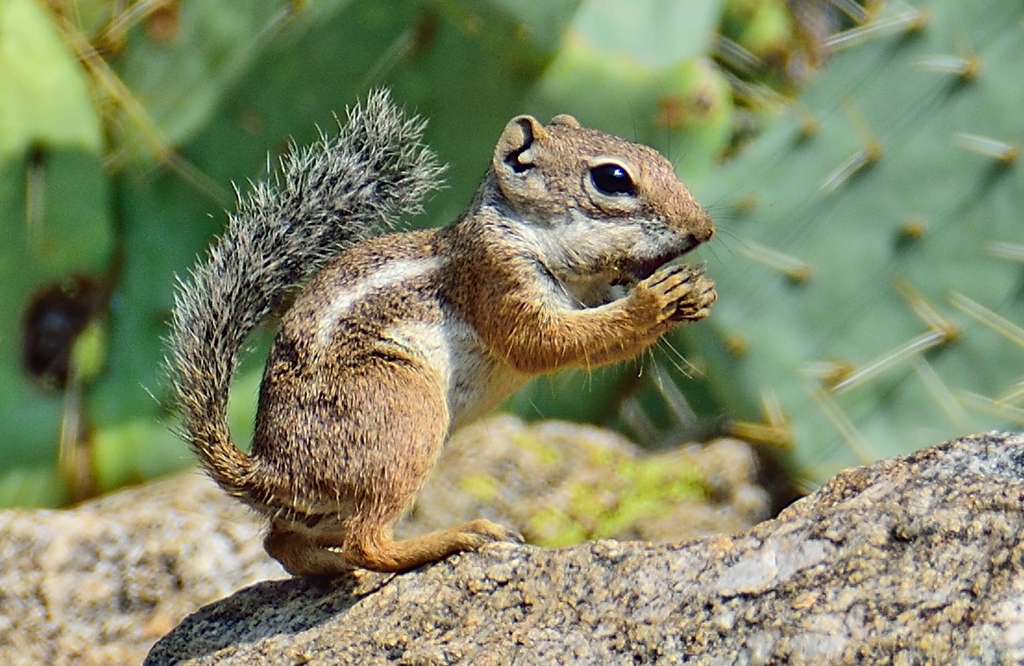


WARMTH BEFORE FOOD
A cold or shocked infant may not digest or swallow safely. Stabilization means quiet, warmth, a quick physical assessment and controlled handling — not filling the stomach as fast as possible.
Set up an immediate stabilization box
What to check before offering anything by mouth
Quiet and regular?
Open-mouth breathing, gasping, clicking or blue/gray tissues are urgent.
Can it orient and move normally?
Head tilt, circling, falling, seizures or inability to use limbs needs professional assessment.
Hidden wounds matter
Look for punctures, swelling, bruising, fractures, fly eggs/maggots and blood around mouth/nose.
Temperature support
Merck’s veterinary guidance for wild neonates emphasizes a heat gradient and warns against direct heat burns. The animal should gradually become warm, responsive and able to move away from the warm zone. Do not put a heating pad directly against skin and do not heat the entire enclosure with no cooler option.
STOP AND GET HELP IF
The animal remains cold despite safe heat, cannot right itself, is severely dehydrated, has labored breathing, has extensive wounds, has been in a cat/dog’s mouth, or cannot swallow normally.
Start a written log now
| Record | Why it matters |
|---|---|
| Weight in grams | Daily trend is more useful than guessing from appearance. |
| Temperature/behavior | Cold, limp or unresponsive animals are not ready for routine oral feeding. |
| Urine/stool | Changes help reveal dehydration, overfeeding and digestive problems. |
| Injury/exposure history | Cat/dog contact, poison or excavation changes urgency and treatment. |
Sources
Ground-squirrel care varies by species. The references below cover veterinary neonatal care, wildlife rehabilitation, natural history and release planning; use species-specific ages, social behavior and seasonal timing whenever they are available.
STATE WILDLIFE AGENCYCalifornia Department of Fish and Wildlife — Native Wildlife Rehabilitation↗
WILDLIFE HOSPITALWildlife Images — Ground Squirrel & Small Mammal Reuniting↗
VETERINARY MANUALMerck Veterinary Manual — Care of Orphaned Native Birds and Mammals↗
REHABILITATION / NATURAL HISTORYWildAgain Wildlife Rehabilitation — Squirrel Natural History in Rehabilitation↗
FEDERAL SCIENCEU.S. Geological Survey — Captive Breeding, Husbandry, Release & Translocation of Sciurids↗
PROFESSIONAL STANDARDSNational Wildlife Rehabilitators Association — Rehabilitator Resources↗
FIND HELPAnimal Help Now — Wildlife Emergency Help↗