
- Use of the release burrow/start or construction of a new burrow
- Normal surface activity for the species/time of day
- Foraging and food caching
- Body condition and coat
- Normal alarm/retreat behavior
- Interactions with local conspecifics
- Predator pressure, flooding or burrow collapse
AT A GLANCEDo these things before moving on
Monitor without drawing the animal back into human contact.
Reduce supplemental food/water gradually when a soft-release plan uses it.
Persistent weakness, injury, failure to use shelter or inability to forage may require intervention.
VISUAL GUIDE
See the important points for this stage


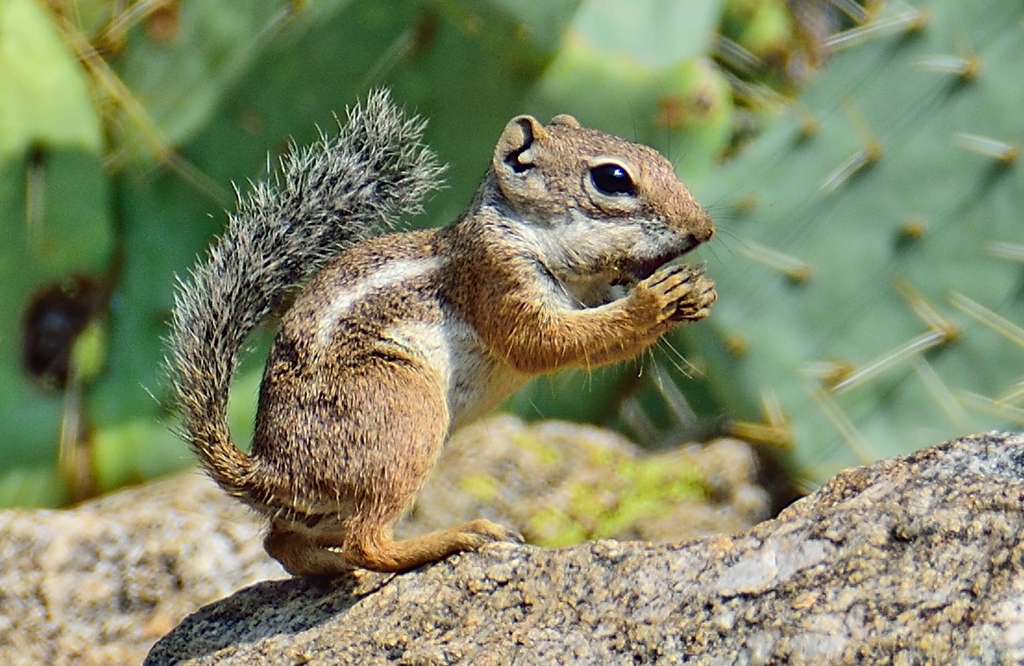

POST-RELEASE SUPPORT SHOULD HELP WITHOUT RE-TAMING
The goal is to bridge the transition to independence, not create a permanent feeding station where the squirrel waits for people.
What to monitor from a distance
Supplemental food — taper, do not anchor the animal to you
If a soft-release plan includes supplemental feeding, place food near the familiar shelter without approaching the squirrel. Reduce the amount/frequency as natural foraging is established. Keep domestic animals and people away from the release area.
When to intervene again
| Observation | Response |
|---|---|
| Normal hiding / not seen every day | Do not assume failure. Ground squirrels spend substantial time underground and seasonal activity varies. |
| Repeatedly approaching people, houses or pets | Reduce human-associated feeding and reassess release placement/conditioning. |
| Obvious injury, severe weakness, inability to retreat | Contact the rehabilitator/veterinarian and recapture only if safe and appropriate. |
| Burrow flooding/collapse or immediate habitat destruction | Assess emergency shelter options with the rehabilitator; relocation rules may apply. |
Document the outcome
Record release date/time, weather, exact coordinates, release method, body weight/condition, supplemental-feeding schedule and observed burrow use. For rehabilitation, the outcome matters: survival behavior and independence are more meaningful than whether the squirrel remained visible.
What “success” looks like
A successfully rehabilitated ground squirrel is physically healthy, self-feeding, wary of humans, competent at digging/using burrows, able to find natural forage and cover, seasonally prepared, and living independently in suitable habitat. The objective is not a squirrel that stays nearby because it is tame; the objective is a wild animal that no longer needs us.
Sources
Ground-squirrel care varies by species. The references below cover veterinary neonatal care, wildlife rehabilitation, natural history and release planning; use species-specific ages, social behavior and seasonal timing whenever they are available.
STATE WILDLIFE AGENCYCalifornia Department of Fish and Wildlife — Native Wildlife Rehabilitation↗
WILDLIFE HOSPITALWildlife Images — Ground Squirrel & Small Mammal Reuniting↗
VETERINARY MANUALMerck Veterinary Manual — Care of Orphaned Native Birds and Mammals↗
REHABILITATION / NATURAL HISTORYWildAgain Wildlife Rehabilitation — Squirrel Natural History in Rehabilitation↗
FEDERAL SCIENCEU.S. Geological Survey — Captive Breeding, Husbandry, Release & Translocation of Sciurids↗
PROFESSIONAL STANDARDSNational Wildlife Rehabilitators Association — Rehabilitator Resources↗
FIND HELPAnimal Help Now — Wildlife Emergency Help↗