
- Match species and life stage. Juvenile tolerance does not guarantee adult compatibility.
- Duplicate critical resources. Every animal needs access to food, water, shelter and a retreat path without passing a dominant animal.
- Introduce gradually. Use adjacent secure spaces and repeated calm exposure before full shared housing when the species is appropriate for social housing.
- Watch access, not just fighting. Chronic chasing, blocking food, forcing one animal out of a nest or persistent hiding are conflict signs.
- Have separation housing ready. A compatible pair/group can change after illness, puberty, breeding season or environmental stress.
VISUAL START
Social behavior & low-stress handling
Marmots and woodchucks are large-bodied burrowing herbivores with strong seasonal rhythms. Space, digging, grazing, shelter and temperature management matter.


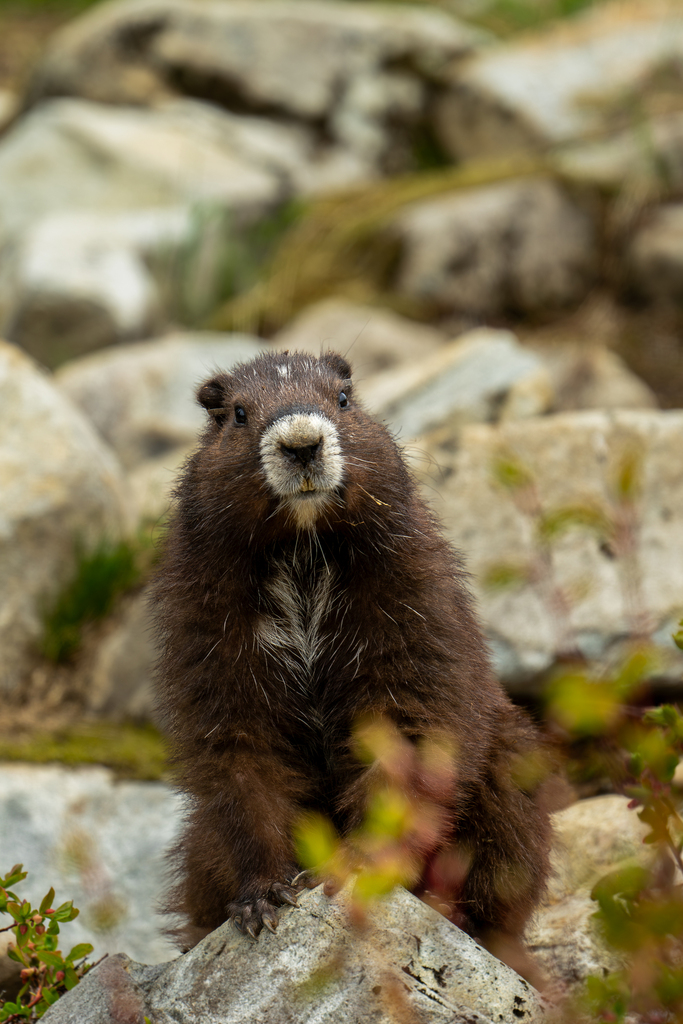
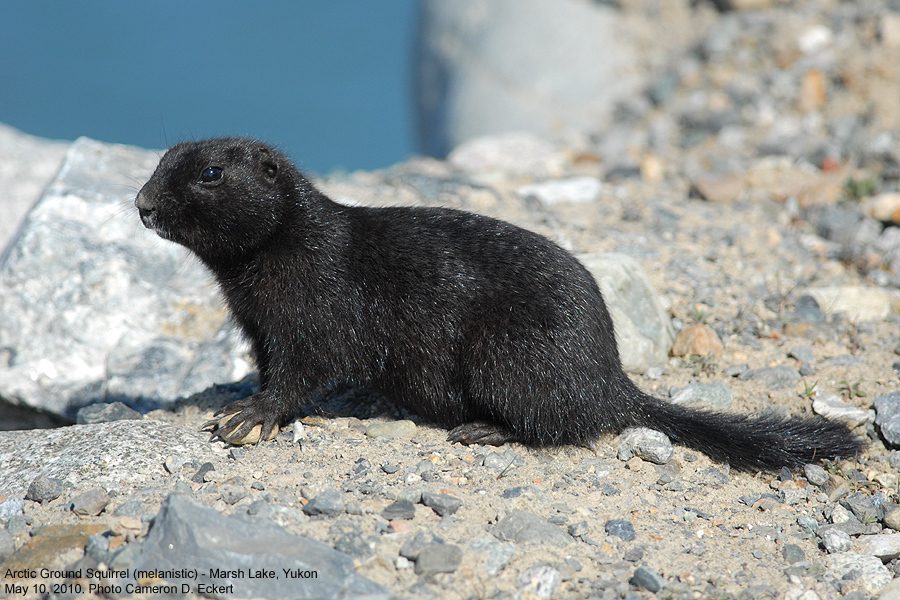
Companion housing
VISUAL CONTEXT
Put the guidance into visual context
These are reference examples, not one-size-fits-all prescriptions. Use them to connect the written guidance to posture, movement and habitat.


Human interaction should be predictable
Adult marmots are strong and capable of serious bites. Design husbandry so routine cleaning, weighing and transfer can happen with barriers, shift boxes or transport crates rather than wrestling the animal.
Long-term care does not require making a wild species behave like a domestic pet. Predictable routines, choice, secure boundaries and low-stress transfer skills are more useful than constant restraint.
VISUAL CONTEXT
Keep the animal’s natural behavior in view
The goal is not to copy a wild scene literally; it is to preserve the movement, choice, retreat and foraging opportunities the animal is adapted to use.
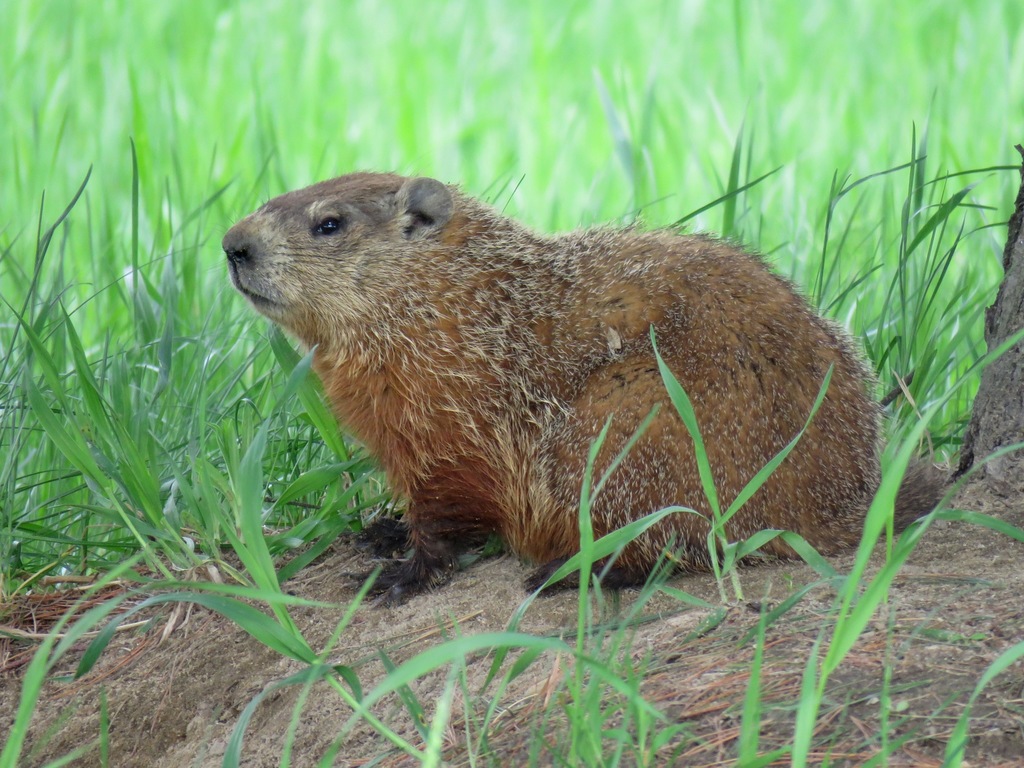
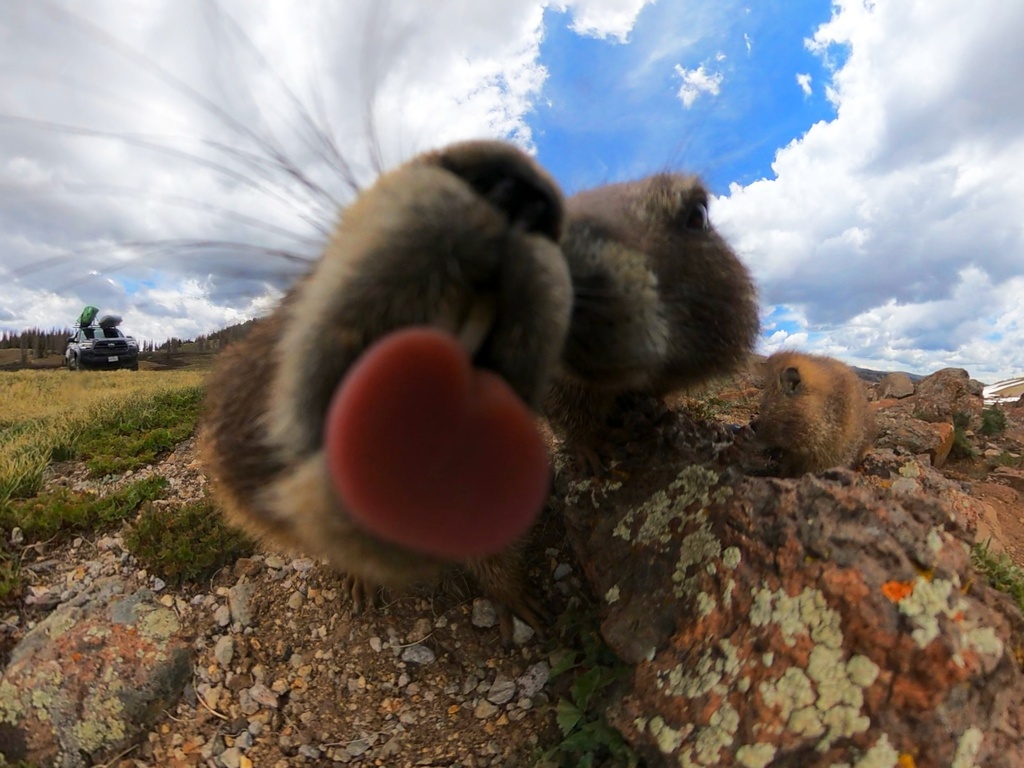
Handling and transport skills
- 01Train the carrier before an emergency. Leave it available during calm periods and pair entry with normal food.
- 02Use barriers and shift spaces. Design the enclosure so routine maintenance can happen without chasing the animal.
- 03Protect the tail and limbs. Never lift a squirrel by the tail and avoid grabbing through wire.
- 04Use towels/containers only when necessary. For a frightened or painful animal, veterinary staff may need sedation rather than escalating physical restraint.
- 05End before panic. Short successful handling is better than prolonged struggling.
Conflict or stress warning signs
- One animal consistently eats last or loses weight.
- Repeated chasing, biting, cornering or nest eviction.
- Persistent hiding during the normal active period.
- Sudden aggression during seasonal or hormonal changes.
- Self-injury, over-grooming, frantic escape behavior or major appetite change.
VISUAL CONTEXT
Use the whole environment as part of care
As you finish the care plan, check that food, structure, routine and safety still support the animal as a living, moving squirrel—not just an occupant of a cage.


Practical example
PRACTICAL EXAMPLE
A low-stress handling rule
Handling should solve a care need—health check, transfer, weighing or safe social interaction—not force contact because the animal is awake.
- 01Give a retreat first: Never make the only hiding place disappear just to create interaction.
- 02Train a voluntary transfer: Use a carrier, shift box or target routine so routine moves do not require chasing.
- 03Watch the whole pattern: Freezing, repeated escape attempts, defensive biting, persistent chasing or resource blocking mean the plan needs to change.
- 04Do not force pairings: Social needs are species-specific. Compatibility must be demonstrated by behavior and access to resources, not assumed from age or species name.
- 05End before panic: Short predictable sessions are safer than holding until the animal becomes exhausted or defensive.
Sources
WOODCHUCK NATURAL HISTORYMass Audubon — Woodchucks / Groundhogs↗WOODCHUCK DIET / BURROWSUniversity of Maine Cooperative Extension — Managing Woodchucks↗MARMOT FIELD BIOLOGYUCLA / Rocky Mountain Biological Laboratory — The Book of Marmot↗VETERINARY NUTRITIONMerck Veterinary Manual — Nutrition in Rodents and Lagomorphs↗HUSBANDRY PRINCIPLESMerck Veterinary Manual — Management of Zoo Animals↗VETERINARY HEALTHMerck Veterinary Manual — Overview of Rodents↗RODENT HEALTHVCA Animal Hospitals — Diseases in Rodents↗
Start with the natural social system
Woodchucks are generally solitary outside breeding and maternal care, while other marmot species can be much more social. Do not treat “marmot” as a single social category. Grouping decisions must match the exact species and individual history.