MARMOTS & WOODCHUCKS CARE

Enrichment & Natural Behavior

Foraging, movement, chewing, digging, caching, nesting and safe problem-solving.

COMPLETE CARE LIBRARY
VISUAL START

Movement, foraging & enrichment

Marmots and woodchucks are large-bodied burrowing herbivores with strong seasonal rhythms. Space, digging, grazing, shelter and temperature management matter.

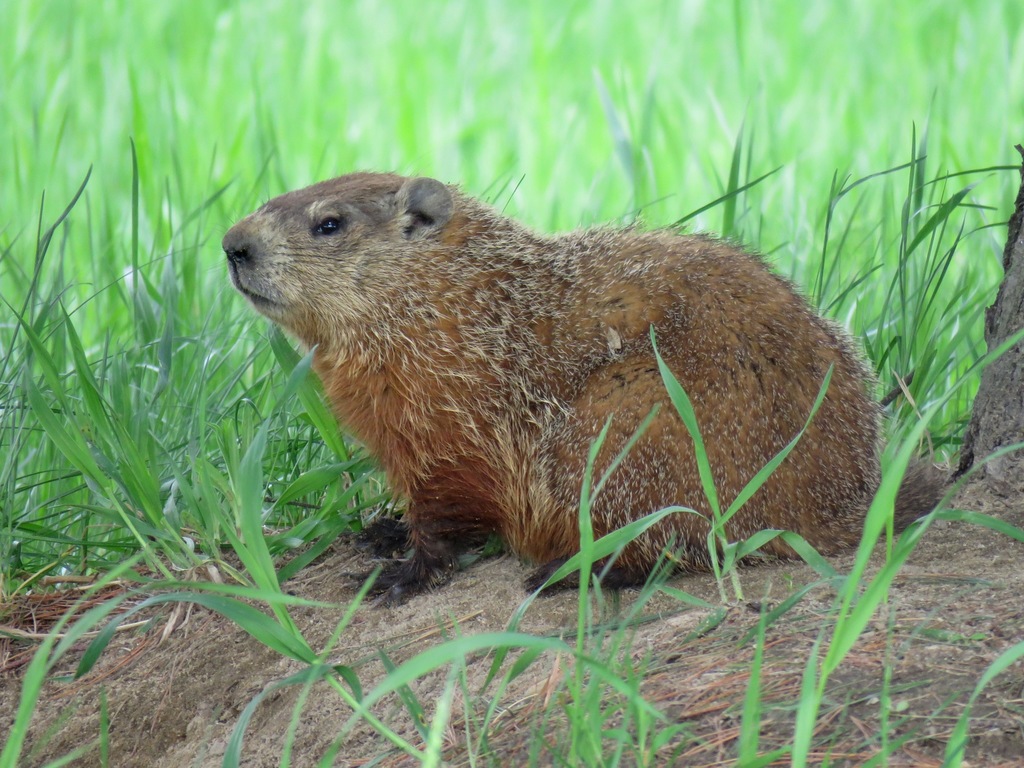
Woodchuck
NATURAL CONTEXTWoodchuckForaging itself is enrichment when food is scattered, hidden or offered through safe natural materials.© Mike Leveille, some rights reserved (CC BY-NC) · CC-BY-NC · VIEW SOURCE ↗
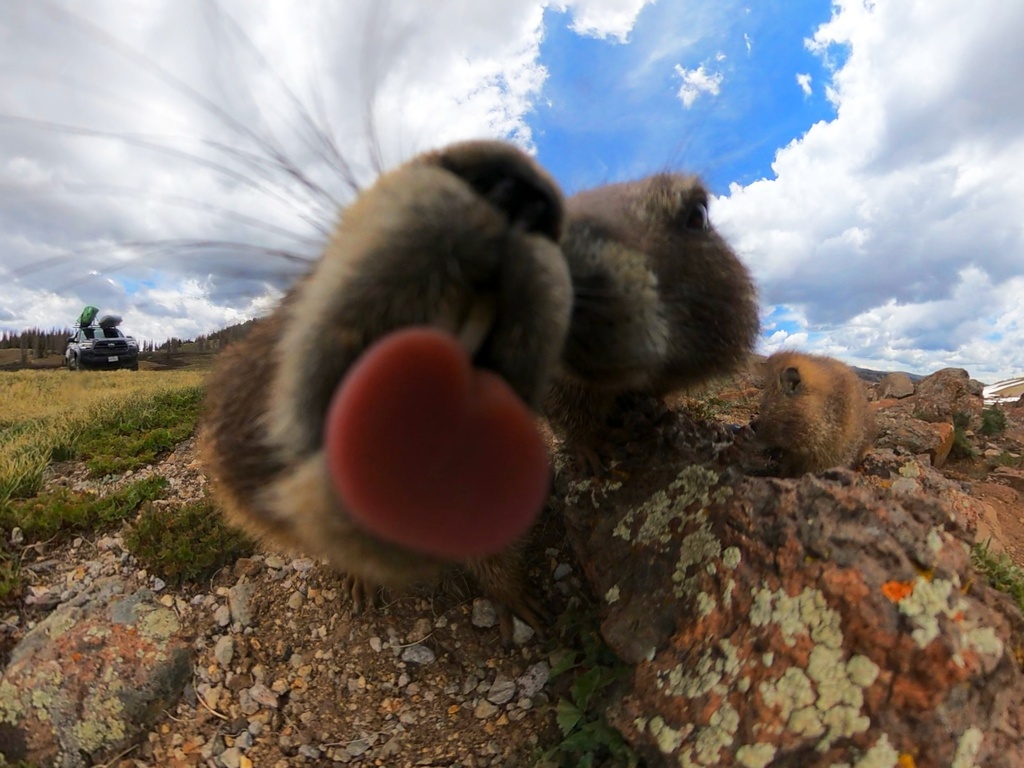
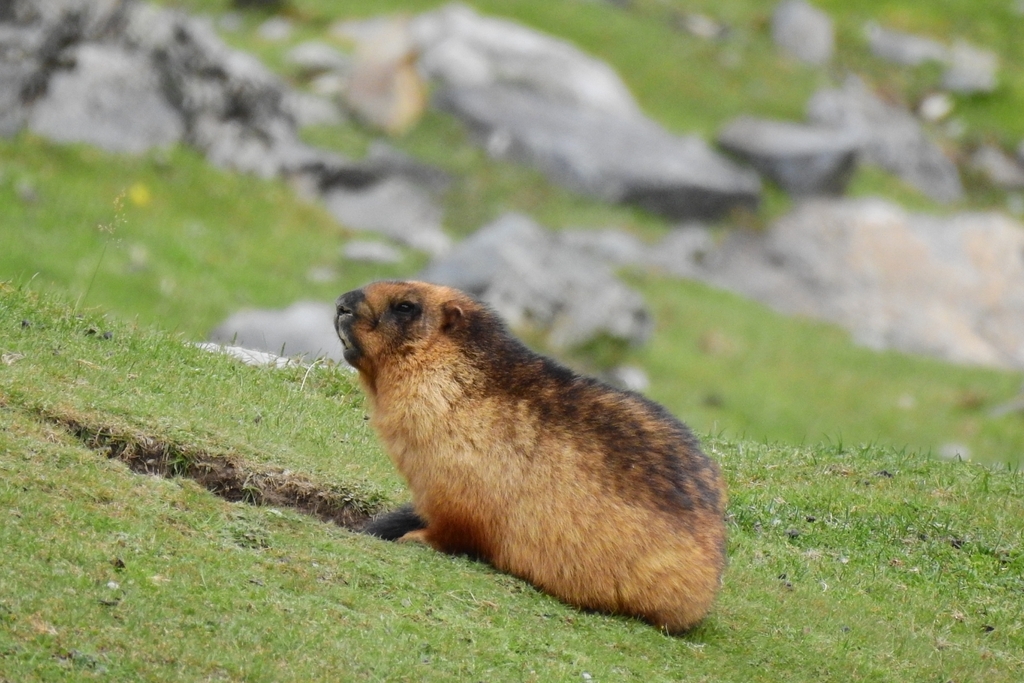
Yellow-bellied Marmot
NATURAL CONTEXTYellow-bellied MarmotUse the animal’s normal movement pattern as the blueprint for enrichment.© Nick Ellis, some rights reserved (CC BY-NC) · CC-BY-NC · VIEW SOURCE ↗
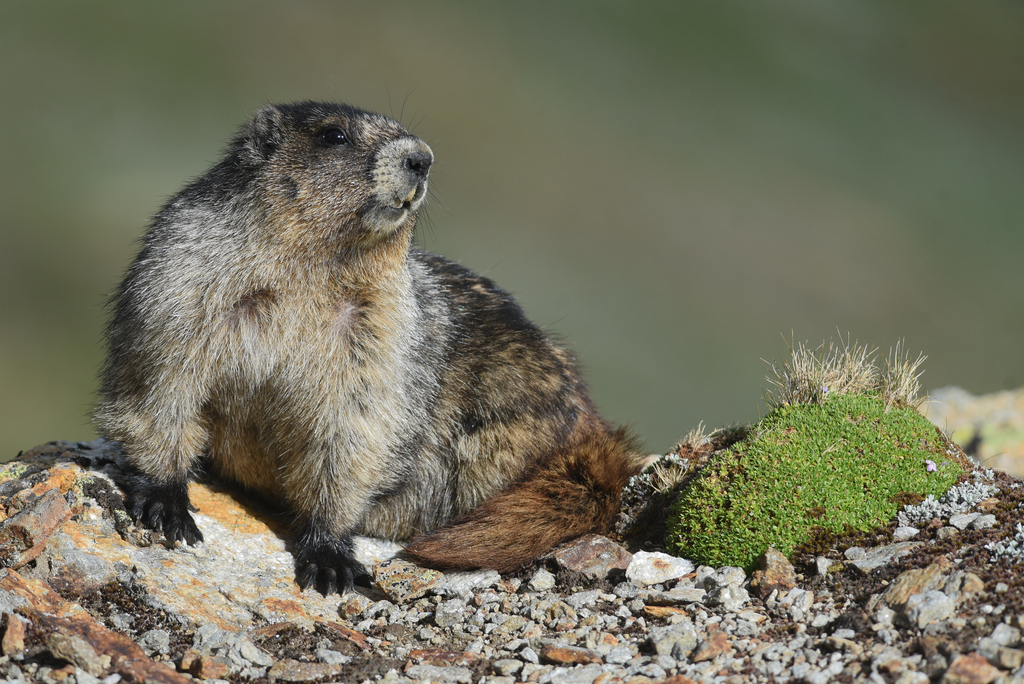
Hoary Marmot
NATURAL CONTEXTHoary MarmotRotate challenges without removing familiar secure resting areas all at once.no rights reserved · CC0 · VIEW SOURCE ↗
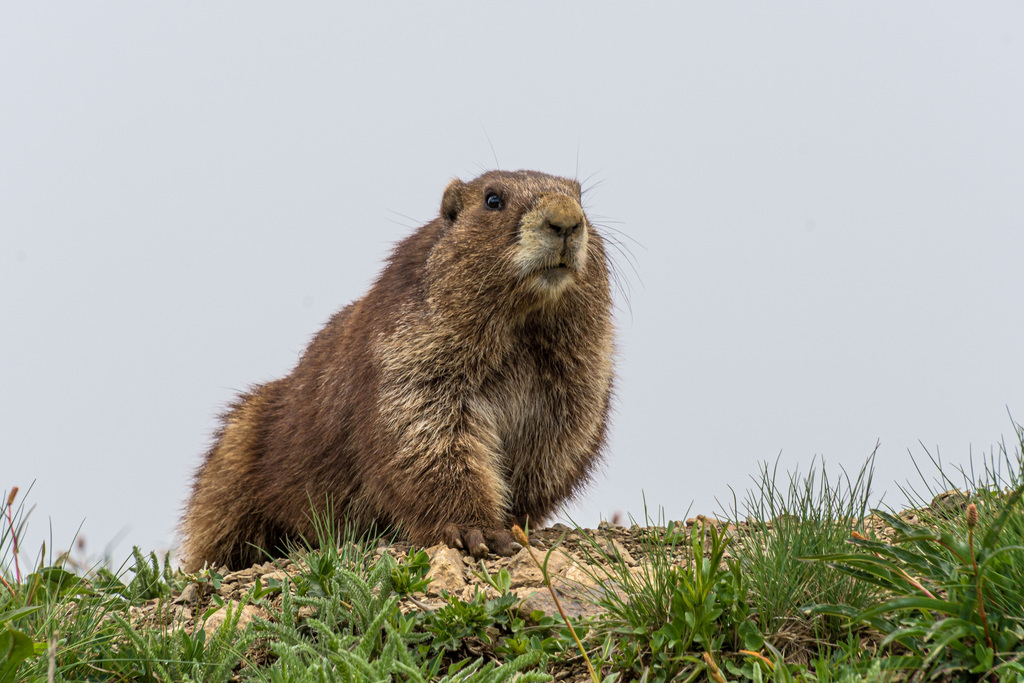
Olympic Marmot
NATURAL CONTEXTOlympic MarmotChewing, digging, climbing, gliding or scent investigation should come from species-appropriate opportunities.© Radd Icenoggle, some rights reserved (CC BY-NC) · CC-BY-NC · VIEW SOURCE ↗

Enrichment should create natural jobs

For this group, useful enrichment includes: fresh safe forage planted or scattered in substrate, burrow extensions or replaceable digging banks, large untreated logs or roots, forage hung at low stretch height, new scent-safe natural materials rather than small plastic toys.

Merck notes that food can be an enrichment activity when it remains part of a balanced nutrition plan. That means enrichment should use measured portions of normal food—not a stream of extra calories.

VISUAL CONTEXT

Put the guidance into visual context

These are reference examples, not one-size-fits-all prescriptions. Use them to connect the written guidance to posture, movement and habitat.

Bobak Marmot
NATURAL CONTEXTBobak MarmotGood enrichment creates choices rather than forcing constant interaction.© Mikhail Ezdakov, some rights reserved (CC BY-NC) · CC-BY-NC · VIEW SOURCE ↗
Long-tailed Marmot
NATURAL CONTEXTLong-tailed MarmotNatural structure gives the animal different heights, textures, routes and hiding options to explore.© Saniya Chaplod, some rights reserved (CC BY-NC) · CC-BY-NC · VIEW SOURCE ↗

Movement enrichment

  • Make the animal use its body correctly: Think in terms of a small habitat, not a cage. The enclosure should withstand strong digging and chewing, provide deep soil/substrate, a weather-protected den or burrow, open foraging space and shade. Woodchuck burrows in nature can be many feet deep and dozens of feet long, illustrating how much digging behavior the animal is built for.
  • Change routes, not safety. Move a branch, tunnel or forage location while preserving secure shelter and predictable escape paths.
  • Reward full-body movement. Place resources so the animal climbs, glides, digs, walks or stretches rather than only reaching through bars.
  • Protect joints and feet. Variety should not require repeated hard landings or prolonged standing on wire.

Foraging and chewing enrichment

  • fresh safe forage planted or scattered in substrate
  • burrow extensions or replaceable digging banks
  • large untreated logs or roots
  • forage hung at low stretch height
  • new scent-safe natural materials rather than small plastic toys
  • Use the regular ration. Hide or scatter part of the food that would have been fed anyway.
  • Keep difficulty adjustable. The animal should work, but not become unable to obtain enough food.
  • Check what was destroyed. Any toy or feeder that splinters, frays or creates a swallowing hazard should be removed.
VISUAL CONTEXT

Keep the animal’s natural behavior in view

The goal is not to copy a wild scene literally; it is to preserve the movement, choice, retreat and foraging opportunities the animal is adapted to use.

Himalayan Marmot
NATURAL CONTEXTHimalayan MarmotFood puzzles should encourage work without making a nutritionally balanced diet optional.© Александра Ивушкина, some rights reserved (CC BY-NC) · CC-BY-NC · VIEW SOURCE ↗
Alpine Marmot
NATURAL CONTEXTAlpine MarmotNovel items should be screened for chew, snag, ingestion and entrapment hazards before use.© Boris Mittermeier, some rights reserved (CC BY-NC) · CC-BY-NC · VIEW SOURCE ↗

Simple five-day rotation

PRACTICAL EXAMPLE

Rotate jobs, not just toys

A good rotation alternates movement, foraging, chewing/digging and problem-solving.

  1. 01
    Day 1: scatter-feed part of the staple in several predictable locations.
  2. 02
    Day 2: add a new safe browse branch or digging material.
  3. 03
    Day 3: use a species-safe plain paper forage parcel or another simple destructible feeder, with a measured portion of the normal ration inside.
  4. 04
    Day 4: change one movement route—branch, tunnel or platform—while leaving shelter unchanged.
  5. 05
    Day 5: repeat the favorite successful challenge rather than constantly adding novelty.
VISUAL CONTEXT

Use the whole environment as part of care

As you finish the care plan, check that food, structure, routine and safety still support the animal as a living, moving squirrel—not just an occupant of a cage.

Menzbier’s Marmot
NATURAL CONTEXTMenzbier’s MarmotEnrichment should support normal behavior instead of simply keeping the animal busy.© Ожегов Андрей (Andrey Ojegov), some rights reserved (CC BY-NC) · CC-BY-NC · VIEW SOURCE ↗
Tarbagan Marmot
NATURAL CONTEXTTarbagan MarmotWatch how enrichment is actually used; remove or change items that consistently create stress or unsafe behavior.© robhutchinson, some rights reserved (CC BY-NC) · CC-BY-NC · VIEW SOURCE ↗

Signs the enrichment plan is wrong

  • Frantic repetition: constant escape attempts or stereotypic pacing can mean the environment is still inadequate.
  • Resource guarding: enrichment that causes one animal to block another from food or shelter should be duplicated or removed.
  • Weight gain: “enrichment treats” count as food and can quietly become a major calorie source.
  • Injury or fear: remove anything that repeatedly causes falls, snagging, panic or hiding for long periods.
  • No use at all: make the task more biologically relevant before assuming the animal “doesn’t like enrichment.”

Sources