PRAIRIE DOGS CARE

Health & Veterinary Care

Baseline monitoring, body condition, teeth, common warning signs and preparing for exotic-veterinary care.

COMPLETE CARE LIBRARY
VISUAL START

Body condition & health monitoring

Prairie dogs are social, burrow-adapted ground squirrels. Colony relationships, digging, grazing, lookout behavior and secure deep substrate are central to good care.

Mexican Prairie Dog
NATURAL CONTEXTMexican Prairie DogHealthy reference photos help establish normal posture and coat, but they are not a diagnosis.© Ad Konings, some rights reserved (CC BY-NC) · CC-BY-NC · VIEW SOURCE ↗
Utah Prairie Dog
NATURAL CONTEXTUtah Prairie DogChanges in movement, posture, coat, eyes, breathing or weight deserve attention.© Kevin Metcalf, some rights reserved (CC BY-NC) · CC-BY-NC · VIEW SOURCE ↗
Richardson's Ground Squirrel
NATURAL CONTEXTRichardson's Ground SquirrelRegular weighing and observation can reveal problems before they become obvious.© Stephen B. Brown, some rights reserved (CC BY-NC) · CC-BY-NC · VIEW SOURCE ↗
Columbian Ground Squirrel
NATURAL CONTEXTColumbian Ground SquirrelVeterinary care should come from an exotics- or wildlife-experienced professional familiar with the species.© ebo2112, some rights reserved (CC BY-NC) · CC-BY-NC · VIEW SOURCE ↗

Know the individual’s healthy baseline

Rodents are prey animals and may hide illness until disease is advanced. The most useful home-health tool is knowing what is normal for this individual: appetite, weight/body condition, stool, urine, posture, coat, breathing, movement, sleep and social behavior.

Important concerns for this group include obesity from rich food and low exercise, dental disease, including jaw swelling or difficulty chewing, pseudo-odontoma and other incisor problems, respiratory irritation from poor ventilation or dirty bedding, parasites, diarrhea, appetite loss or sudden aggression caused by pain.
A practical home health check

BODY

Weight & muscle

Look for gradual loss or gain, prominent bones, fat rolls or a change in how the animal moves.

MOUTH

Teeth & jaw

Check incisor alignment, chewing ability, drooling, facial swelling and whether food is being dropped.

BREATHING

Quiet respiration

Watch for nasal discharge, wheezing, open-mouth breathing or increased effort.

SKIN

Coat & parasites

Look for bald patches, scabs, wounds, excessive scratching or external parasites.

OUTPUT

Stool & urine

Know the normal amount and consistency; persistent diarrhea, blood or major reduction matters.

BEHAVIOR

Normal activity

A sudden change in sleep, hiding, aggression, coordination or interest in food may be the earliest warning.

VISUAL CONTEXT

Put the guidance into visual context

These are reference examples, not one-size-fits-all prescriptions. Use them to connect the written guidance to posture, movement and habitat.

Franklin’s Ground Squirrel
NATURAL CONTEXTFranklin’s Ground SquirrelFeet, teeth and nails are influenced by enclosure design, diet and normal movement opportunities.© Brent Guinn, some rights reserved (CC BY-NC) · CC-BY-NC · VIEW SOURCE ↗
California Ground Squirrel
NATURAL CONTEXTCalifornia Ground SquirrelA sudden drop in activity or appetite can be more meaningful when you know the animal’s normal routine.© Robert Levy, some rights reserved (CC BY-NC) · CC-BY-NC · VIEW SOURCE ↗

Teeth and nutrition are linked

  • Rodent incisors grow continuously. Appropriate gnawing and a nutritionally sound diet support normal wear, but a damaged or misaligned tooth still needs veterinary care.
  • Do not clip teeth at home. Improper clipping can split teeth and damage roots; veterinary grinding/filing is safer when correction is needed.
  • Nutrition problems may show as weakness, coat changes, poor growth or abnormal bone quality. A favorite-food diet can still be deficient.
  • Drooling, jaw swelling, reduced chewing or sudden refusal of hard foods are not normal.
VISUAL CONTEXT

Keep the animal’s natural behavior in view

The goal is not to copy a wild scene literally; it is to preserve the movement, choice, retreat and foraging opportunities the animal is adapted to use.

Golden-mantled Ground Squirrel
NATURAL CONTEXTGolden-mantled Ground SquirrelLook at the whole animal: symmetry, stance, grooming, breathing and willingness to move all provide clues.© Claudia Komesu, some rights reserved (CC BY-NC) · CC-BY-NC · VIEW SOURCE ↗
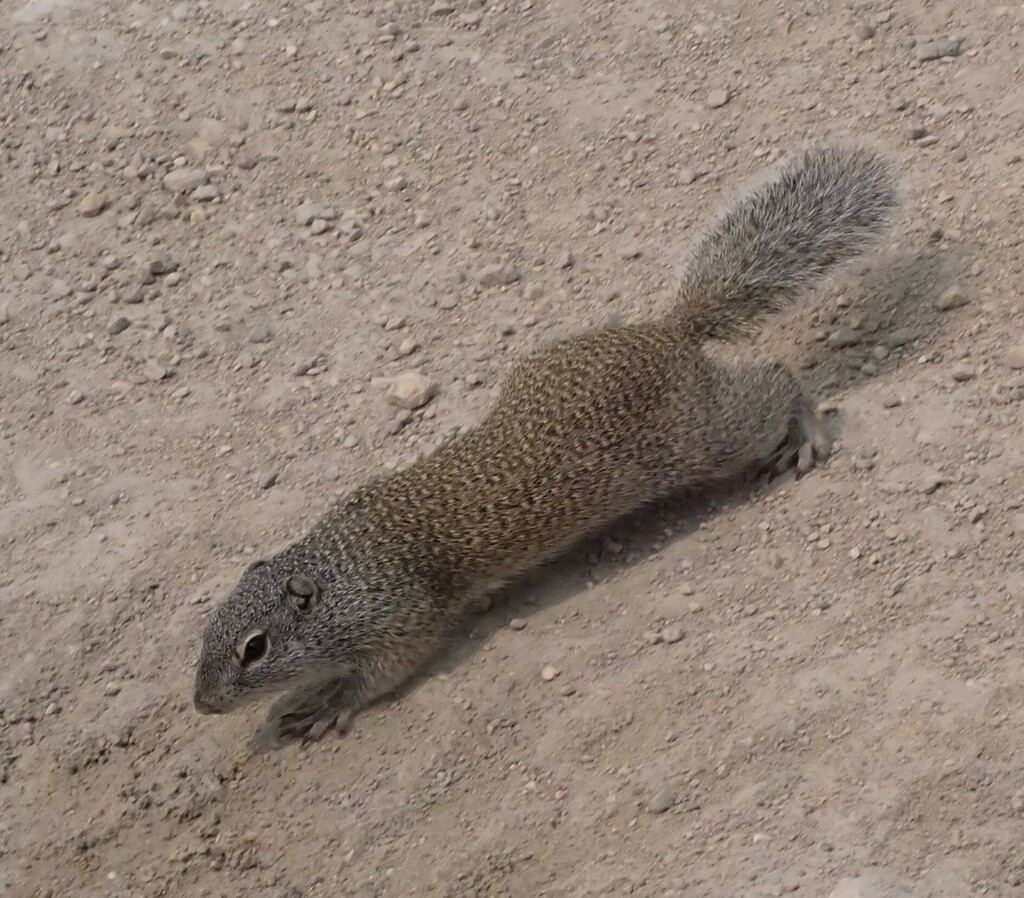
Mexican Ground Squirrel
NATURAL CONTEXTMexican Ground SquirrelGood husbandry supports health, but it does not replace examination, diagnostics or treatment when something is wrong.© Reximiliano, some rights reserved (CC BY-NC) · CC-BY-NC · VIEW SOURCE ↗

Build the veterinary plan before the emergency

USDA VETERINARY STANDARD — WHEN THE ANIMAL WELFARE ACT APPLIES

For Animal Welfare Act-regulated dealers and exhibitors, 9 CFR § 2.40 requires an attending veterinarian and an adequate veterinary-care program, including disease prevention/treatment, daily observation and access to emergency, weekend and holiday care. A private pet owner is not automatically covered by that dealer/exhibitor rule, but the practical standard is still useful: establish an exotics veterinarian before illness, keep baseline records and know where emergency care is available.

Identify an exotics veterinarian willing and able to see the exact species, and keep the clinic’s normal and after-hours numbers with the carrier. Bring a current food list, body-weight history, photos of the enclosure, medication list and a fresh stool sample if requested. For older or medically complex animals, ask the veterinarian how often routine examinations should occur.

Seek prompt veterinary help for

  • Difficulty breathing, collapse, seizure or major trauma.
  • Sudden inability to eat, chew or swallow.
  • Persistent diarrhea, repeated gagging or choking-like behavior, or severe abdominal distention.
  • Major weight loss, dehydration, marked weakness or abnormal body temperature.
  • Eye injury, facial swelling, suspected fracture, deep bite wound or uncontrollable bleeding.
  • Any abrupt change from normal that persists or is accompanied by pain.
VISUAL CONTEXT

Use the whole environment as part of care

As you finish the care plan, check that food, structure, routine and safety still support the animal as a living, moving squirrel—not just an occupant of a cage.

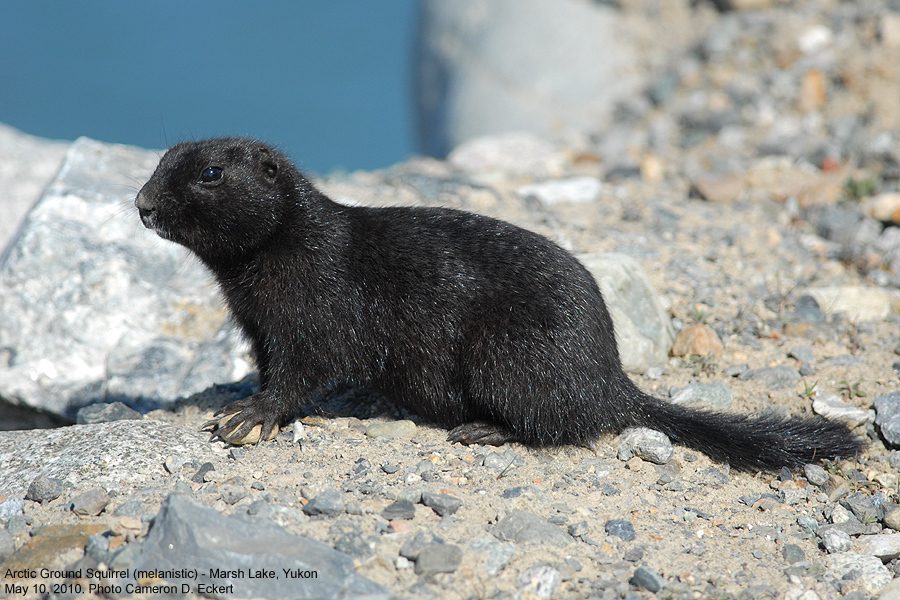
Arctic Ground Squirrel
NATURAL CONTEXTArctic Ground SquirrelKeep transport equipment and a concise history ready so veterinary care is easier during an urgent visit.© Cameron Eckert, some rights reserved (CC BY-NC) · CC-BY-NC · VIEW SOURCE ↗
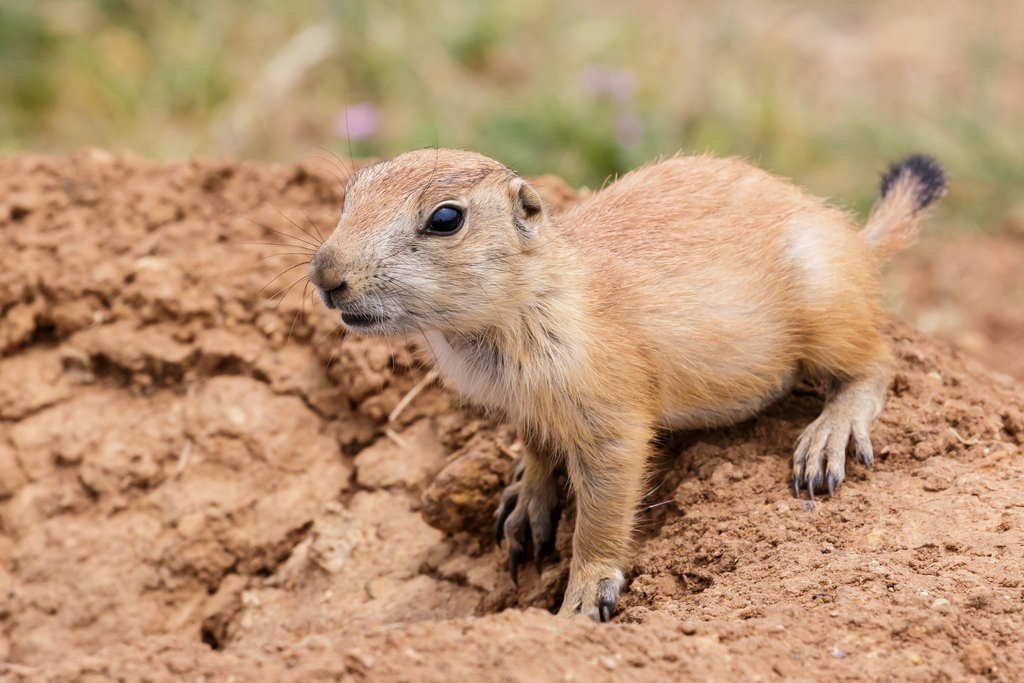
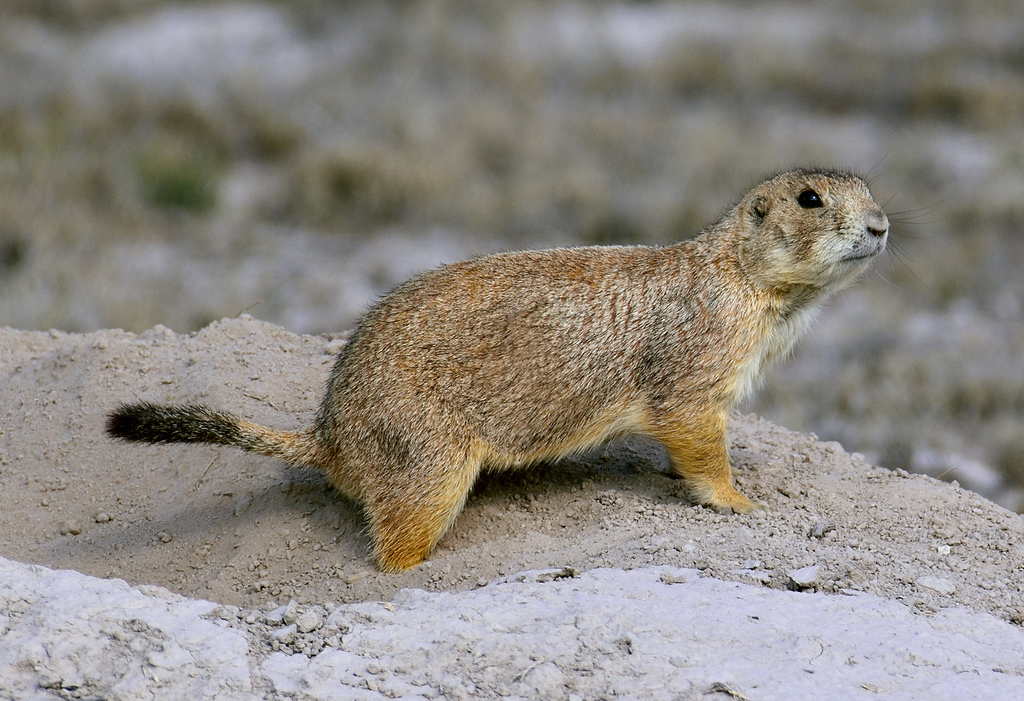
Black-tailed Prairie Dog
NATURAL CONTEXTBlack-tailed Prairie DogLong-term records make gradual changes in weight, appetite or behavior easier to recognize.© Meghan Cassidy, some rights reserved (CC BY-SA) · CC-BY-SA · VIEW SOURCE ↗

Practical example

PRACTICAL EXAMPLE

A useful weekly baseline record

The point of a home log is not to diagnose disease. It gives the veterinarian a reliable “normal” to compare with when something changes.

  1. 01
    Weigh consistently: Use the same scale and similar time of day; record the number instead of relying on visual impressions.
  2. 02
    Observe before handling: Note appetite, breathing, posture, activity, social behavior and whether the animal is using the enclosure normally.
  3. 03
    Check mouth and face: Look for drooling, swelling, food dropping, changed chewing or obvious incisor misalignment without forcibly opening the mouth.
  4. 04
    Record output: Note stool/urine changes and any persistent wetness, diarrhea, blood or major reduction.
  5. 05
    Save useful media: A short video of abnormal breathing, gait, chewing or behavior can help an exotics veterinarian when the sign is intermittent.

Sources