GROUND SQUIRRELS CARE

Food & Nutrition

What to feed, what to limit, natural diet context, water, food hygiene and practical feeding examples.

COMPLETE CARE LIBRARY
VISUAL START

Food, foraging & body condition

Ground squirrels spend much of life on or below ground. Digging depth, horizontal room, substrate, lookout points and seasonal rhythms all matter.

California Ground Squirrel
NATURAL CONTEXTCalifornia Ground SquirrelNatural foraging posture is a reminder that meals should involve searching, chewing and variety rather than a single bowl.© Robert Levy, some rights reserved (CC BY-NC) · CC-BY-NC · VIEW SOURCE ↗
Rock Squirrel
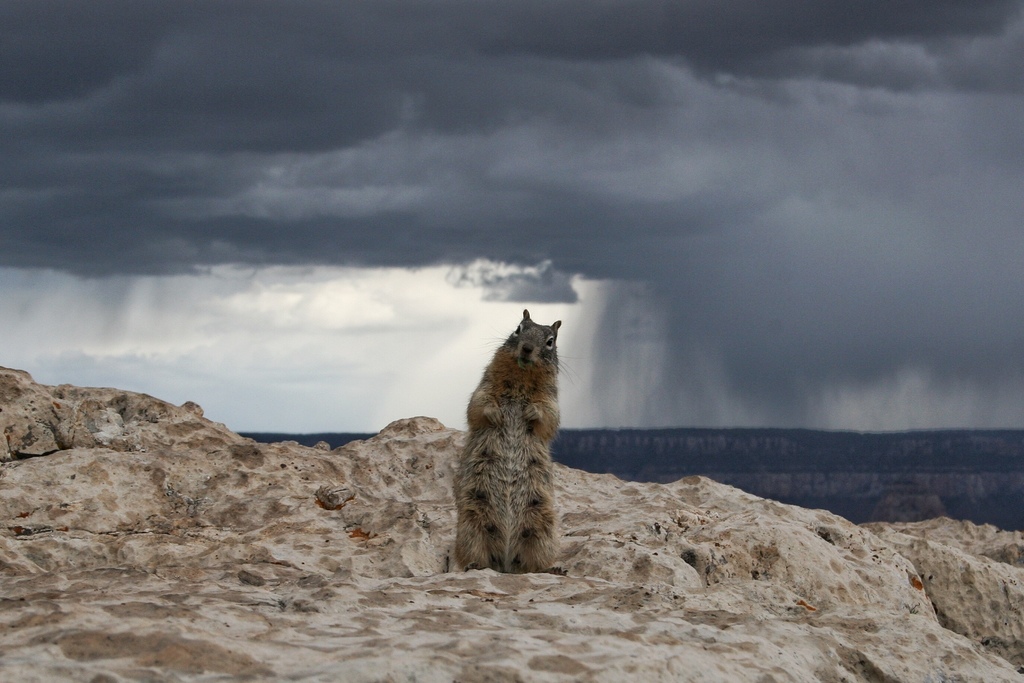
NATURAL CONTEXTRock SquirrelBody condition and activity matter as much as enthusiasm for favorite foods when judging a feeding plan.© Micah Lauer, some rights reserved (CC BY-NC) · CC-BY-NC · VIEW SOURCE ↗
Belding’s Ground Squirrel
NATURAL CONTEXTBelding’s Ground SquirrelSeasonal natural foods vary by species; use the photo as ecological context, not as a universal captive menu.© tgroo, some rights reserved (CC BY-NC) · CC-BY-NC · VIEW SOURCE ↗
Richardson's Ground Squirrel
NATURAL CONTEXTRichardson's Ground SquirrelFeeding should preserve species-appropriate work such as browsing, grazing, digging, caching or climbing.© Stephen B. Brown, some rights reserved (CC BY-NC) · CC-BY-NC · VIEW SOURCE ↗

Start with the natural diet

Many ground squirrels shift foods with the season. California ground squirrels feed heavily on green grasses and herbaceous plants after emergence, then shift toward seeds, grains and nuts as plants dry. Other species also take insects, eggs or other animal foods, so no single ground-squirrel menu fits every species.

Use natural history as the blueprint. Captive food still needs to be nutritionally complete and hygienic, but it should preserve the variety, fiber, chewing and foraging work the animal is built to do.
Species accuracy check

DO NOT COPY A GENERIC RODENT MENU

“Ground squirrel” is not one diet. California ground squirrels, for example, shift from green vegetation toward seeds/fruit as vegetation dries; other genera differ in plant/seed/insect use and dormancy. Build the menu from the exact species rather than from a generic seed mix.

VISUAL CONTEXT

Put the guidance into visual context

These are reference examples, not one-size-fits-all prescriptions. Use them to connect the written guidance to posture, movement and habitat.

Arctic Ground Squirrel
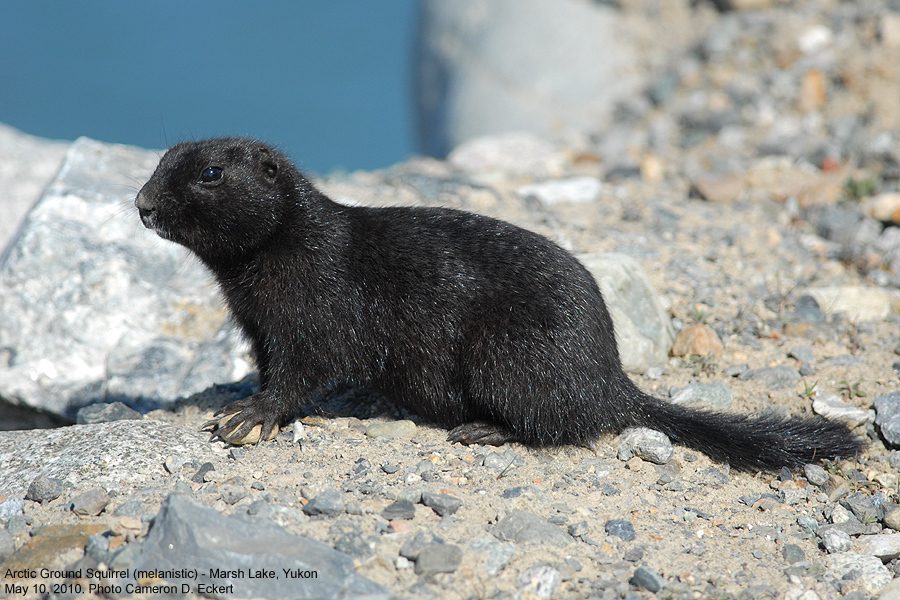
NATURAL CONTEXTArctic Ground SquirrelA varied environment encourages normal feeding behavior instead of teaching the animal to wait for treats.© Cameron Eckert, some rights reserved (CC BY-NC) · CC-BY-NC · VIEW SOURCE ↗
Columbian Ground Squirrel
NATURAL CONTEXTColumbian Ground SquirrelNatural habitat helps explain why fiber, browse and foraging time can matter as much as calories.© ebo2112, some rights reserved (CC BY-NC) · CC-BY-NC · VIEW SOURCE ↗

Build the captive diet

Use a suitable balanced pellet as the nutrient anchor, with hay and leafy greens where appropriate for the species. Add seasonally varied seeds or other natural foods in controlled amounts instead of using a rich seed mix as free-choice food.

  • Species-appropriate rodent or herbivore pellet
  • Grass hay for fiber and foraging where the species accepts it
  • Leafy greens, grasses and safe herbaceous plants
  • Measured seeds/grains during seasons or for species that naturally rely on them
  • Occasional invertebrate protein only for species known to use animal foods
VISUAL CONTEXT

Keep the animal’s natural behavior in view

The goal is not to copy a wild scene literally; it is to preserve the movement, choice, retreat and foraging opportunities the animal is adapted to use.

Washington Ground Squirrel
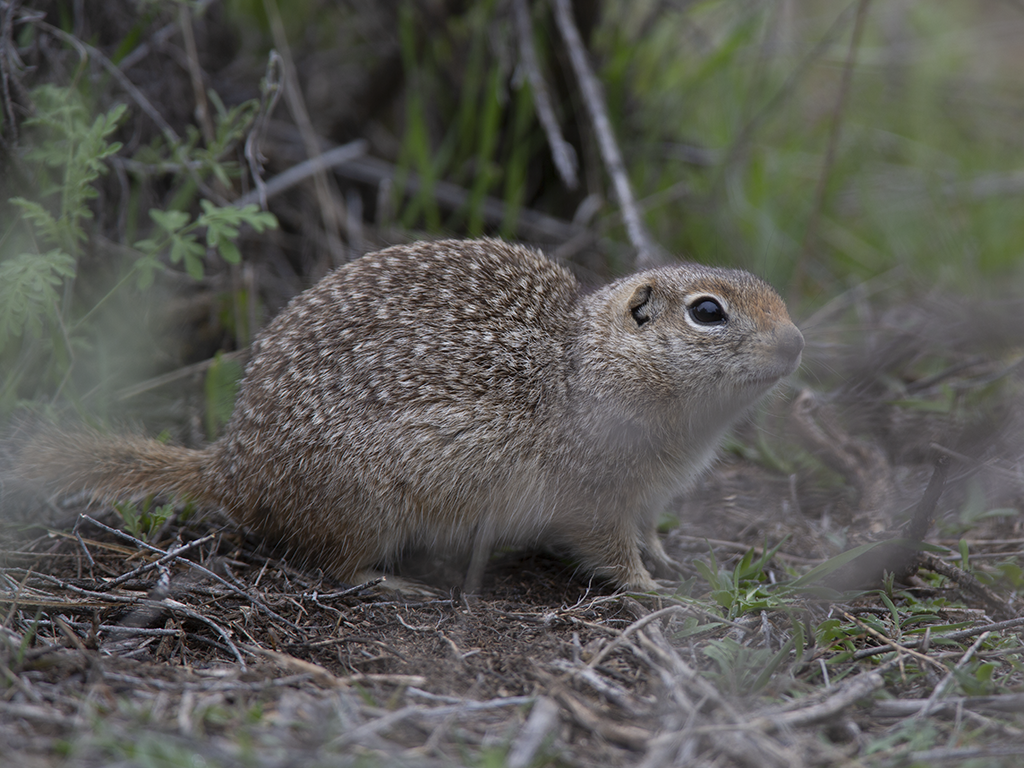
NATURAL CONTEXTWashington Ground SquirrelFood presentation can double as enrichment when safe portions are scattered, hidden or offered through natural structure.© TonyP_PNW, some rights reserved (CC BY-NC) · CC-BY-NC · VIEW SOURCE ↗
Franklin’s Ground Squirrel
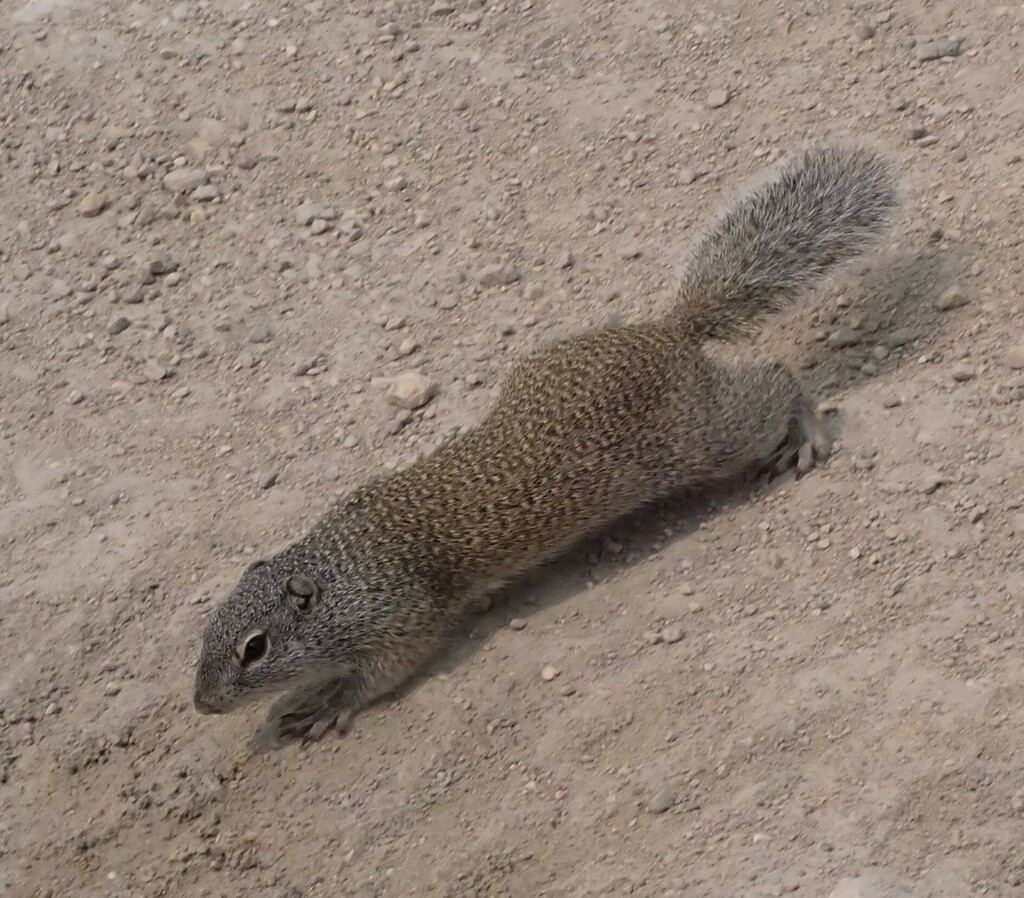
NATURAL CONTEXTFranklin’s Ground SquirrelWatch weight, stool, coat and activity over time; appetite alone cannot tell you whether the diet is balanced.© Brent Guinn, some rights reserved (CC BY-NC) · CC-BY-NC · VIEW SOURCE ↗

A practical feeding routine

PRACTICAL EXAMPLE

One-day feeding pattern

This is a workflow example rather than a fixed calorie chart. Portion size still depends on species, body size, health and veterinary guidance.

  1. 01
    Start with the dependable base. Offer the balanced staple when the animal is hungry rather than beginning with favorite treats.
  2. 02
    Add fresh natural variety. Use the species-appropriate greens, browse, forage or protein foods listed above.
  3. 03
    Make part of the meal take work. Scatter, hide or hang a measured portion instead of serving everything in one dish.
  4. 04
    Remove perishables and inspect caches. Anything damp, moldy or contaminated should be discarded.
  5. 05
    Judge the plan by condition. Appetite alone is not enough; watch body weight, muscle, stool, coat, activity and dental wear.

Foods to limit or avoid

Avoid assuming every ground squirrel is a seed-eater or every ground squirrel is a grazer. Avoid unlimited sunflower seed/nuts, sudden high-sugar produce, moldy grain, pesticide-treated vegetation and foods that cause selective feeding.

FAVORITE DOES NOT MEAN COMPLETE

High-value foods can make an animal look enthusiastic while the overall diet becomes deficient. A squirrel that fills up on nuts, seeds, fruit or treats may refuse the foods that supply needed fiber, minerals and protein.

VISUAL CONTEXT

Use the whole environment as part of care

As you finish the care plan, check that food, structure, routine and safety still support the animal as a living, moving squirrel—not just an occupant of a cage.

Golden-mantled Ground Squirrel
NATURAL CONTEXTGolden-mantled Ground SquirrelSpecies ecology should guide food choices and feeding style, especially when one group differs sharply from another.© Claudia Komesu, some rights reserved (CC BY-NC) · CC-BY-NC · VIEW SOURCE ↗
Cascade Golden-mantled Ground Squirrel
NATURAL CONTEXTCascade Golden-mantled Ground SquirrelClean water, fresh foods and prompt removal of spoiled caches are part of nutrition, not separate chores.© Wendy Feltham, some rights reserved (CC BY-NC) · CC-BY-NC · VIEW SOURCE ↗

Water, caches and food hygiene

  • Fresh water: keep clean water available unless an exotics veterinarian has directed otherwise for a medical reason.
  • Produce: wash fresh foods and remove uneaten perishable items before they spoil.
  • Wild foods: collect only positively identified foods from areas free of pesticides, road contamination and obvious wildlife feces.
  • Caches: respect normal caching behavior but inspect hidden food for moisture, mold, insects or rancidity.
  • Change slowly: major diet corrections are usually safer when transitioned deliberately while weight and stool are monitored.

Sources