


GROUND SQUIRRELS CARE

Daily Care & Routine

A repeatable daily and weekly routine for feeding, observation, sanitation, records and exercise.

COMPLETE CARE LIBRARY
VISUAL START

Daily routine & observation

Ground squirrels spend much of life on or below ground. Digging depth, horizontal room, substrate, lookout points and seasonal rhythms all matter.

European Ground Squirrel
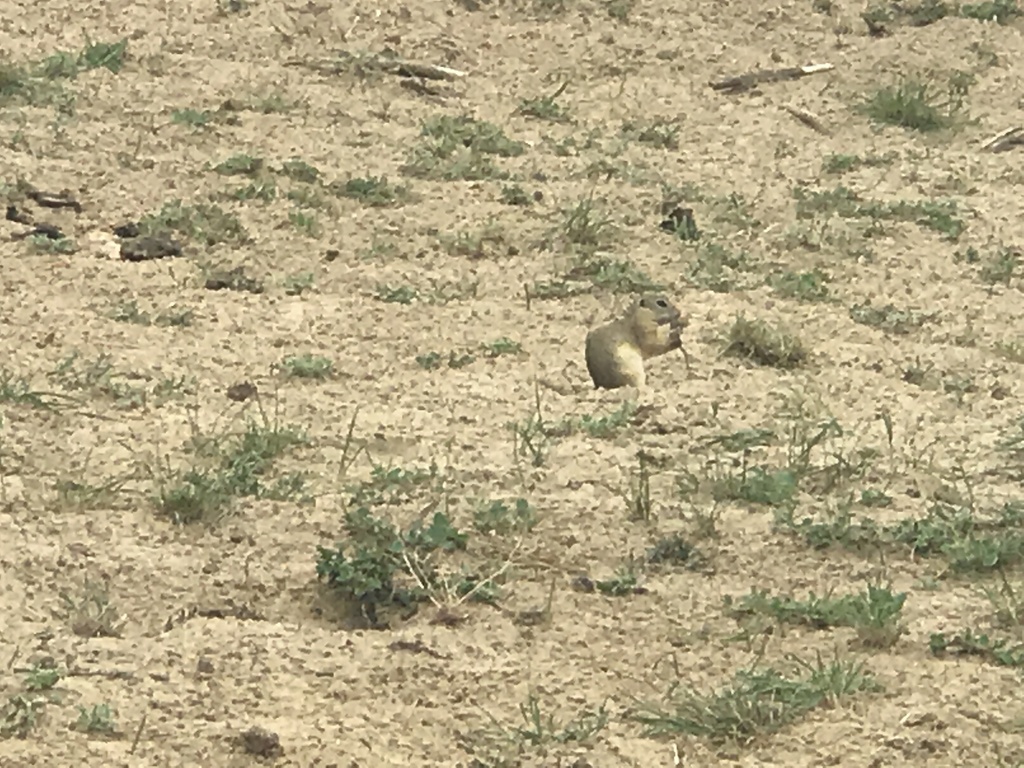
NATURAL CONTEXTEuropean Ground SquirrelDaily care starts with noticing what normal posture, movement and appetite look like for the individual.© Daniel Liepack, some rights reserved (CC BY-NC) · CC-BY-NC · VIEW SOURCE ↗
Daurian Ground Squirrel
NATURAL CONTEXTDaurian Ground SquirrelA predictable routine can reduce stress without making the environment sterile or inactive.© Yinglun Li, some rights reserved (CC BY-NC) · CC-BY-NC · VIEW SOURCE ↗
Asia Minor Ground Squirrel
NATURAL CONTEXTAsia Minor Ground SquirrelObserve before cleaning everything away; nests, caches and activity patterns provide useful information.© Hakan Gür, some rights reserved (CC BY-NC) · CC-BY-NC · VIEW SOURCE ↗
Yellow Ground Squirrel
NATURAL CONTEXTYellow Ground SquirrelRefresh food and water while preserving safe familiar structure whenever sanitation does not require removal.© Vladimir Yu. Arkhipov, some rights reserved (CC BY-NC) · CC-BY-NC · VIEW SOURCE ↗

Start every day with observation

Check burrows and food caches without destroying every tunnel each day. Spot-clean waste and wet substrate, refresh water, offer the balanced ration, then distribute forage so the animal has to search and dig.

Do the visual health check before changing the enclosure. That way you see what the animal actually did overnight or during its active period rather than what remains after everything is cleaned.


VISUAL CONTEXT

Put the guidance into visual context

These are reference examples, not one-size-fits-all prescriptions. Use them to connect the written guidance to posture, movement and habitat.

California Ground Squirrel
NATURAL CONTEXTCalifornia Ground SquirrelUse daily checks to catch changes in movement, breathing, coat, eyes, stool, urine or food intake early.© Robert Levy, some rights reserved (CC BY-NC) · CC-BY-NC · VIEW SOURCE ↗
Rock Squirrel
NATURAL CONTEXTRock SquirrelThe enclosure should still invite normal movement every day rather than becoming a static holding space.© Micah Lauer, some rights reserved (CC BY-NC) · CC-BY-NC · VIEW SOURCE ↗

Daily care checklist

  1. 01
    Observe before opening. Check posture, breathing, movement, alertness and whether the animal approaches food in its normal way.
  2. 02
    Check water and food use. Note what was eaten, what was cached and whether favorite foods were ignored.
  3. 03
    Spot-clean. Remove wet bedding, fecal buildup and spoiled food while leaving safe dry habitat structure intact.
  4. 04
    Inspect the enclosure. Look for chewed fasteners, loose wire, blocked tunnels, frayed fabric, sharp edges or damaged doors.
  5. 05
    Provide movement and foraging. Use the species’ active period for exercise and enrichment rather than only hand-feeding.
  6. 06
    Finish with a second quick check. Make sure the animal is dry, comfortable, eating normally and able to reach every essential resource.

Weekly and periodic jobs

  • Weigh or assess body condition on a consistent schedule. Frequency can be increased for juveniles, seniors or any animal with a health concern.
  • Inspect teeth and jaw symmetry. Watch for drooling, food dropping, chewing on one side or a wet chin.
  • Rotate enrichment and browse. Change the challenge without changing the entire habitat at once.
  • Deep-clean one zone at a time. Replace soiled substrate and inspect hidden areas for old food or structural damage.
  • Review supplies. Keep staple food, bedding, transport equipment and emergency veterinary information stocked.
VISUAL CONTEXT

Keep the animal’s natural behavior in view

The goal is not to copy a wild scene literally; it is to preserve the movement, choice, retreat and foraging opportunities the animal is adapted to use.

Belding’s Ground Squirrel
NATURAL CONTEXTBelding’s Ground SquirrelCleaning should remove waste and spoiled food without stripping every familiar scent and retreat at once.© tgroo, some rights reserved (CC BY-NC) · CC-BY-NC · VIEW SOURCE ↗
Richardson's Ground Squirrel
NATURAL CONTEXTRichardson's Ground SquirrelRecord weight or other baseline measures on a schedule appropriate for the animal and medical history.© Stephen B. Brown, some rights reserved (CC BY-NC) · CC-BY-NC · VIEW SOURCE ↗

Keep a useful care record

A simple record is more valuable than memory when something changes. Record body weight or condition, staple food offered/eaten, unusual treats, stool/urine changes, medications, molts, aggressive episodes, injuries and veterinary visits. Photos taken from the same angle can document gradual body-condition or dental changes.

VISUAL CONTEXT

Use the whole environment as part of care

As you finish the care plan, check that food, structure, routine and safety still support the animal as a living, moving squirrel—not just an occupant of a cage.

Arctic Ground Squirrel
NATURAL CONTEXTArctic Ground SquirrelQuiet observation is often more informative than unnecessary handling.© Cameron Eckert, some rights reserved (CC BY-NC) · CC-BY-NC · VIEW SOURCE ↗
Columbian Ground Squirrel
NATURAL CONTEXTColumbian Ground SquirrelDaily husbandry is a cycle of observe, refresh, clean, enrich and re-check—not just feeding.© ebo2112, some rights reserved (CC BY-NC) · CC-BY-NC · VIEW SOURCE ↗

Example daily rhythm

PRACTICAL EXAMPLE

A day that follows the animal—not the clock

Shift the times to match whether the species is diurnal, crepuscular or nocturnal.

  1. 01
    Start of active period: observe, refresh water, offer the balanced staple and remove spoiled food.
  2. 02
    Mid-active period: provide the main forage/enrichment activity and inspect movement, feet and coordination.
  3. 03
    Later: offer fresh browse/vegetables or other species-appropriate variety and check social interactions.
  4. 04
    Before rest: verify shelter/nest access, remove dangerous leftovers and make sure the enclosure is secure.
  5. 05
    Once recorded: note anything that differed from the individual’s normal pattern.

Sources