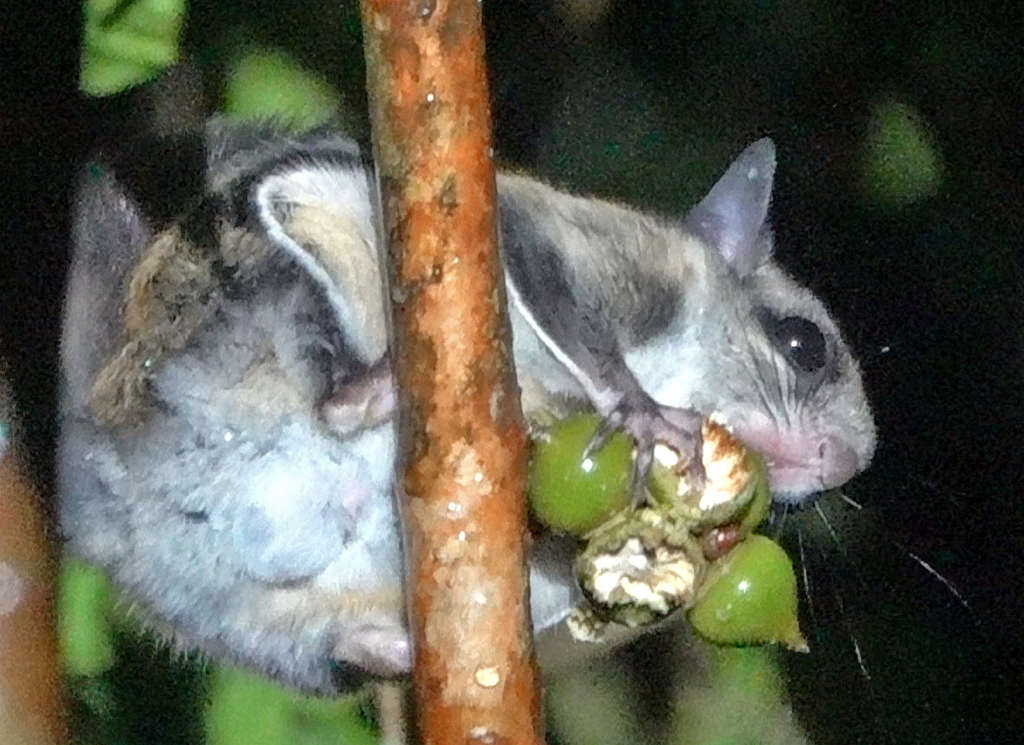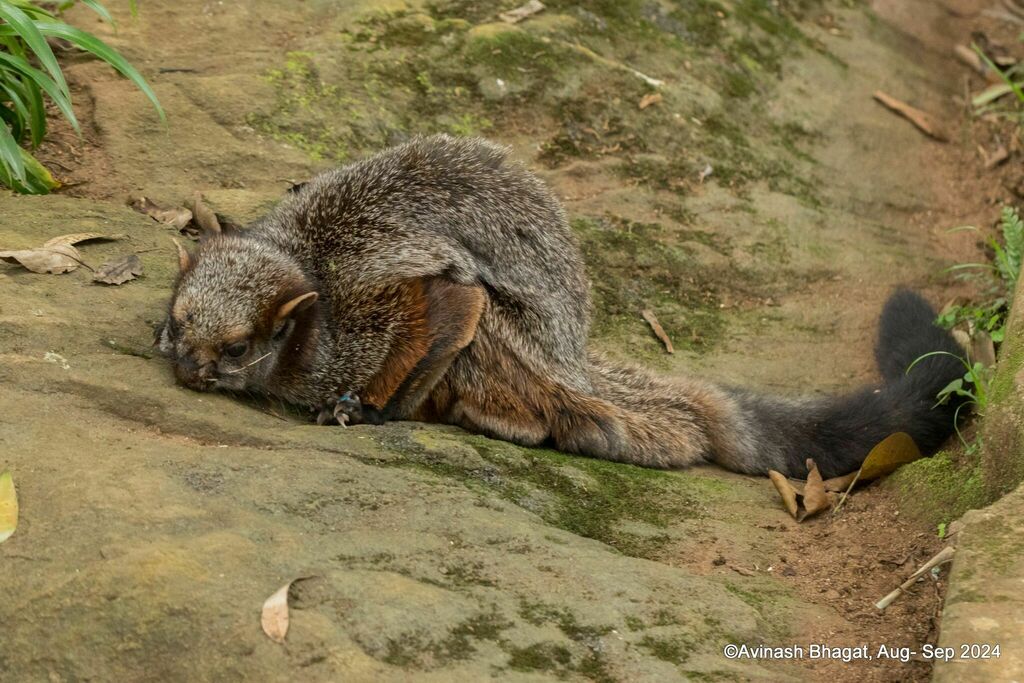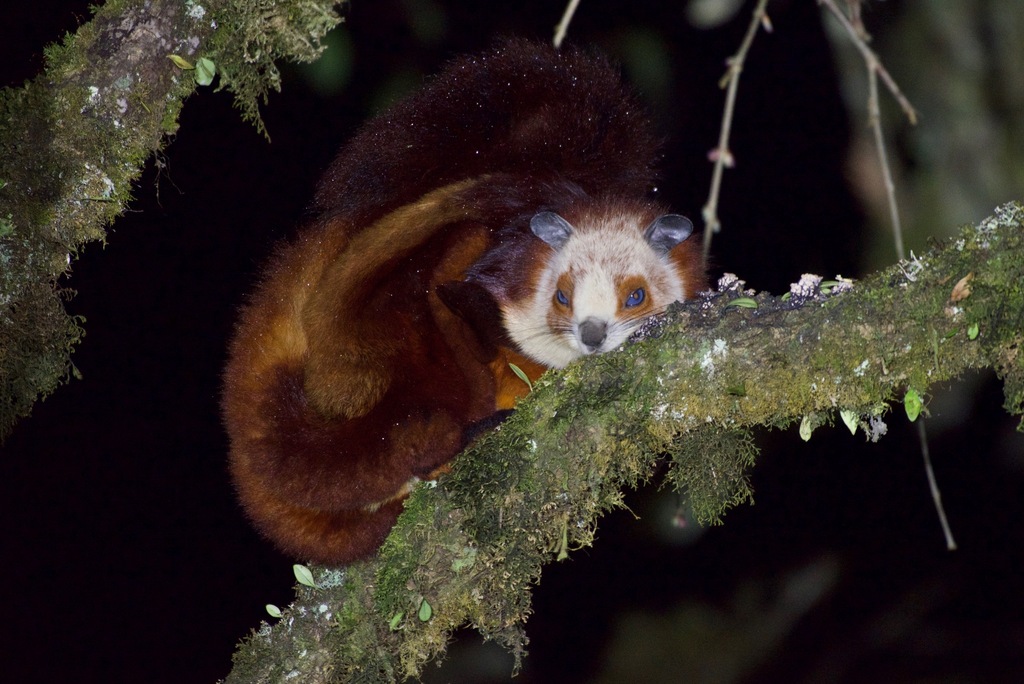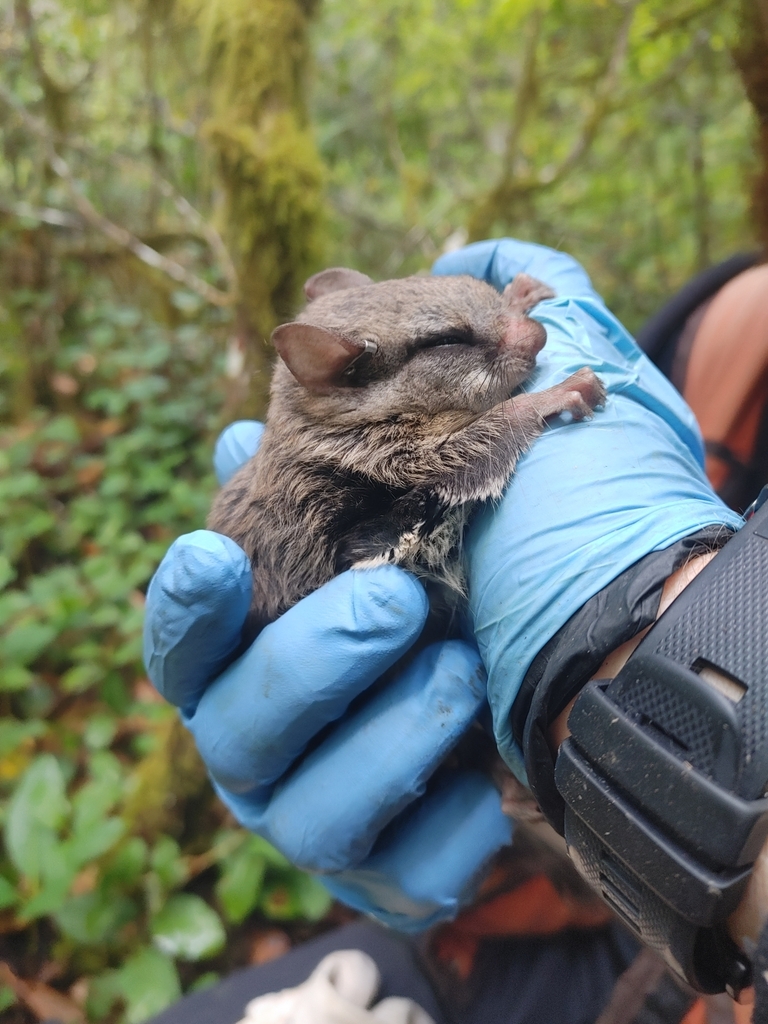
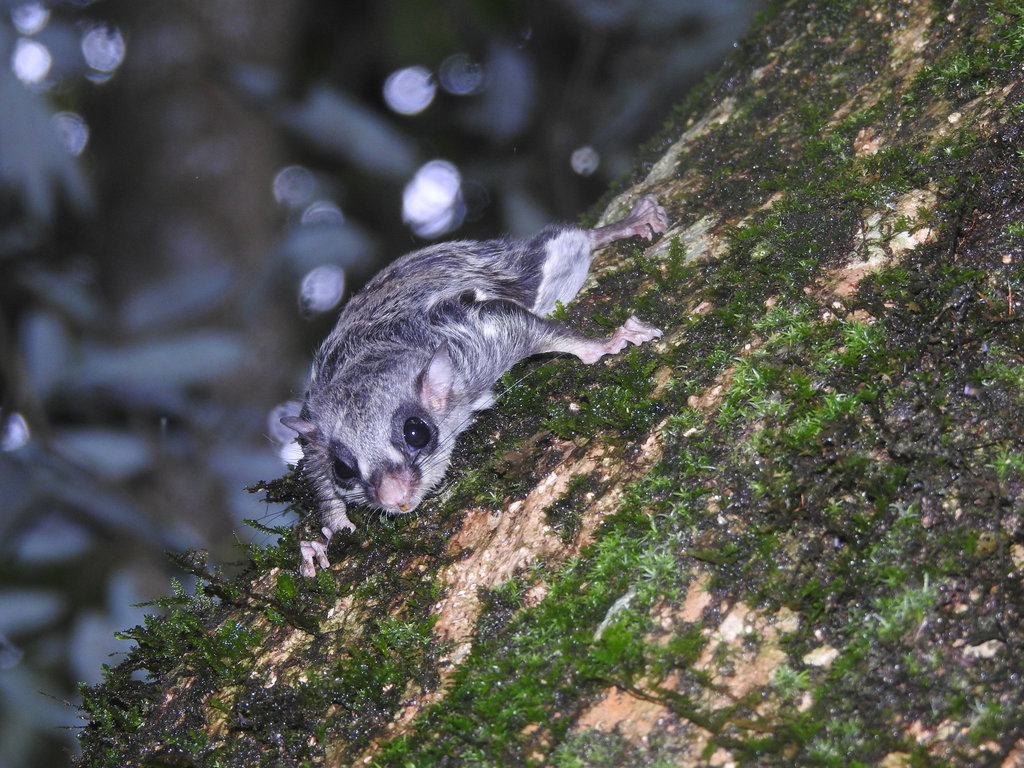
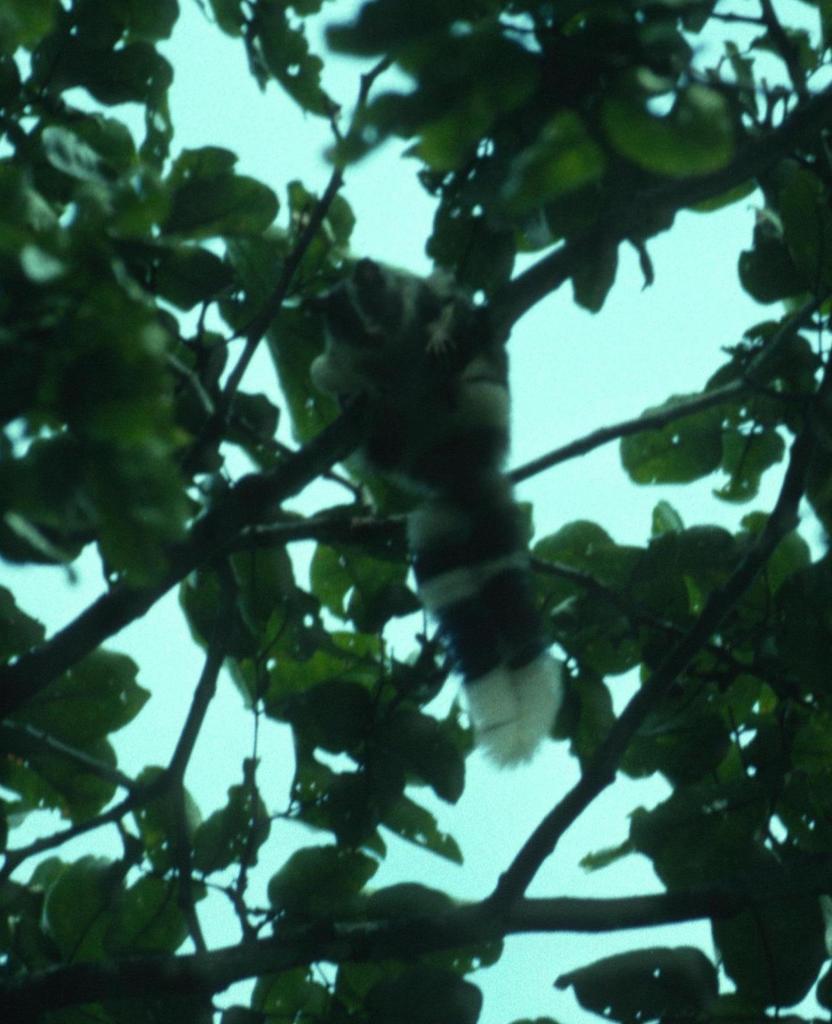
Southern and northern flying squirrels eat far more than nuts. Documented foods include nuts and seeds, berries and other fruits, leaf buds, bark, fungi, insects and other animal foods; northern flying squirrels can rely heavily on fungi and lichens in some habitats.
Food, foraging & body condition
Flying squirrels are nocturnal gliders. Vertical routes, safe launch and landing space, cavity-like retreats and low-stress night routines should shape husbandry.


Start with the natural diet
Species accuracy check
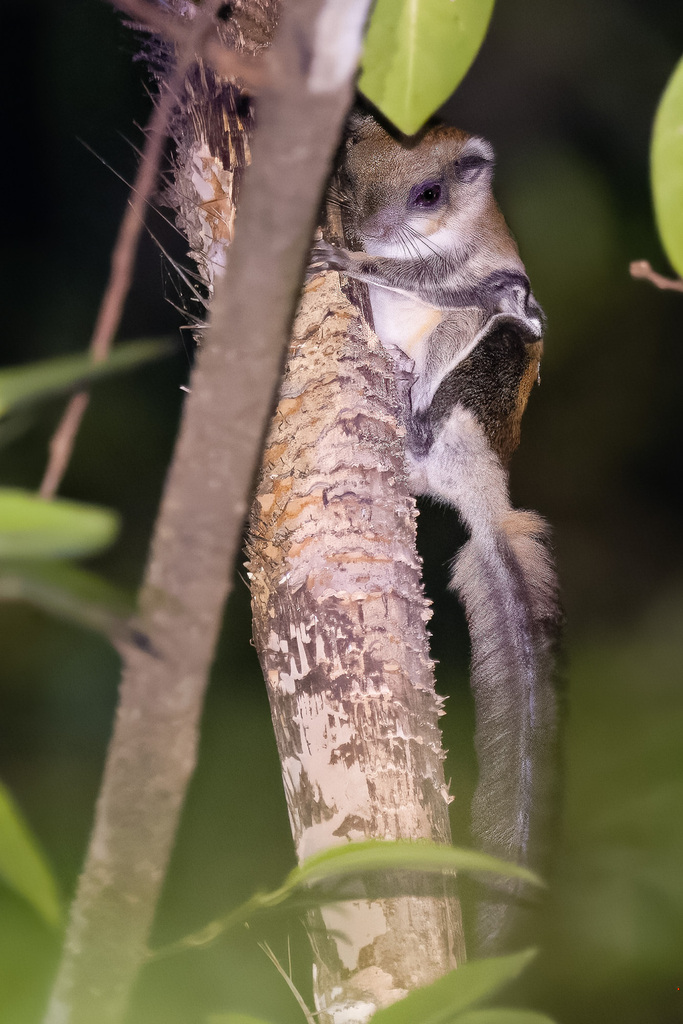
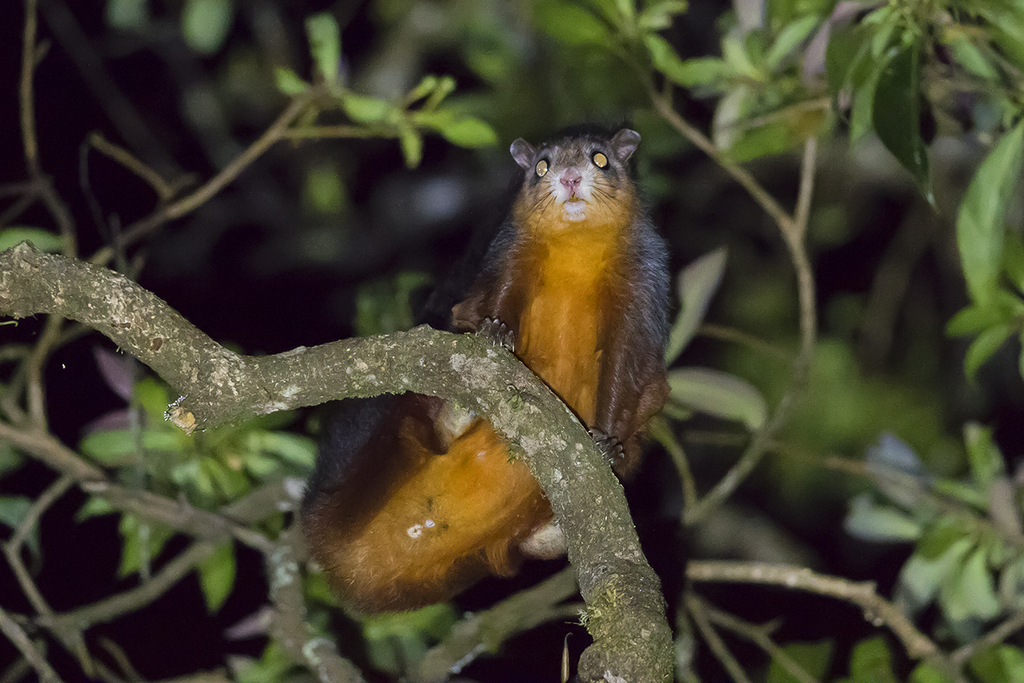
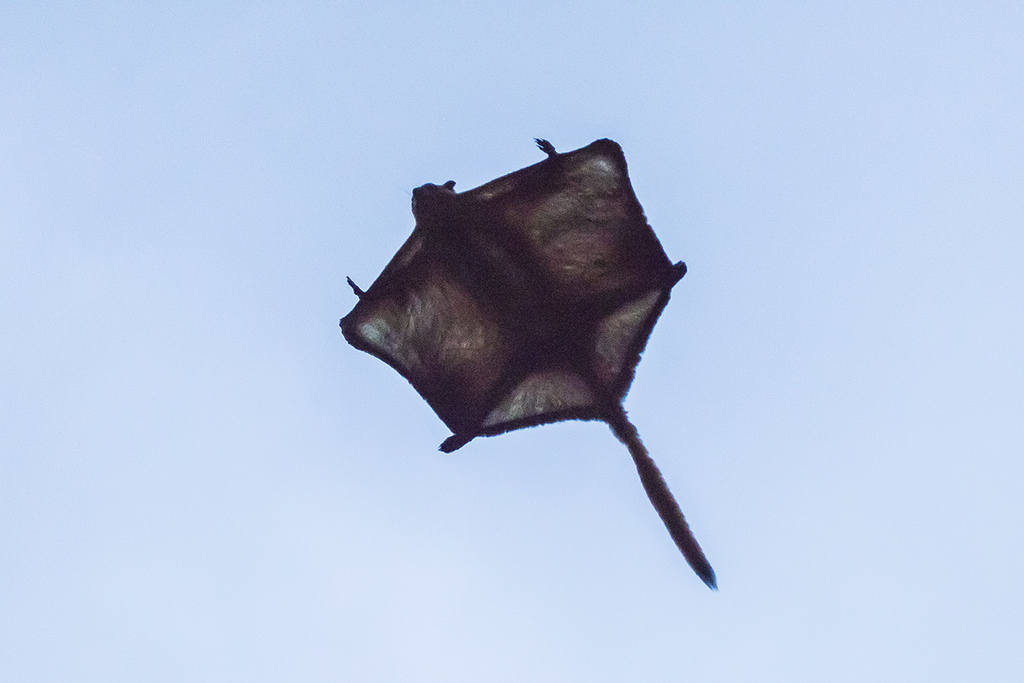
Put the guidance into visual context
These are reference examples, not one-size-fits-all prescriptions. Use them to connect the written guidance to posture, movement and habitat.
Build the captive diet
Use a balanced rodent/squirrel diet as the nutritional anchor and add varied plant foods, safe browse and appropriate protein foods. Nuts and fruit should add variety rather than dominate the diet.
- Balanced rodent/squirrel pellet or block as the dependable base
- Safe browse, buds, leafy vegetables and small amounts of fruit
- Edible cultivated mushrooms or other veterinarian-approved fungal foods when appropriate
- Small insect portions for species that naturally take substantial animal food
- Limited nuts/seeds offered through foraging rather than free-choice bowls
Keep the animal’s natural behavior in view
The goal is not to copy a wild scene literally; it is to preserve the movement, choice, retreat and foraging opportunities the animal is adapted to use.
Foods to limit or avoid
Avoid fruit-and-nut-only diets, unlimited sunflower seed, sugary treats, pesticide-exposed insects, unknown wild fungi and large abrupt diet changes.
High-value foods can make an animal look enthusiastic while the overall diet becomes deficient. A squirrel that fills up on nuts, seeds, fruit or treats may refuse the foods that supply needed fiber, minerals and protein.
Use the whole environment as part of care
As you finish the care plan, check that food, structure, routine and safety still support the animal as a living, moving squirrel—not just an occupant of a cage.
Water, caches and food hygiene
- Fresh water: keep clean water available unless an exotics veterinarian has directed otherwise for a medical reason.
- Produce: wash fresh foods and remove uneaten perishable items before they spoil.
- Wild foods: collect only positively identified foods from areas free of pesticides, road contamination and obvious wildlife feces.
- Caches: respect normal caching behavior but inspect hidden food for moisture, mold, insects or rancidity.
- Change slowly: major diet corrections are usually safer when transitioned deliberately while weight and stool are monitored.