CHIPMUNKS CARE

Seasonal & Long-Term Care

Molting, breeding behavior, dormancy/hibernation, aging and adapting the plan over years.

COMPLETE CARE LIBRARY
VISUAL START

Seasonal rhythm & long-term planning

Chipmunks combine burrowing, climbing, caching and strong seasonal behavior. Good care needs both ground-level complexity and usable vertical structure.

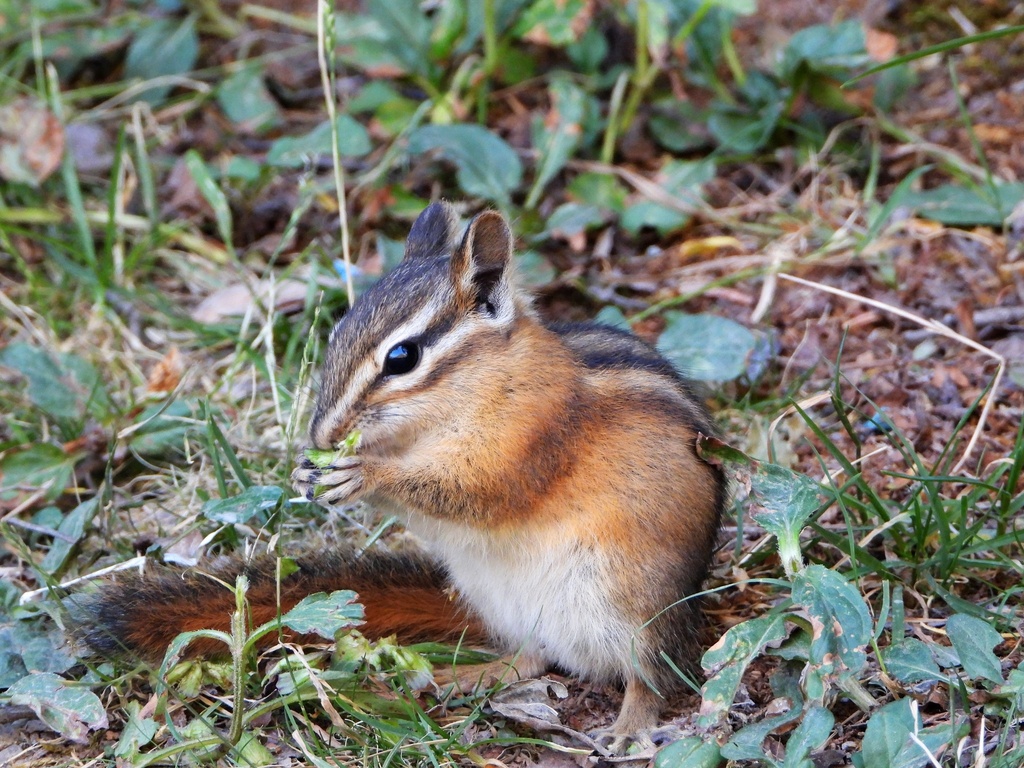
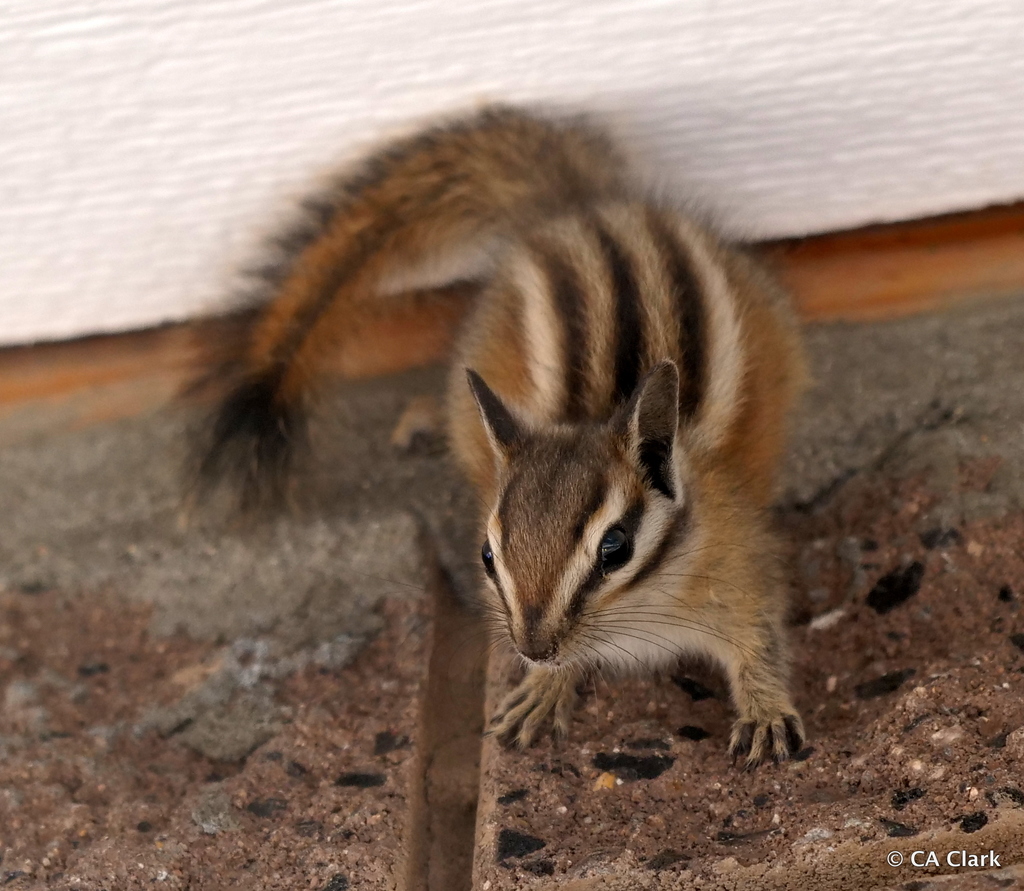
Lodgepole Chipmunk
NATURAL CONTEXTLodgepole ChipmunkSeason, temperature and day length can change activity, appetite, nesting and social behavior.© sea-kangaroo, some rights reserved (CC BY-NC-ND) · CC-BY-NC-ND · VIEW SOURCE ↗
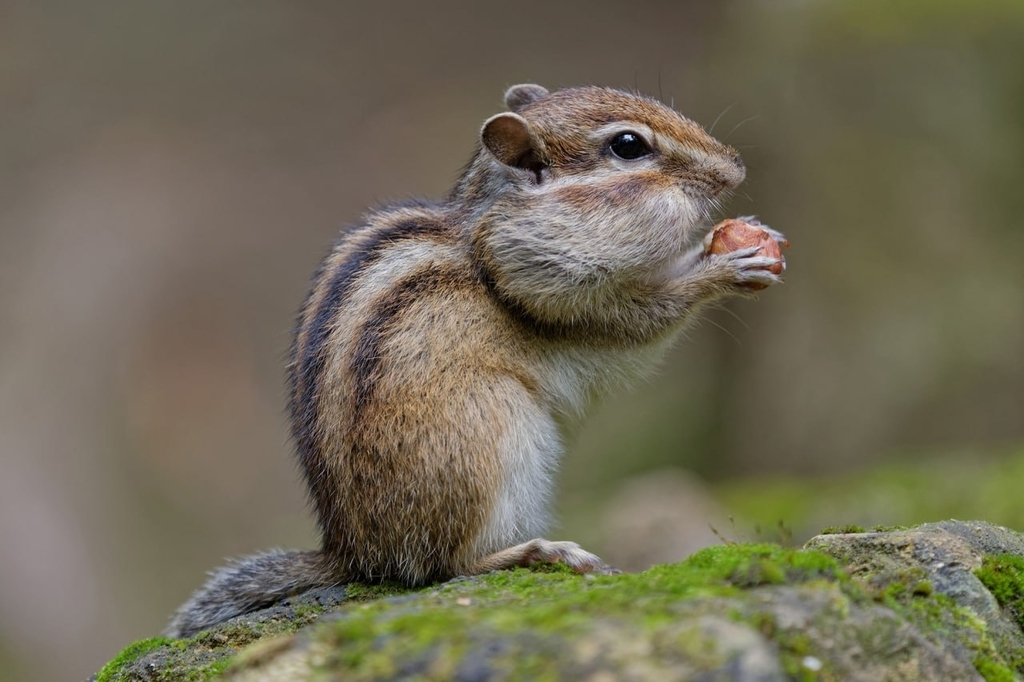
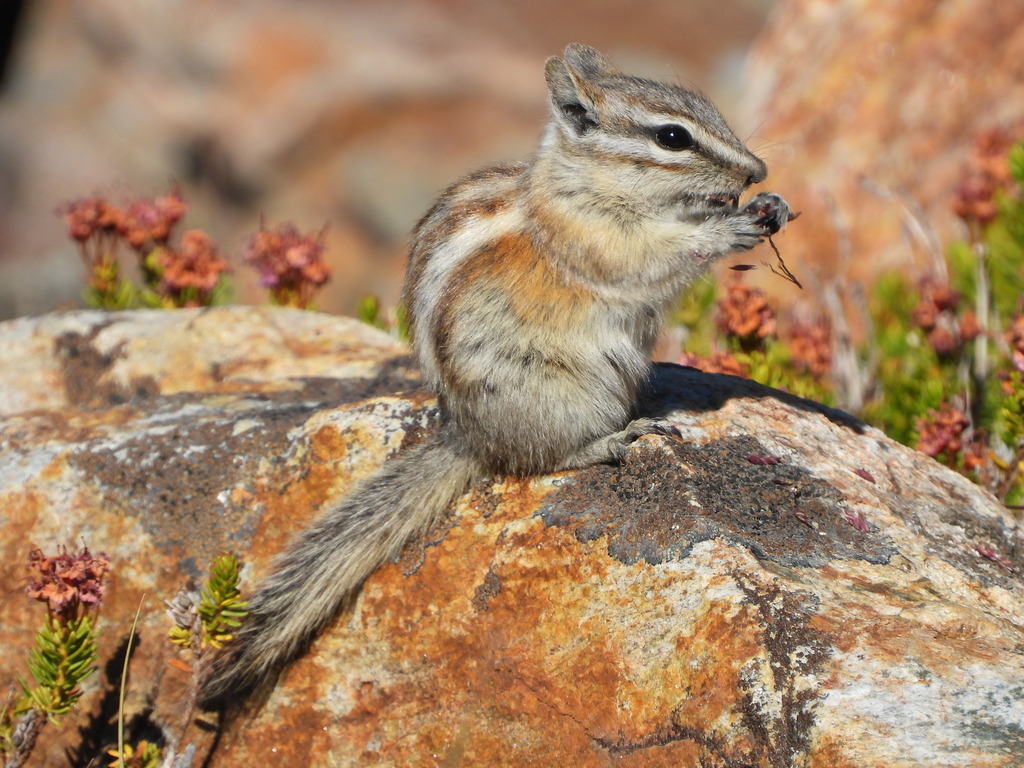
Alpine Chipmunk
NATURAL CONTEXTAlpine ChipmunkSome ground squirrels, chipmunks and marmots use torpor or hibernation; never force a generic winter routine.© Yinan Li, some rights reserved (CC BY-NC) · CC-BY-NC · VIEW SOURCE ↗
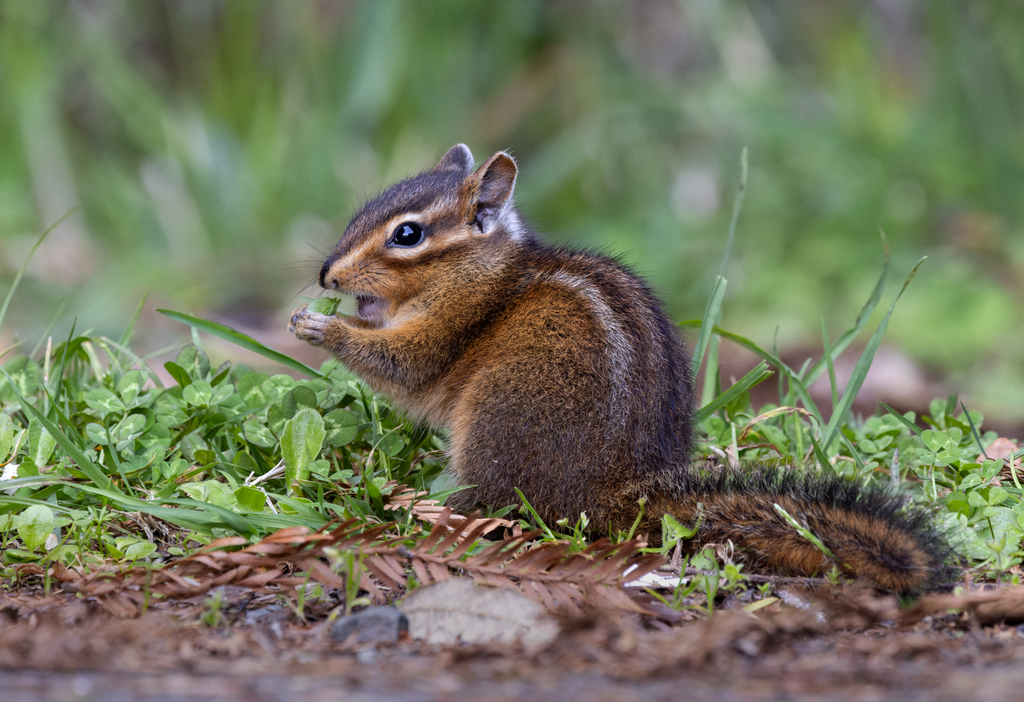
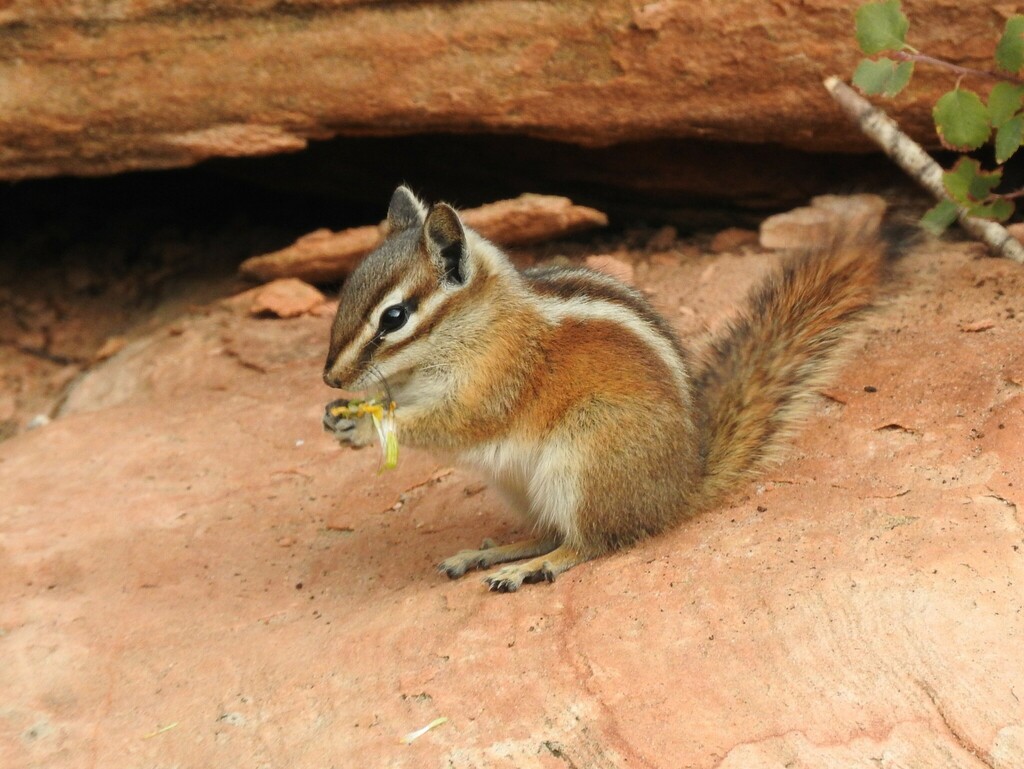
Townsend’s Chipmunk
NATURAL CONTEXTTownsend’s ChipmunkLong-term care planning must account for growth, aging and seasonal changes in activity.© Jim Boone, some rights reserved (CC BY-NC) · CC-BY-NC · VIEW SOURCE ↗
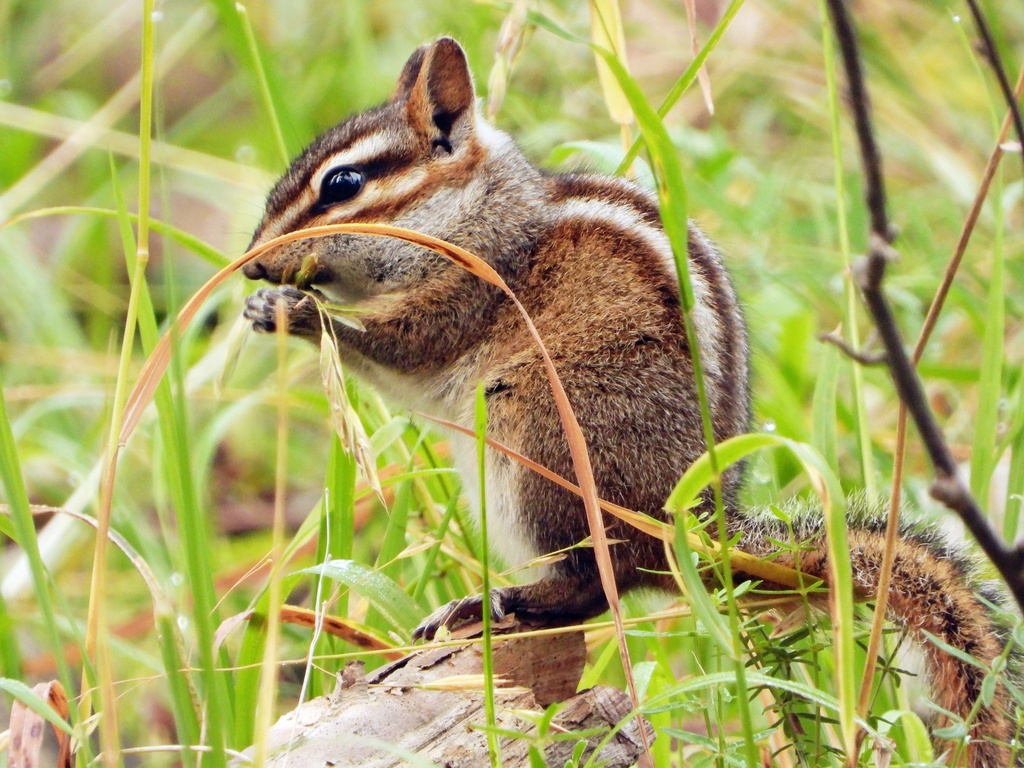
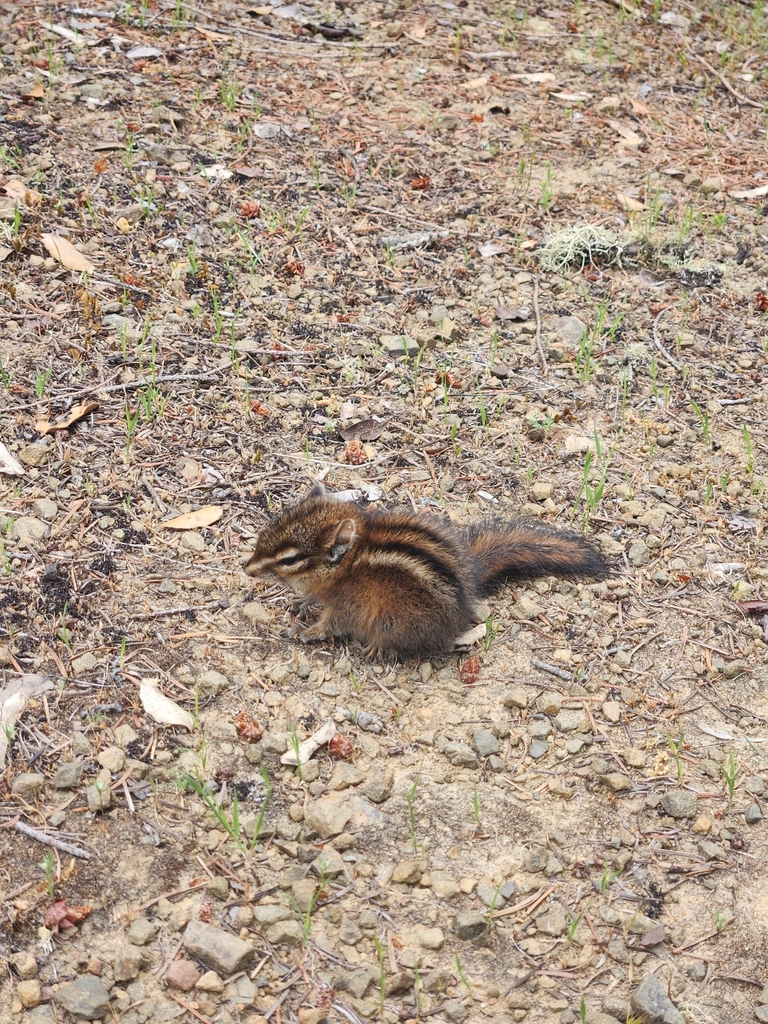
Uinta Chipmunk
NATURAL CONTEXTUinta ChipmunkOutdoor conditions and indoor climate both affect how much shelter, cooling or warmth an animal needs.© Alec Cowles, some rights reserved (CC BY-NC-ND) · CC-BY-NC-ND · VIEW SOURCE ↗

Plan for an annual cycle, not one permanent setting

Eastern chipmunks can spend winter in repeated torpor bouts rather than continuous deep hibernation, waking periodically to use stored food. Western species vary. Do not force dormancy in an animal whose species, health or seasonal history is uncertain.

Natural cycles can affect appetite, sleep, body weight, coat, social tolerance and activity. A long-term care plan should record these patterns so a normal seasonal change is not confused with illness—and illness is not dismissed as “just seasonal.”
Breeding-season and hormonal behavior

  • Expect behavior to change. Increased scent marking, vocalization, food guarding, nest defense or aggression can be seasonal.
  • Increase choice and distance. Add retreat routes, duplicate resources and reduce forced handling before escalating confrontation.
  • Do not punish natural behavior. Modify the environment and handling plan instead.
  • Discuss reproductive management with an exotics veterinarian. Long-term decisions depend on species, sex, health and legal status.
VISUAL CONTEXT

Put the guidance into visual context

These are reference examples, not one-size-fits-all prescriptions. Use them to connect the written guidance to posture, movement and habitat.

Sonoma Chipmunk
NATURAL CONTEXTSonoma ChipmunkSeasonal food availability in the wild is a reminder that behavior and appetite may not stay constant all year.© Viviana McKinley, some rights reserved (CC BY-NC) · CC-BY-NC · VIEW SOURCE ↗
Merriam’s Chipmunk
NATURAL CONTEXTMerriam’s ChipmunkPlan enclosure maintenance and major changes around the animal’s seasonal state when possible.© dalemeister, some rights reserved (CC BY-NC) · CC-BY-NC · VIEW SOURCE ↗

Dormancy and hibernation require species-level planning

Eastern chipmunks can spend winter in repeated torpor bouts rather than continuous deep hibernation, waking periodically to use stored food. Western species vary. Do not force dormancy in an animal whose species, health or seasonal history is uncertain.

DO NOT CREATE A GENERIC HIBERNATION SETUP

Different squirrel species use true hibernation, torpor, winter aggregation or no dormancy at all. Intentionally cooling an animal without an exact species plan can be dangerous.

VISUAL CONTEXT

Keep the animal’s natural behavior in view

The goal is not to copy a wild scene literally; it is to preserve the movement, choice, retreat and foraging opportunities the animal is adapted to use.

Red-tailed Chipmunk
NATURAL CONTEXTRed-tailed ChipmunkOlder animals may need easier routes and closer health monitoring even when the basic enclosure remains the same.© Yinan Li, some rights reserved (CC BY-NC) · CC-BY-NC · VIEW SOURCE ↗
Allen's Chipmunk
NATURAL CONTEXTAllen's ChipmunkLong-term welfare depends on keeping enrichment and movement opportunities useful as the animal changes.© My World of Bird Photography, some rights reserved (CC BY-NC) · CC-BY-NC · VIEW SOURCE ↗

Adjust care as the animal ages

  • Track body condition more closely. Older animals may lose muscle while gaining fat, so scale weight alone can mislead.
  • Shorten difficult jumps or climbs. Preserve activity while adding safer intermediate routes and softer landings.
  • Watch dental wear and chewing. Food preference changes can be an early dental sign.
  • Increase veterinary monitoring. Ask the exotics veterinarian whether older animals should be examined more often.
  • Keep enrichment achievable. The goal is continued choice and activity, not proving the animal can still do juvenile-level challenges.

Write a long-term care plan

  1. 01
    Food plan: staple diet, treat limits, seasonal forage and how body condition is monitored.
  2. 02
    Housing plan: normal enclosure plus backup housing for repairs, illness or separation.
  3. 03
    Veterinary plan: primary exotics clinic, emergency option and transport method.
  4. 04
    Seasonal plan: expected behavior/weight changes and clear thresholds that trigger a veterinary call.
  5. 05
    Continuity plan: identify another qualified caregiver who can take over if the primary caregiver is hospitalized, travels or can no longer provide care.
VISUAL CONTEXT

Use the whole environment as part of care

As you finish the care plan, check that food, structure, routine and safety still support the animal as a living, moving squirrel—not just an occupant of a cage.

Gray-footed Chipmunk
NATURAL CONTEXTGray-footed ChipmunkBackup plans for heat, cold, storms and power loss are part of year-round husbandry.© Yinan Li, some rights reserved (CC BY-NC) · CC-BY-NC · VIEW SOURCE ↗
Siberian Chipmunk
NATURAL CONTEXTSiberian ChipmunkTrack seasonal patterns over multiple years instead of assuming every change is a new medical problem.© Дмитрий, some rights reserved (CC BY-NC) · CC-BY-NC · VIEW SOURCE ↗

Practical example

PRACTICAL EXAMPLE

Build an annual record before changing the environment

Eastern chipmunks can use repeated torpor bouts and stored food rather than one uninterrupted winter sleep; western chipmunks vary. Do not extrapolate one species’ winter biology to all chipmunks.

  1. 01
    Track season and day length: Record meaningful changes in daylight exposure, indoor/outdoor location and ambient temperature.
  2. 02
    Track body condition: Record weight trend, appetite, food caching, coat and activity at regular intervals.
  3. 03
    Mark reproductive behavior: Note territoriality, scent marking, nest defense or social changes so the pattern can be compared year to year.
  4. 04
    Plan dormancy with the exact species: Do not intentionally cool, fast or induce torpor/hibernation without species-specific veterinary planning.
  5. 05
    Age-proof the habitat: As mobility changes, add safer intermediate routes and easier access to food/water while preserving daily movement.

Sources