Where it is found
The Red-legged Sun Squirrel is native to West and Central Africa.
Its range includes:
The species occurs across much of the West African forest belt and into Central Africa.
Heliosciurus rufobrachium
The Red-legged Sun Squirrel is native to West and Central Africa.
Its range includes:
The species occurs across much of the West African forest belt and into Central Africa.
Red-legged Sun Squirrels inhabit forest and woodland environments.
Typical habitats include:
They are adaptable and can also be found in human-modified areas with tree cover.
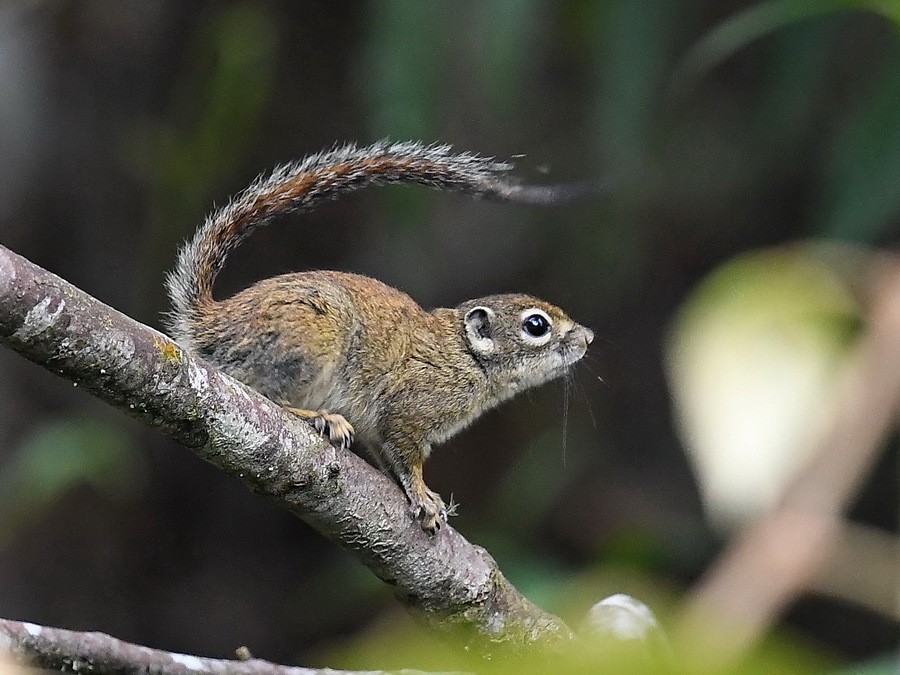
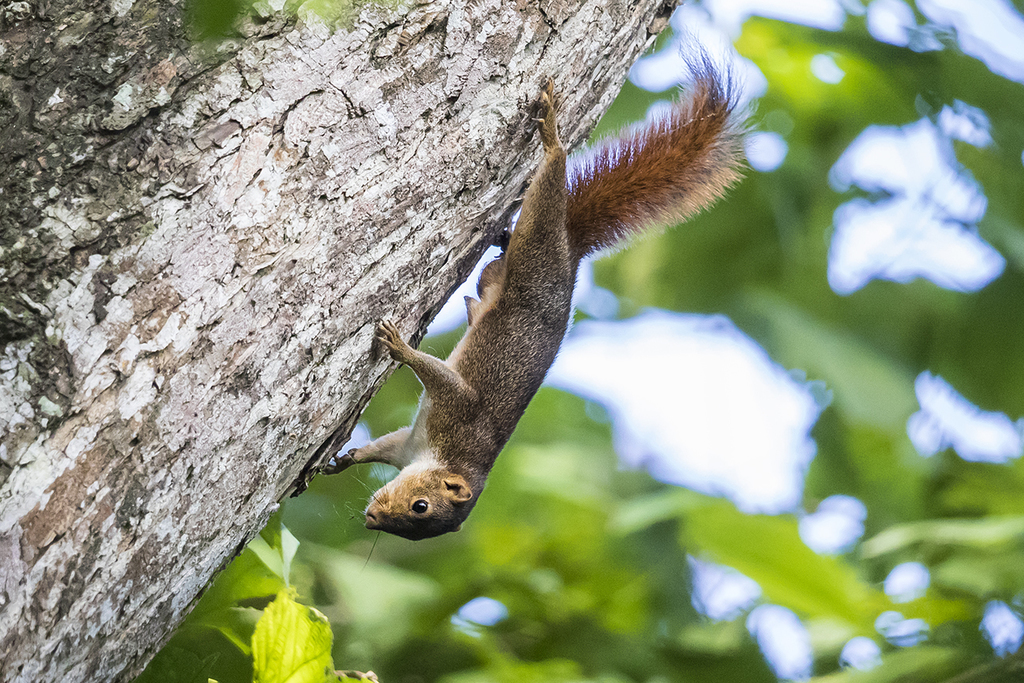
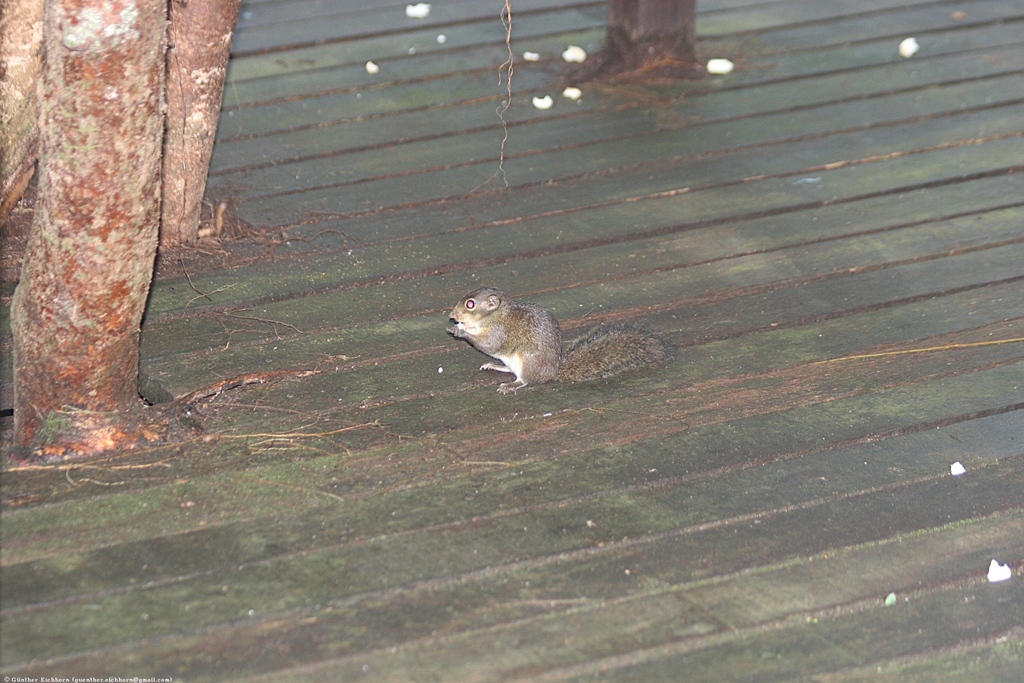
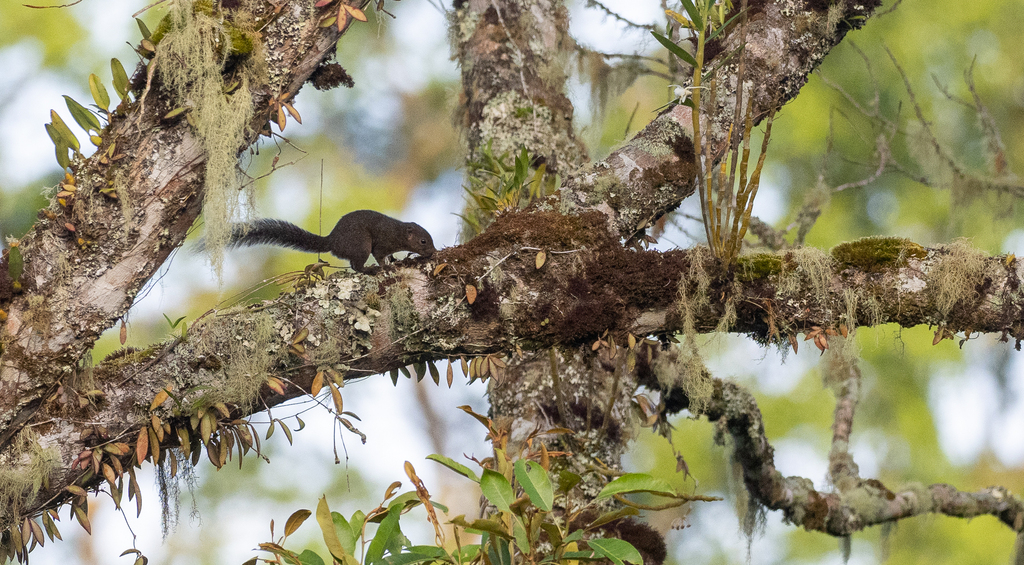
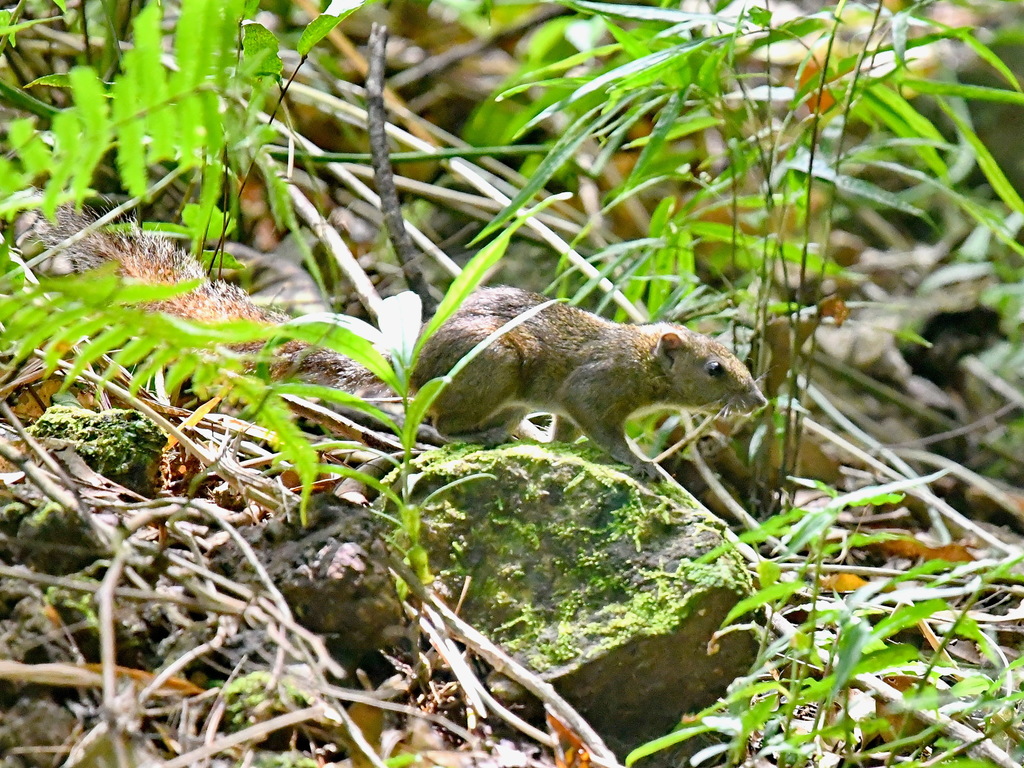
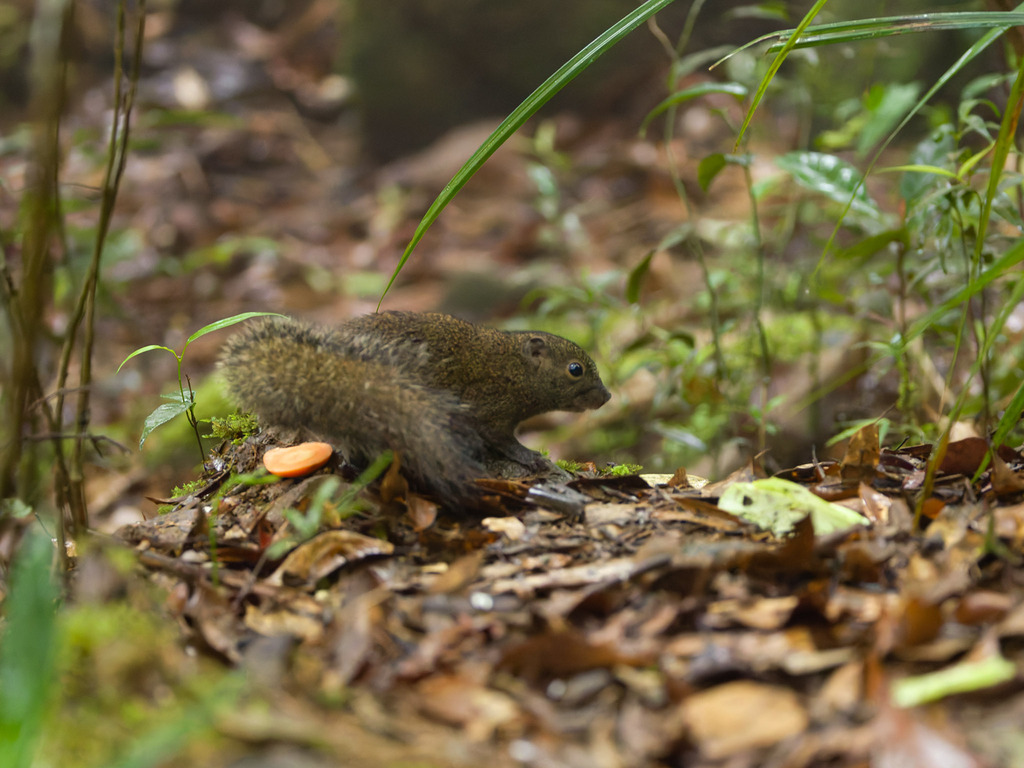
Related tree squirrels help break up the reference while showing how habitat, body form and movement can vary across the broader group.
Red-legged Sun Squirrels build nests known as dreys in trees.
Typical nest characteristics include:
They may also use tree cavities as shelter.
The species is named for its distinctive reddish coloration on the legs.
These are related tree squirrels, not photographs of Red-legged Sun Squirrel. Use them as visual context for locomotion, posture, feeding and environmental use.
Red-legged Sun Squirrels are diurnal and arboreal.
Typical behaviors include:
They are agile climbers adapted to dense forest environments.
Red-legged Sun Squirrels are omnivorous.
Common foods include:
Their feeding habits contribute to seed dispersal within forest ecosystems.
Squirrels in the same broad group can look and live very differently. These credited references provide comparison without changing the facts for Red-legged Sun Squirrel.
Young squirrels are raised in tree nests constructed from leaves and twigs.
Unknown
IUCN Status: Least Concern
The Red-legged Sun Squirrel is widespread and common across its range, with stable populations.