TREE SQUIRRELS · SPECIES PROFILE

Philippine Tree Squirrel

Sundasciurus philippinensis

Least Concern
Back to Tree Squirrels →
Body length20–24 cm (8–9 in)
Tail length18–24 cm (7–9 in)
Weight~250–350 g
Fur colorBrown to olive-brown
Breeding seasonUnknown
Gestation~40–45 days
01

Classification

KingdomAnimalia
PhylumChordata
ClassMammalia
OrderRodentia
FamilySciuridae
GenusSundasciurus
SpeciesSundasciurus philippinensis
NATIVE RANGE

Where it is found

The Philippine Tree Squirrel is native to the Philippines.

Its range includes several islands such as:

The species is endemic to the Philippine archipelago.

Luzon
Mindoro
Marinduque
Catanduanes
Polillo
HABITAT

Where it lives

Philippine Tree Squirrels inhabit tropical forest environments.

Typical habitats include:

They are commonly found in areas with dense canopy and abundant vegetation.

Lowland tropical rainforests
Secondary forests
Forest edges
Mangrove forests
Agricultural areas with tree cover
RANGE & HABITAT CONTEXT

Compare form, setting and structure

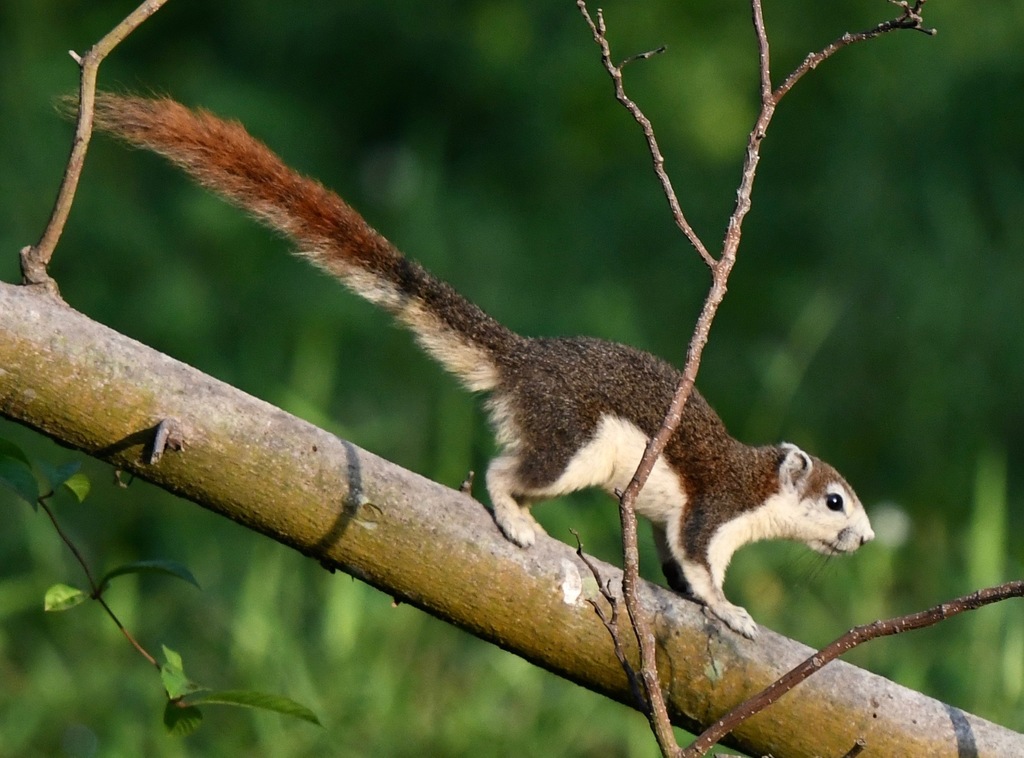
Related tree squirrels help break up the reference while showing how habitat, body form and movement can vary across the broader group.
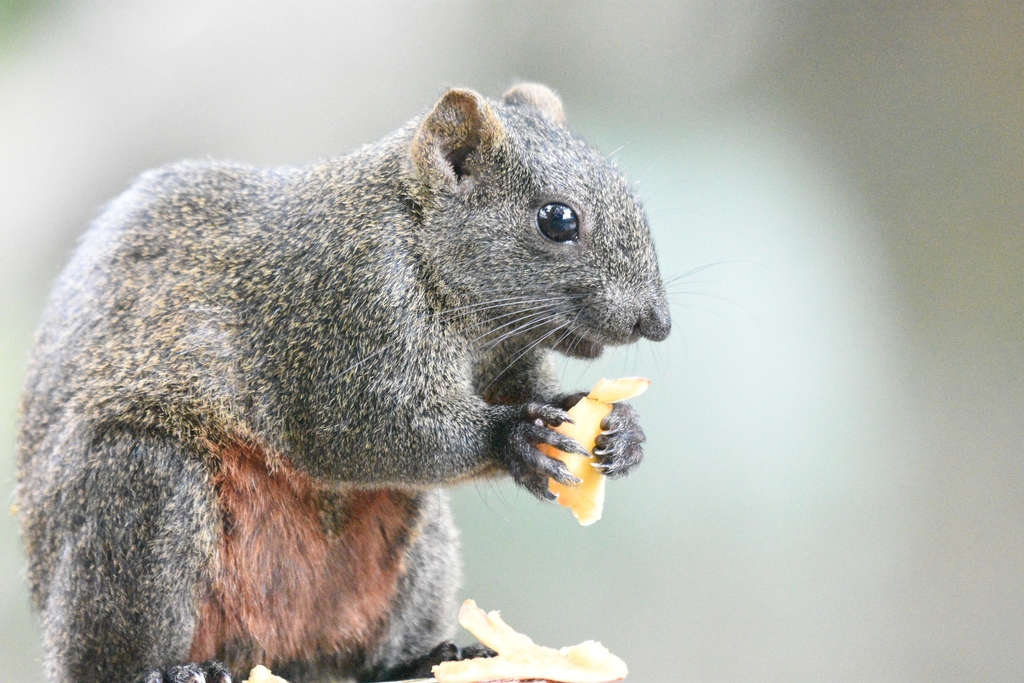
Pallas’s Squirrel — related tree squirrel visual context
RELATED TREE SQUIRRELPallas’s SquirrelCallosciurus erythraeus — related group reference for visual comparison; not Philippine Tree Squirrel.(c) belyykit, some rights reserved (CC BY-NC) · CC-BY-NC · VIEW SOURCE ↗
Finlayson’s Squirrel — related tree squirrel visual context
RELATED TREE SQUIRRELFinlayson’s SquirrelCallosciurus finlaysonii — related group reference for visual comparison; not Philippine Tree Squirrel.(c) marcelfinlay, some rights reserved (CC BY-NC) · CC-BY-NC · VIEW SOURCE ↗
03

Nest & Shelter

Philippine Tree Squirrels build nests known as dreys in trees.

Typical nest characteristics include:

They may also use tree cavities for shelter.

Constructed from twigs, leaves, bark fibers, and grass
Located in tree forks or dense branches
Positioned within the forest canopy
Used for resting and raising young
04

Physical Profile

Body length20–24 cm (8–9 in)
Tail length18–24 cm (7–9 in)
Weight~250–350 g
Fur colorBrown to olive-brown
BellyPale gray or cream
Distinct featureSlender body with subtle side markings
TailLong and bushy

Like other members of the Sundasciurus genus, it has a slender body adapted for climbing.

BEHAVIOR & FORAGING CONTEXT

Keep behavior connected to the animal

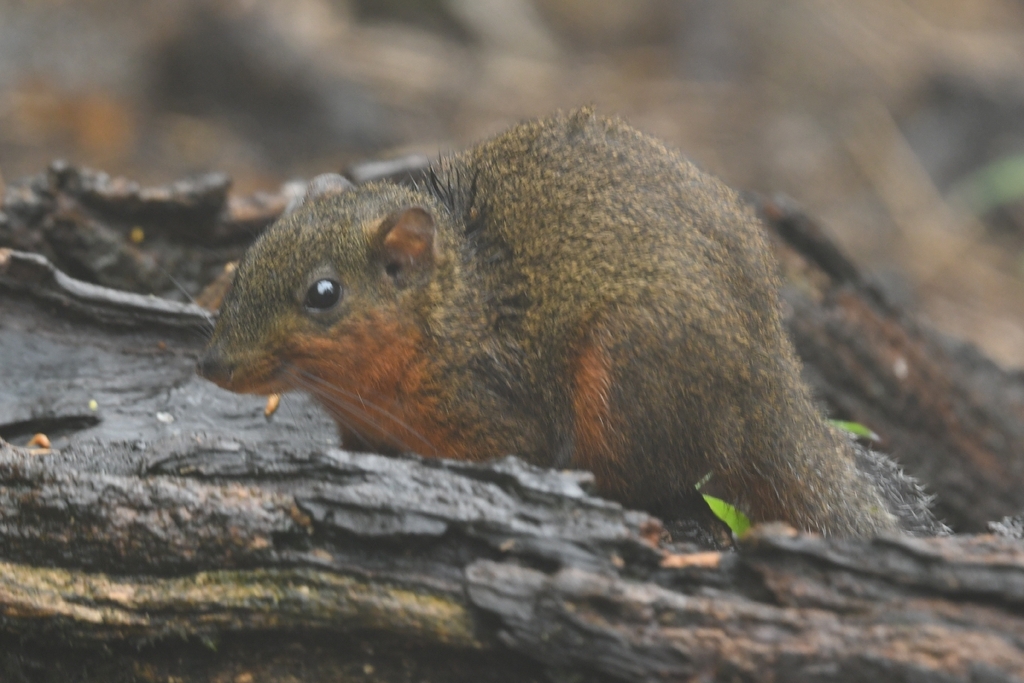
These are related tree squirrels, not photographs of Philippine Tree Squirrel. Use them as visual context for locomotion, posture, feeding and environmental use.
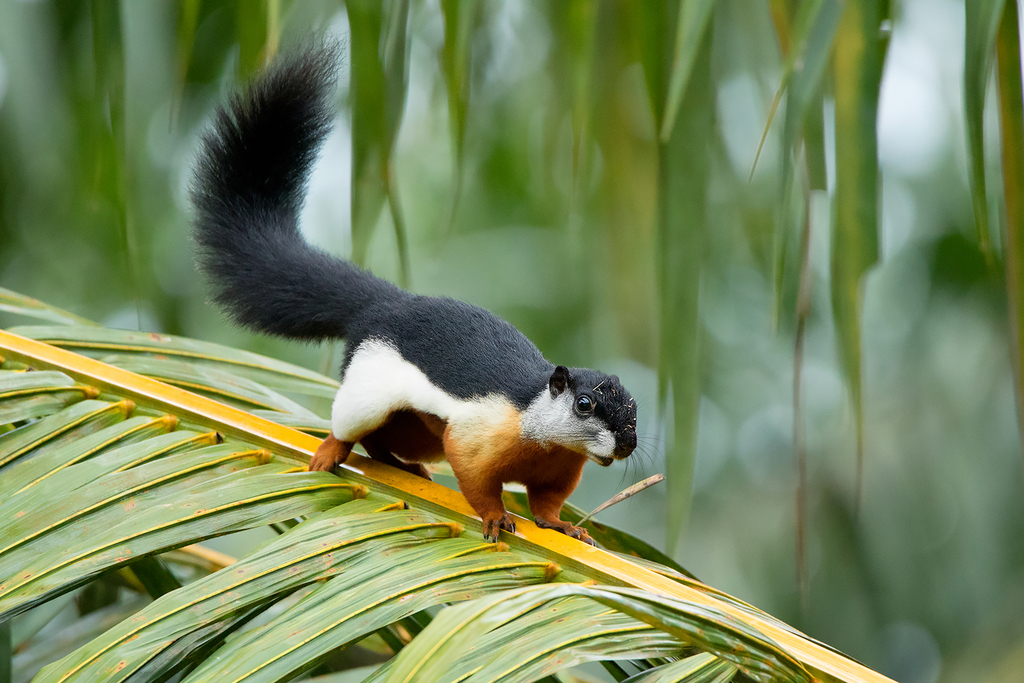
Prevost’s Squirrel — related tree squirrel visual context
RELATED TREE SQUIRRELPrevost’s SquirrelCallosciurus prevostii — related group reference for visual comparison; not Philippine Tree Squirrel.(c) ayuwat, some rights reserved (CC BY-NC) · CC-BY-NC · VIEW SOURCE ↗
Red-throated Squirrel — related tree squirrel visual context
RELATED TREE SQUIRRELRed-throated SquirrelDremomys gularis — related group reference for visual comparison; not Philippine Tree Squirrel.(c) Diep Dai Tung, some rights reserved (CC BY-NC) · CC-BY-NC · VIEW SOURCE ↗
BEHAVIOR

How it behaves

Philippine Tree Squirrels are diurnal and arboreal.

Typical behaviors include:

They are agile climbers well adapted to dense tropical forests.

Moving quickly through tree branches and canopy
Foraging among branches, vines, and forest understory
Living solitary or in pairs
Producing alarm calls when disturbed
DIET

What it eats

Philippine Tree Squirrels are omnivorous.

Common foods include:

Their feeding behavior contributes to seed dispersal in forest ecosystems.

Fruits
Seeds
Nuts
Tree buds
Bark
Fungi
Insects
GROUP DIVERSITY

See the wider group around this species

Squirrels in the same broad group can look and live very differently. These credited references provide comparison without changing the facts for Philippine Tree Squirrel.
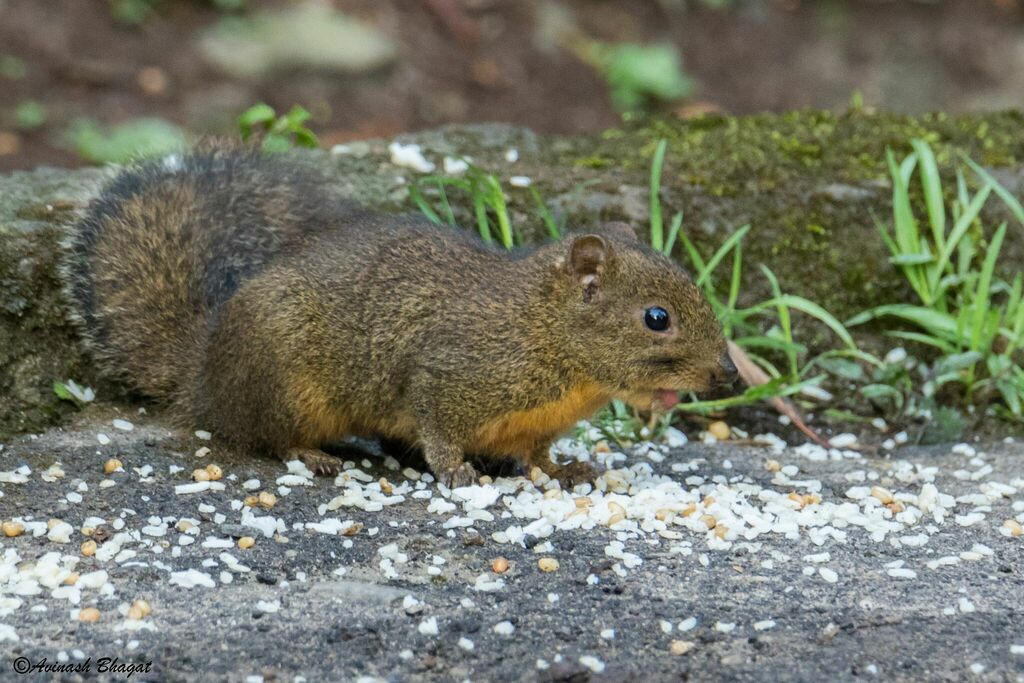
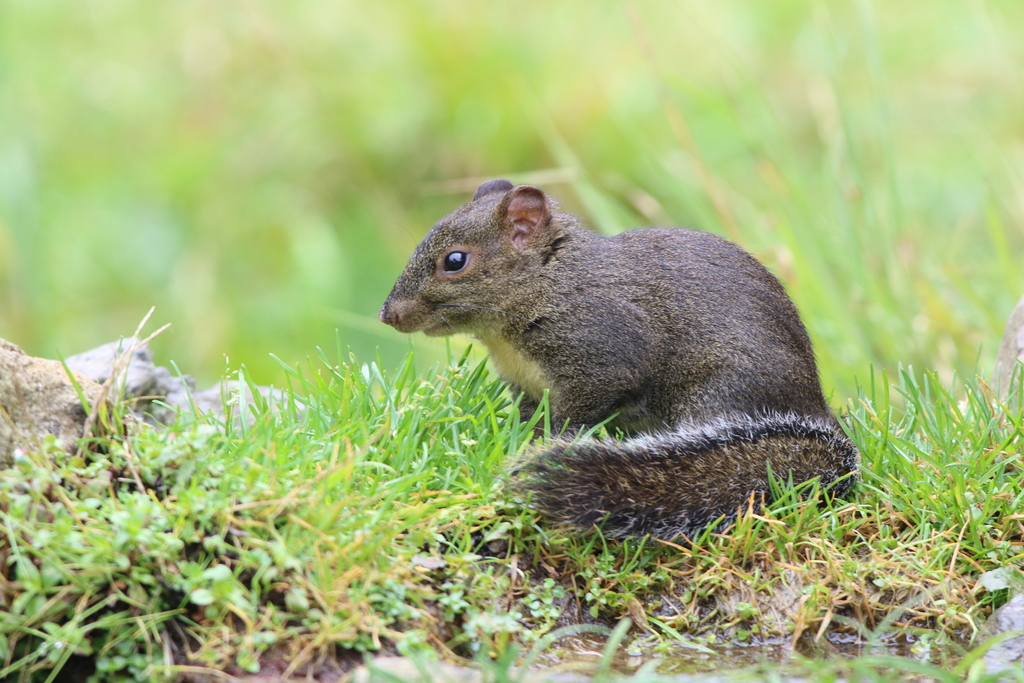
Orange-bellied Himalayan Squirrel — related tree squirrel visual context
RELATED TREE SQUIRRELOrange-bellied Himalayan SquirrelDremomys lokriah — related group reference for visual comparison; not Philippine Tree Squirrel.(c) Avinash Bhagat, some rights reserved (CC BY-NC) · CC-BY-NC · VIEW SOURCE ↗
Perny's Long-nosed Squirrel — related tree squirrel visual context
RELATED TREE SQUIRRELPerny's Long-nosed SquirrelDremomys pernyi — related group reference for visual comparison; not Philippine Tree Squirrel.(c) Hong, some rights reserved (CC BY-NC) · CC-BY-NC · VIEW SOURCE ↗
REPRODUCTION

Breeding & Young

Breeding seasonUnknown
Gestation~40–45 days
Litter size2–3 young

Young squirrels are raised in tree nests made from leaves and twigs.

LIFESPAN

Longevity

Unknown

07

Conservation

STATUS Least Concern

IUCN Status: Least Concern

The Philippine Tree Squirrel remains widespread across several islands, and populations are considered stable.