TREE SQUIRRELS · SPECIES PROFILE

Perny's Long-nosed Squirrel

Dremomys pernyi

Least Concern
Back to Tree Squirrels →
Body length20–25 cm (8–10 in)
Tail length18–24 cm (7–9 in)
Weight~300–400 g
Fur colorGray-brown to olive-brown
Breeding seasonUnknown
Gestation~40–45 days
01

Classification

KingdomAnimalia
PhylumChordata
ClassMammalia
OrderRodentia
FamilySciuridae
GenusDremomys
SpeciesDremomys pernyi
NATIVE RANGE

Where it is found

Perny's Long-nosed Squirrel is native to East and Southeast Asia.

Its range includes:

The species is most common in mountainous forest regions of southern China and northern Indochina.

Southern China
Vietnam
Laos
Northern Myanmar
Northern Thailand
HABITAT

Where it lives

Perny's Long-nosed Squirrels inhabit subtropical and montane forest environments.

Typical habitats include:

They are typically found at elevations between 500–2,500 meters (1,600–8,200 ft).

Evergreen forests
Mixed broadleaf forests
Montane forests
Bamboo forests
Secondary forests
RANGE & HABITAT CONTEXT

Compare form, setting and structure

Related tree squirrels help break up the reference while showing how habitat, body form and movement can vary across the broader group.

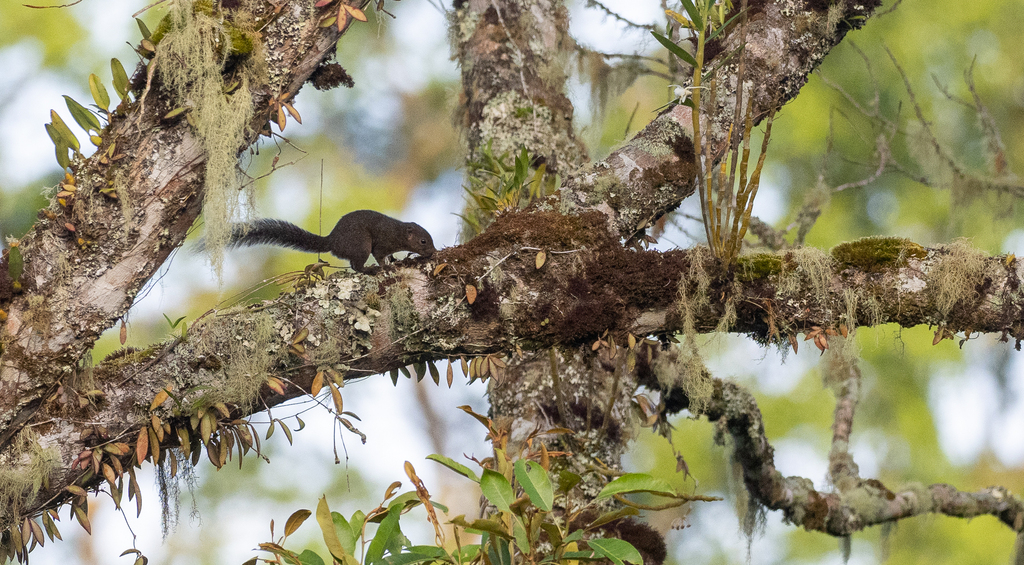
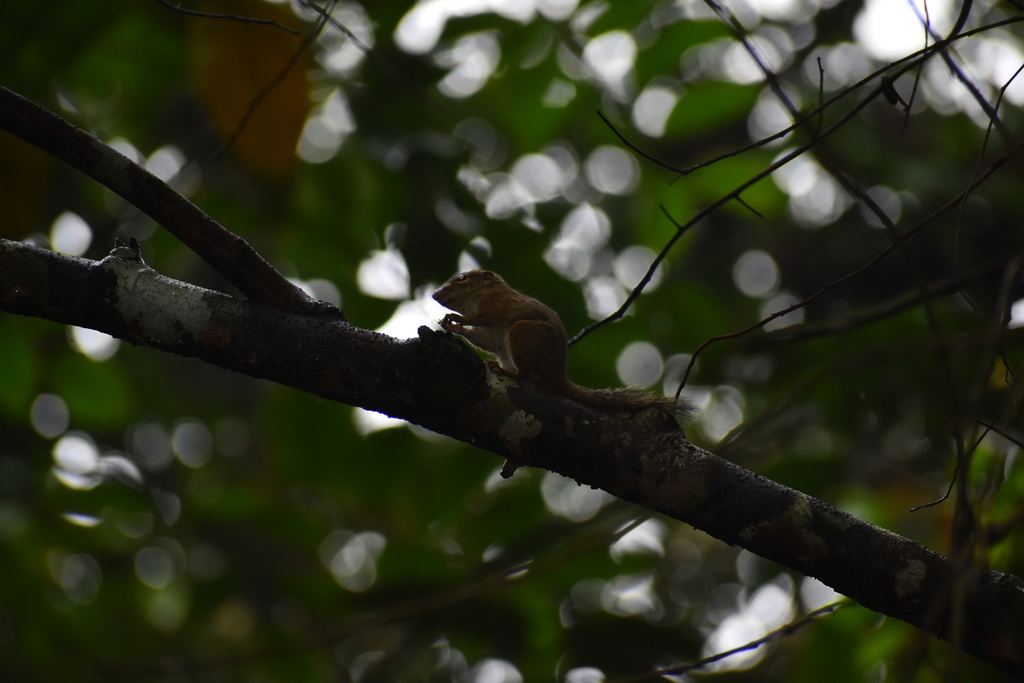
Northern Palawan Tree Squirrel — related tree squirrel visual context
RELATED TREE SQUIRRELNorthern Palawan Tree SquirrelSundasciurus juvencus — related group reference for visual comparison; not Perny's Long-nosed Squirrel.(c) matthewkwan, some rights reserved (CC BY-ND) · CC-BY-ND · VIEW SOURCE ↗
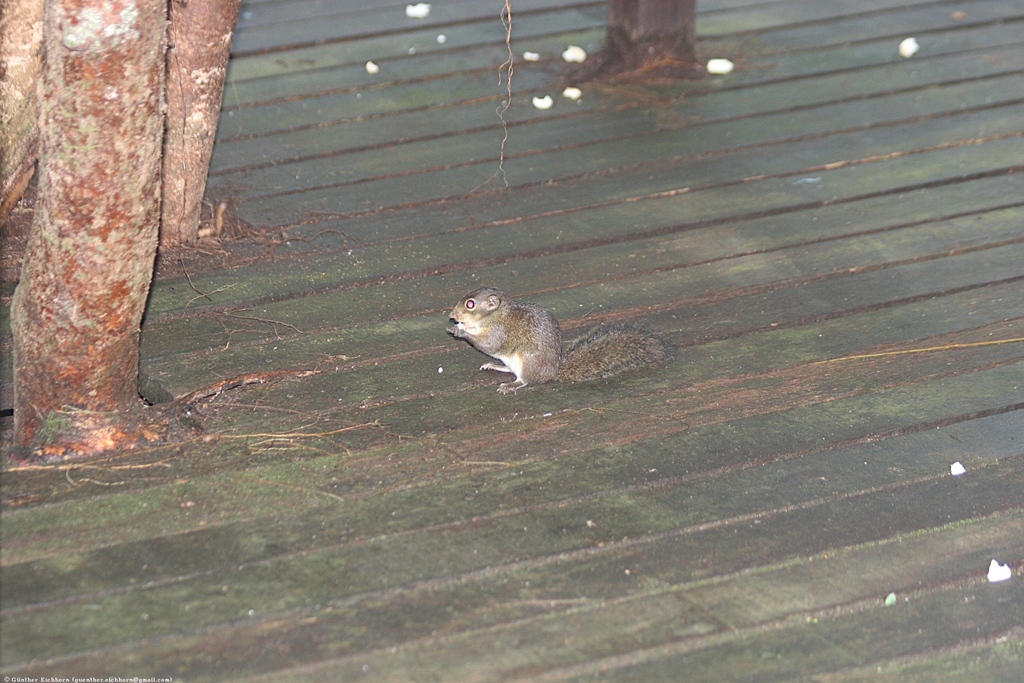
Low’s Squirrel — related tree squirrel visual context
RELATED TREE SQUIRRELLow’s SquirrelSundasciurus lowii — related group reference for visual comparison; not Perny's Long-nosed Squirrel.(c) Guenther Eichhorn, some rights reserved (CC BY-NC) · CC-BY-NC · VIEW SOURCE ↗
03

Nest & Shelter

Perny's Long-nosed Squirrels build nests known as dreys in trees.

Typical nest characteristics include:

They may also use tree cavities or dense vegetation as shelter.

Constructed from twigs, leaves, moss, and plant fibers
Located in tree forks or dense branches
Positioned within the forest canopy
Used for resting and raising young
04

Physical Profile

Body length20–25 cm (8–10 in)
Tail length18–24 cm (7–9 in)
Weight~300–400 g
Fur colorGray-brown to olive-brown
BellyPale gray or cream
Distinct featureLong, narrow snout
TailLong and bushy

The elongated snout is characteristic of Dremomys squirrels, giving the species its common name.

BEHAVIOR & FORAGING CONTEXT

Keep behavior connected to the animal

These are related tree squirrels, not photographs of Perny's Long-nosed Squirrel. Use them as visual context for locomotion, posture, feeding and environmental use.

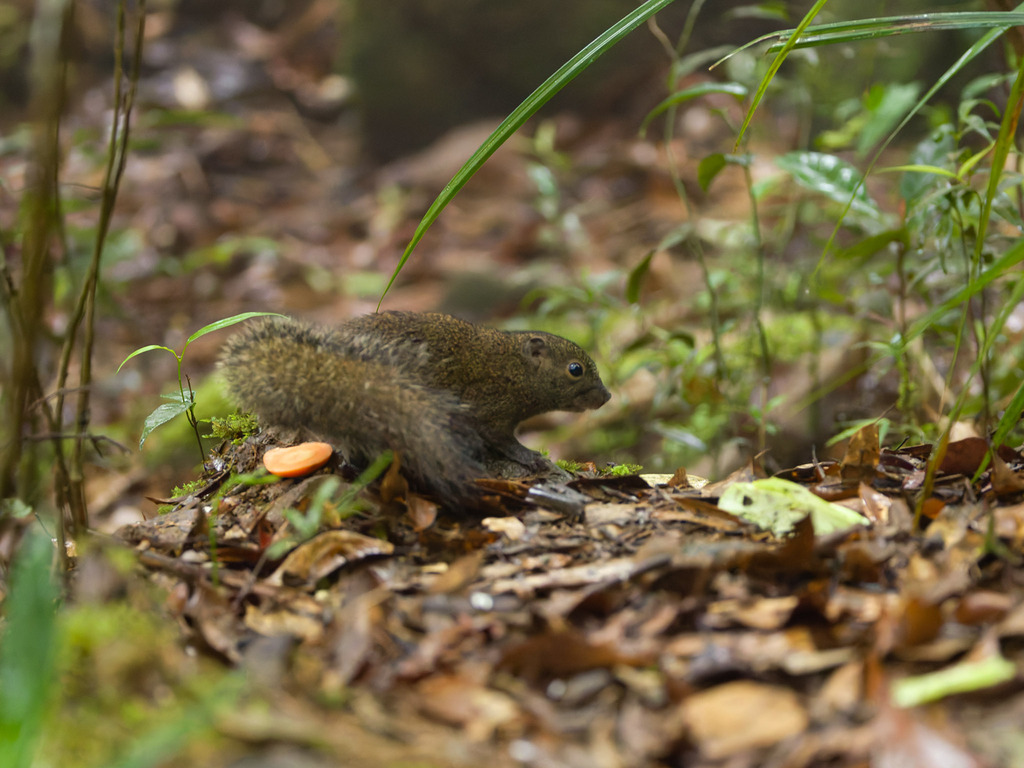
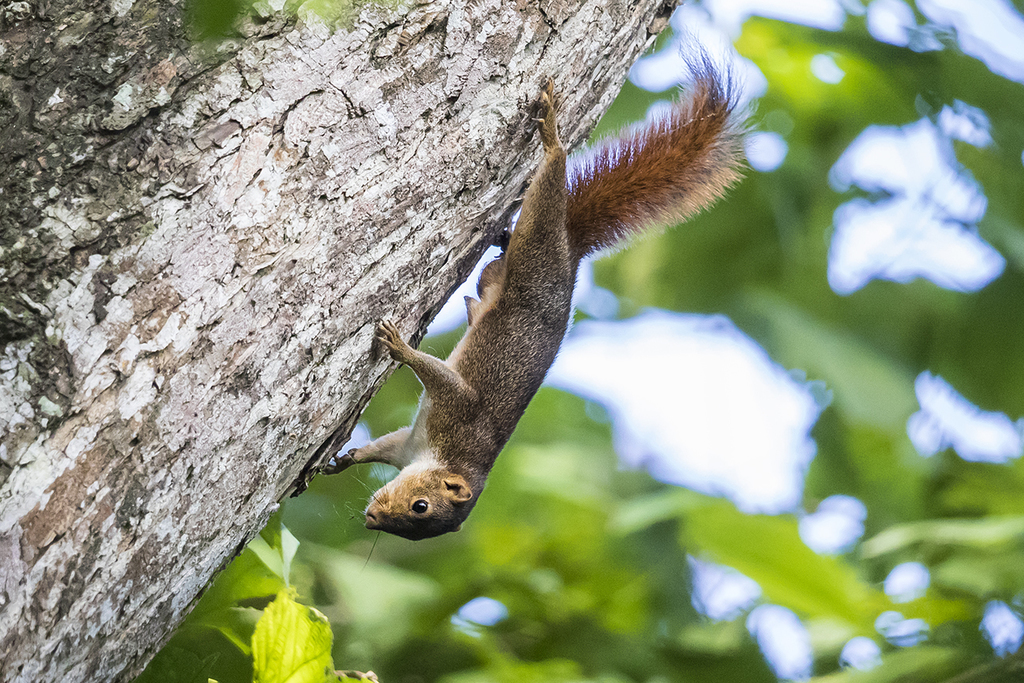
Mindanao Squirrel — related tree squirrel visual context
RELATED TREE SQUIRRELMindanao SquirrelSundasciurus mindanensis — related group reference for visual comparison; not Perny's Long-nosed Squirrel.(c) Forest Botial-Jarvis, some rights reserved (CC BY) · CC-BY · VIEW SOURCE ↗
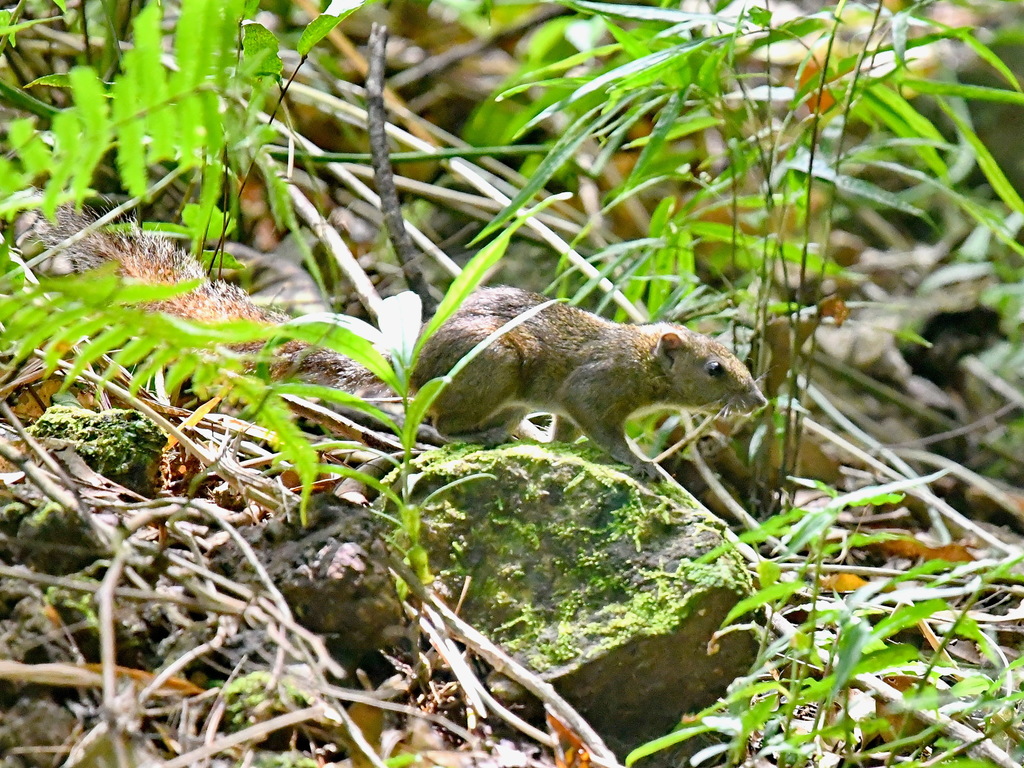
Philippine Tree Squirrel — related tree squirrel visual context
RELATED TREE SQUIRRELPhilippine Tree SquirrelSundasciurus philippinensis — related group reference for visual comparison; not Perny's Long-nosed Squirrel.(c) stefanie_de_win, some rights reserved (CC BY-NC) · CC-BY-NC · VIEW SOURCE ↗
BEHAVIOR

How it behaves

Perny's Long-nosed Squirrels are diurnal and arboreal.

Typical behaviors include:

They are strong climbers adapted to mountain forest environments.

Moving along tree branches and trunks
Foraging in forest canopy and understory
Living solitary or in pairs
Producing alarm calls when disturbed
DIET

What it eats

Perny's Long-nosed Squirrels are omnivorous.

Common foods include:

Their feeding habits help contribute to seed dispersal within forest ecosystems.

Fruits
Seeds
Nuts
Tree buds
Bark
Fungi
Insects
GROUP DIVERSITY

See the wider group around this species

Squirrels in the same broad group can look and live very differently. These credited references provide comparison without changing the facts for Perny's Long-nosed Squirrel.

Palawan Montane Squirrel — related tree squirrel visual context
RELATED TREE SQUIRRELPalawan Montane SquirrelSundasciurus rabori — related group reference for visual comparison; not Perny's Long-nosed Squirrel.(c) Adrian Constantino, some rights reserved (CC BY-NC) · CC-BY-NC · VIEW SOURCE ↗
Robinson’s Squirrel — related tree squirrel visual context
RELATED TREE SQUIRRELRobinson’s SquirrelSundasciurus robinsoni — related group reference for visual comparison; not Perny's Long-nosed Squirrel.(c) Mok Zhuang Yu, some rights reserved (CC BY) · CC-BY · VIEW SOURCE ↗
REPRODUCTION

Breeding & Young

Breeding seasonUnknown
Gestation~40–45 days
Litter size2–4 young

Young squirrels are raised in tree nests built from leaves and twigs.

LIFESPAN

Longevity

Unknown

07

Conservation

STATUS Least Concern

IUCN Status: Least Concern

Perny's Long-nosed Squirrel is widespread throughout its mountainous forest range, and populations are considered stable.