TREE SQUIRRELS · SPECIES PROFILE

Pallas’s Squirrel

Callosciurus erythraeus

Least Concern
Back to Tree Squirrels →
Body length19–28 cm (7–11 in)
Tail length20–26 cm (8–10 in)
Weight~250–420 g
Fur colorHighly variable; gray, brown, black, or reddish
Breeding seasonTypically twice per year
Gestation~40–45 days
01

Classification

KingdomAnimalia
PhylumChordata
ClassMammalia
OrderRodentia
FamilySciuridae
GenusCallosciurus
SpeciesCallosciurus erythraeus
NATIVE RANGE

Where it is found

Pallas’s Squirrel is native to East and Southeast Asia.

Its natural range includes:

The species has also been introduced to several other regions, including:

In some introduced areas it has become an invasive species.

Southern China
Taiwan
Myanmar
Thailand
Laos
Cambodia
Vietnam
Japan
Argentina
France
Belgium
The Netherlands
Hong Kong
HABITAT

Where it lives

Pallas’s Squirrels inhabit forested and wooded environments.

Typical habitats include:

They are highly adaptable and can thrive in both natural and human-modified landscapes.

Tropical and subtropical forests
Secondary forests
Woodland areas
Parks and urban green spaces
Agricultural areas with tree cover
RANGE & HABITAT CONTEXT

Compare form, setting and structure

Related tree squirrels help break up the reference while showing how habitat, body form and movement can vary across the broader group.

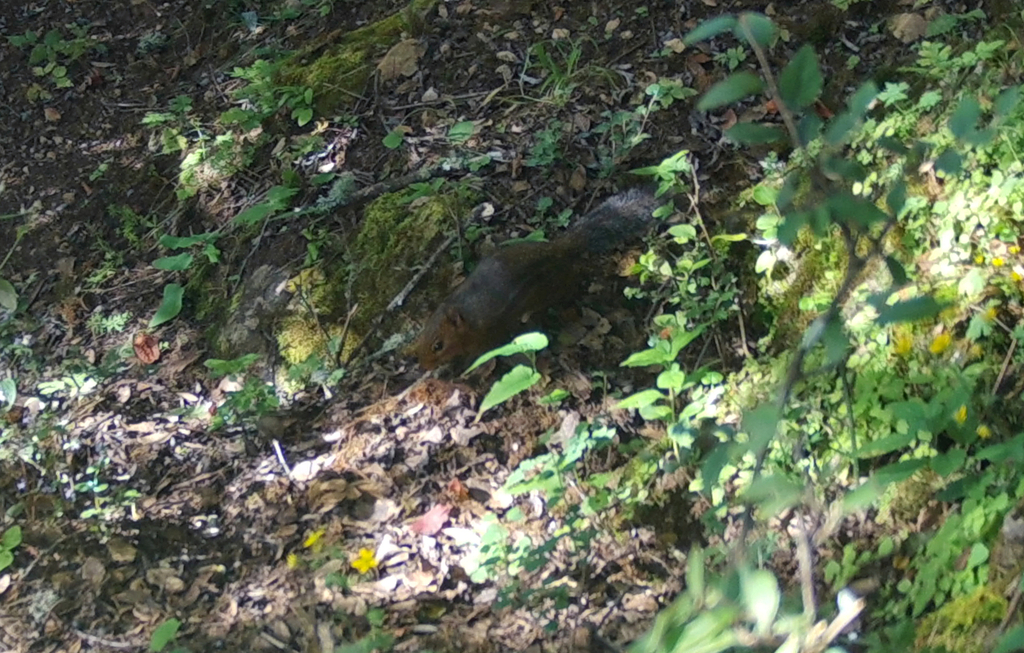
Neotropical Pygmy Squirrel — related tree squirrel visual context
RELATED TREE SQUIRRELNeotropical Pygmy SquirrelSciurillus pusillus — related group reference for visual comparison; not Pallas’s Squirrel.(c) Eric Carpenter, some rights reserved (CC BY-NC) · CC-BY-NC · VIEW SOURCE ↗
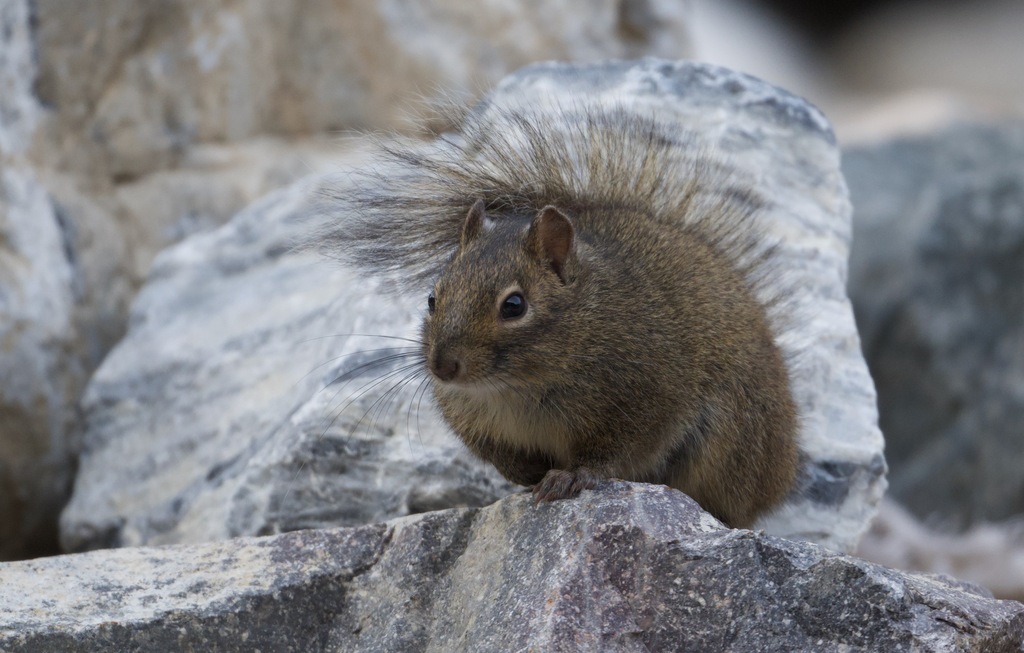
Père David's Rock Squirrel — related tree squirrel visual context
RELATED TREE SQUIRRELPère David's Rock SquirrelSciurotamias davidianus — related group reference for visual comparison; not Pallas’s Squirrel.(c) Terry Townshend, some rights reserved (CC BY-NC) · CC-BY-NC · VIEW SOURCE ↗
03

Nest & Shelter

Pallas’s Squirrels build nests known as dreys in trees.

Typical nest characteristics include:

They may also use tree cavities when available.

Constructed from twigs, leaves, bark strips, and grass
Located in tree forks or dense branches
Positioned high within the canopy
Used for resting and raising young
04

Physical Profile

Body length19–28 cm (7–11 in)
Tail length20–26 cm (8–10 in)
Weight~250–420 g
Fur colorHighly variable; gray, brown, black, or reddish
BellyOften reddish, orange, or cream
Distinct featureLarge variation in coat coloration
TailLong and bushy

The species shows significant color variation across its range.

BEHAVIOR & FORAGING CONTEXT

Keep behavior connected to the animal

These are related tree squirrels, not photographs of Pallas’s Squirrel. Use them as visual context for locomotion, posture, feeding and environmental use.

Forrest's Rock Squirrel — related tree squirrel visual context
RELATED TREE SQUIRRELForrest's Rock SquirrelSciurotamias forresti — related group reference for visual comparison; not Pallas’s Squirrel.(c) 通通, some rights reserved (CC BY-NC) · CC-BY-NC · VIEW SOURCE ↗
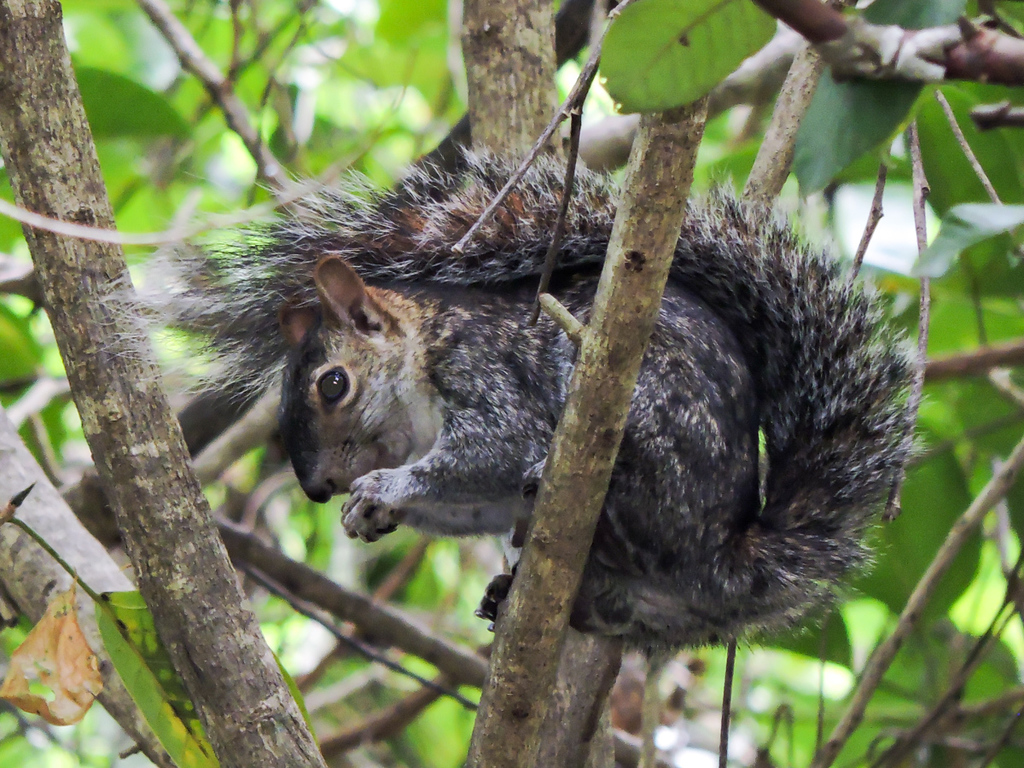
Collie's Squirrel — related tree squirrel visual context
RELATED TREE SQUIRRELCollie's SquirrelSciurus colliaei — related group reference for visual comparison; not Pallas’s Squirrel.(c) Cheryl Harleston López Espino, some rights reserved (CC BY-NC-ND) · CC-BY-NC-ND · VIEW SOURCE ↗
BEHAVIOR

How it behaves

Pallas’s Squirrels are diurnal and arboreal.

Typical behaviors include:

In introduced areas they can become very abundant and competitive with native species.

Moving rapidly through trees and forest canopy
Foraging both in trees and occasionally on the ground
Living solitary or in loose populations
Producing loud alarm calls
DIET

What it eats

Pallas’s Squirrels are omnivorous.

Common foods include:

Their feeding habits contribute to seed dispersal, but in introduced regions they may also damage crops and trees.

Fruits
Seeds
Nuts
Tree bark
Flower buds
Insects
Bird eggs
GROUP DIVERSITY

See the wider group around this species

Squirrels in the same broad group can look and live very differently. These credited references provide comparison without changing the facts for Pallas’s Squirrel.

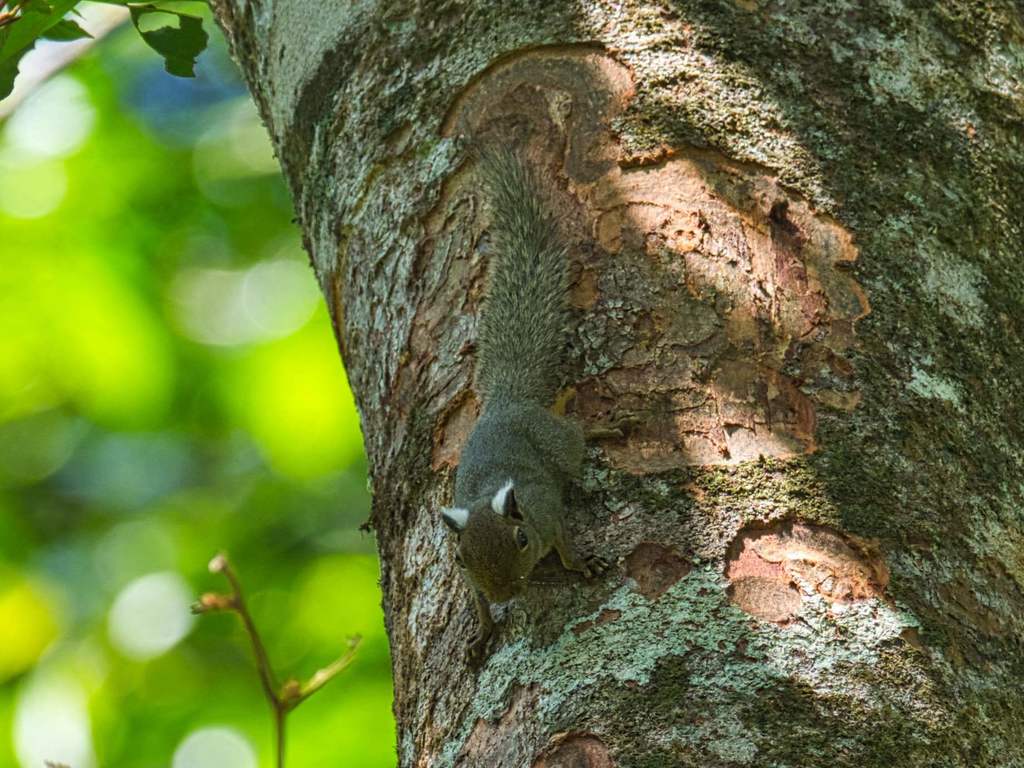
Deppe’s Squirrel — related tree squirrel visual context
RELATED TREE SQUIRRELDeppe’s SquirrelSciurus deppei — related group reference for visual comparison; not Pallas’s Squirrel.(c) Amado Demesa, some rights reserved (CC BY-SA) · CC-BY-SA · VIEW SOURCE ↗
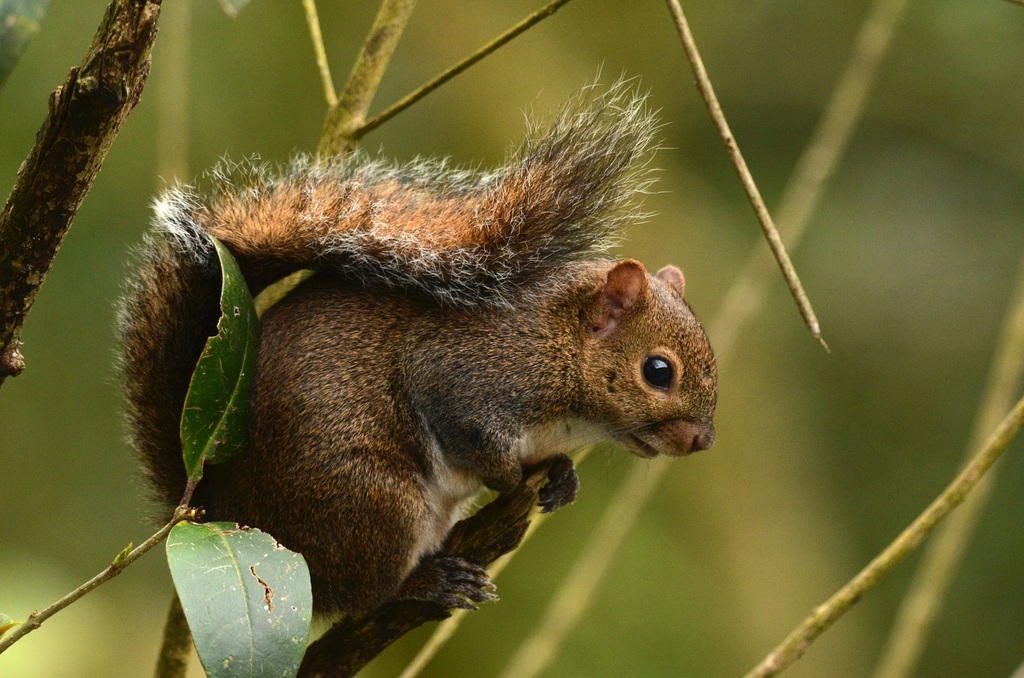
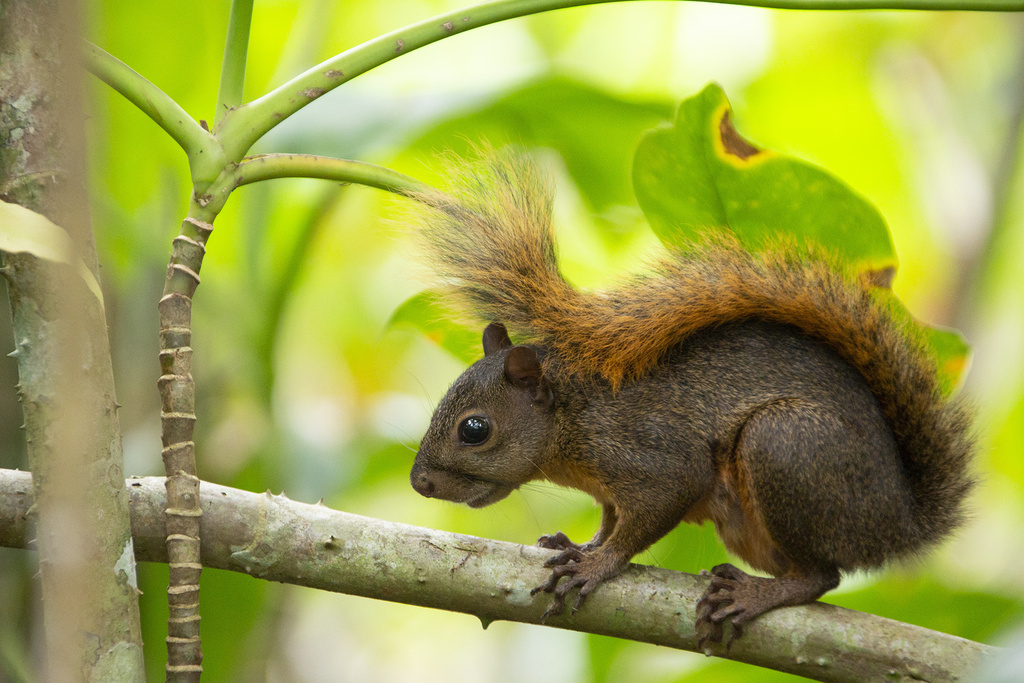
Red-tailed Squirrel — related tree squirrel visual context
RELATED TREE SQUIRRELRed-tailed SquirrelSciurus granatensis — related group reference for visual comparison; not Pallas’s Squirrel.(c) Joshua Wade Covill, some rights reserved (CC BY-NC) · CC-BY-NC · VIEW SOURCE ↗
REPRODUCTION

Breeding & Young

Breeding seasonTypically twice per year
Gestation~40–45 days
Litter size2–4 young

Young squirrels are raised in tree nests built from leaves and twigs.

LIFESPAN

Longevity

Unknown

07

Conservation

STATUS Least Concern

IUCN Status: Least Concern

Pallas’s Squirrel is widespread and adaptable, with stable populations across much of its native range.