TREE SQUIRRELS · SPECIES PROFILE

Mexican Fox Squirrel

Sciurus nayaritensis

Least Concern
Back to Tree Squirrels →
Body length25–30 cm (10–12 in)
Tail length20–30 cm (8–12 in)
Weight~600–900 g
Fur colorGray, brown, or reddish-brown
Breeding seasonLate winter and summer
Gestation~44–45 days
01

Classification

KingdomAnimalia
PhylumChordata
ClassMammalia
OrderRodentia
FamilySciuridae
GenusSciurus
SpeciesSciurus nayaritensis
NATIVE RANGE

Where it is found

The Mexican Fox Squirrel is native to Mexico.

Its range includes:

The species is primarily distributed along the Sierra Madre Occidental mountain range in western Mexico.

Nayarit
Jalisco
Durango
Sinaloa
HABITAT

Where it lives

Mexican Fox Squirrels inhabit mountain forests and woodland environments.

Typical habitats include:

They are commonly found in high-elevation forests with mature trees.

Pine forests
Pine–oak forests
Mixed conifer forests
Montane woodland areas
RANGE & HABITAT CONTEXT

Compare form, setting and structure

Related tree squirrels help break up the reference while showing how habitat, body form and movement can vary across the broader group.
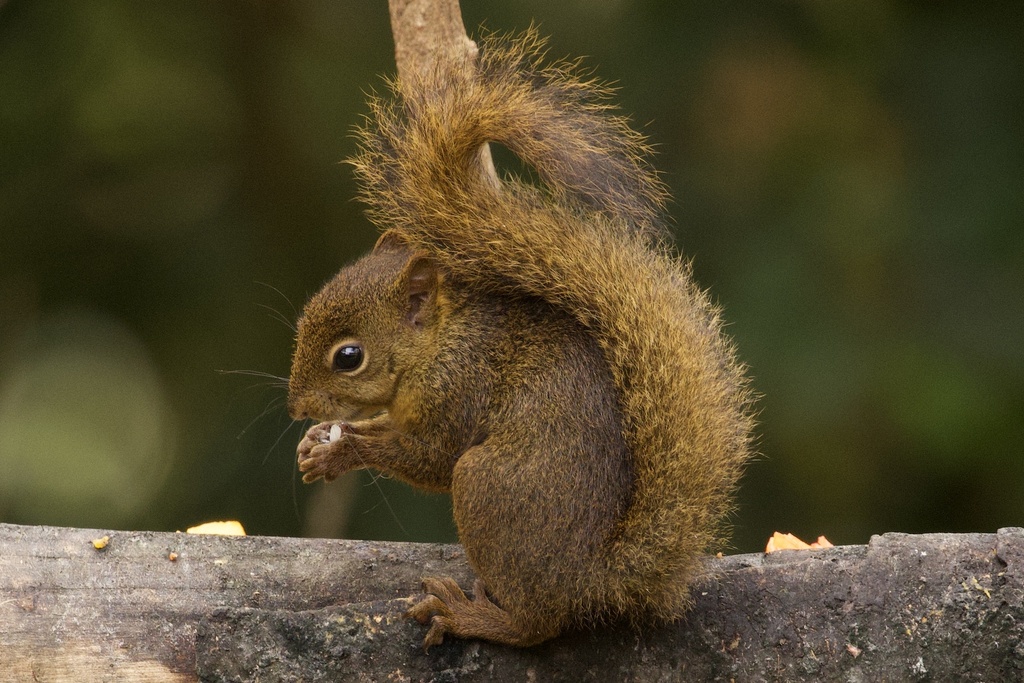
Bolivian Squirrel — related tree squirrel visual context
RELATED TREE SQUIRRELBolivian SquirrelSciurus ignitus — related group reference for visual comparison; not Mexican Fox Squirrel.(c) o_efua, some rights reserved (CC BY-NC) · CC-BY-NC · VIEW SOURCE ↗
Ingram's Squirrel — related tree squirrel visual context
RELATED TREE SQUIRRELIngram's SquirrelSciurus ingrami — related group reference for visual comparison; not Mexican Fox Squirrel.(c) Miguel A. Paixão, some rights reserved (CC BY) · CC-BY · VIEW SOURCE ↗
03

Nest & Shelter

Mexican Fox Squirrels build nests known as dreys in trees.

Typical nest characteristics include:

They may also occasionally use tree cavities.

Constructed from twigs, leaves, bark strips, and grass
Located in tree forks or dense branches
Positioned high in mature trees
Used for resting and raising young
04

Physical Profile

Body length25–30 cm (10–12 in)
Tail length20–30 cm (8–12 in)
Weight~600–900 g
Fur colorGray, brown, or reddish-brown
BellyPale yellow, cream, or orange
Distinct featureLarge size similar to other fox squirrels
TailLong and very bushy

The Mexican Fox Squirrel is one of the larger tree squirrels in Mexico.

BEHAVIOR & FORAGING CONTEXT

Keep behavior connected to the animal

These are related tree squirrels, not photographs of Mexican Fox Squirrel. Use them as visual context for locomotion, posture, feeding and environmental use.
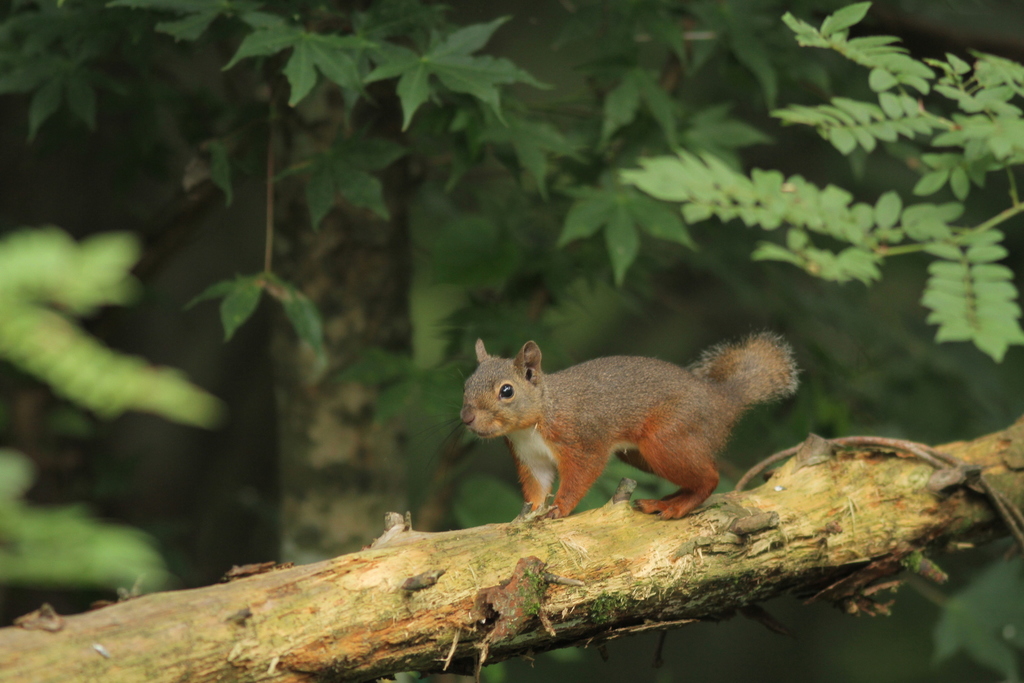
Japanese Squirrel — related tree squirrel visual context
RELATED TREE SQUIRRELJapanese SquirrelSciurus lis — related group reference for visual comparison; not Mexican Fox Squirrel.(c) Wich’yanan (Jay) Limparungpatthanakij, some rights reserved (CC BY-NC) · CC-BY-NC · VIEW SOURCE ↗
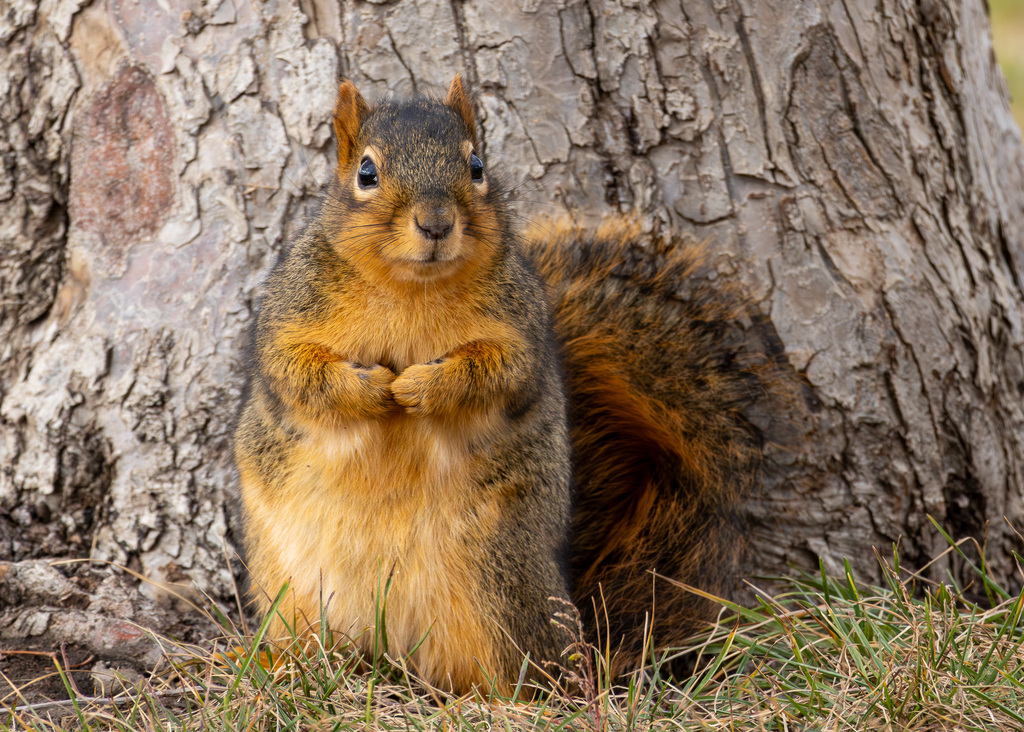
Eastern Fox Squirrel — related tree squirrel visual context
RELATED TREE SQUIRRELEastern Fox SquirrelSciurus niger — related group reference for visual comparison; not Mexican Fox Squirrel.(c) Tobin Brown, some rights reserved (CC BY-NC) · CC-BY-NC · VIEW SOURCE ↗
BEHAVIOR

How it behaves

Mexican Fox Squirrels are diurnal and mostly solitary.

Typical behaviors include:

They are agile climbers but often spend time foraging on the forest floor.

Moving through tree branches and forest canopy
Foraging both in trees and occasionally on the ground
Burying seeds and nuts for later consumption
Producing alarm calls when threatened
DIET

What it eats

Mexican Fox Squirrels are primarily herbivorous.

Common foods include:

They may occasionally consume insects or bird eggs.

Their feeding behavior contributes to seed dispersal and forest regeneration.

Pine cones
Seeds
Nuts
Fruits
Tree buds
Fungi
GROUP DIVERSITY

See the wider group around this species

Squirrels in the same broad group can look and live very differently. These credited references provide comparison without changing the facts for Mexican Fox Squirrel.
Southern Amazon Red Squirrel — related tree squirrel visual context
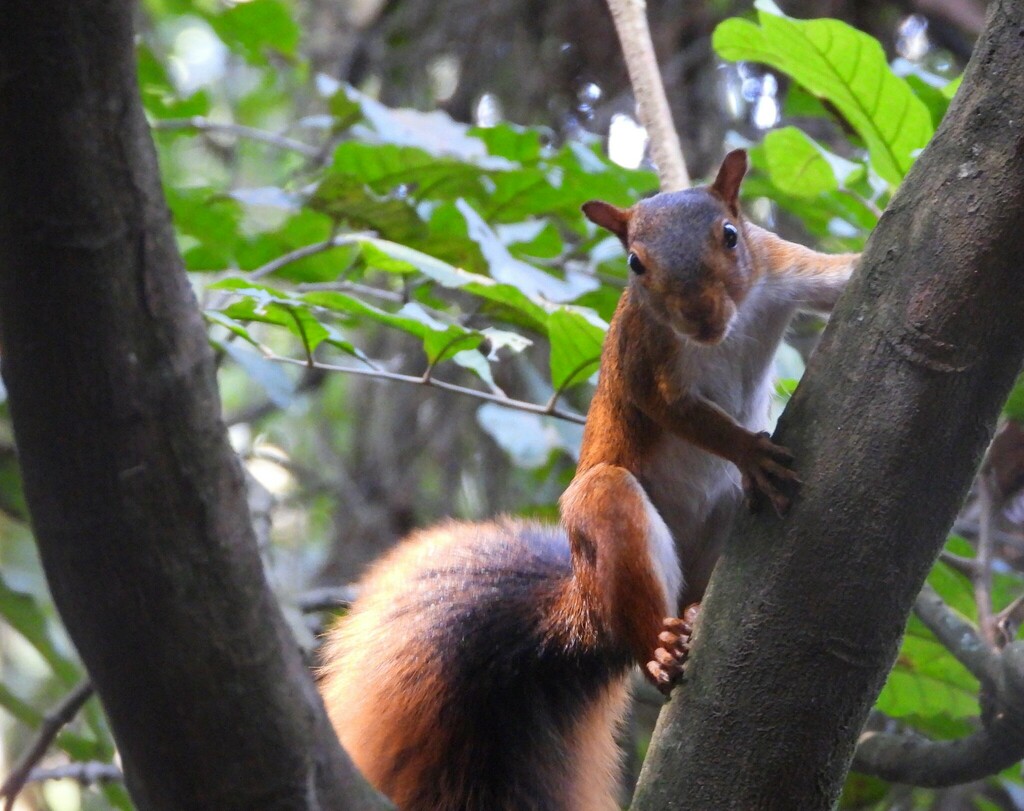
RELATED TREE SQUIRRELSouthern Amazon Red SquirrelSciurus spadiceus — related group reference for visual comparison; not Mexican Fox Squirrel.(c) Pedro Henrique Maloso Ramos, some rights reserved (CC BY) · CC-BY · VIEW SOURCE ↗
Guayaquil Squirrel — related tree squirrel visual context
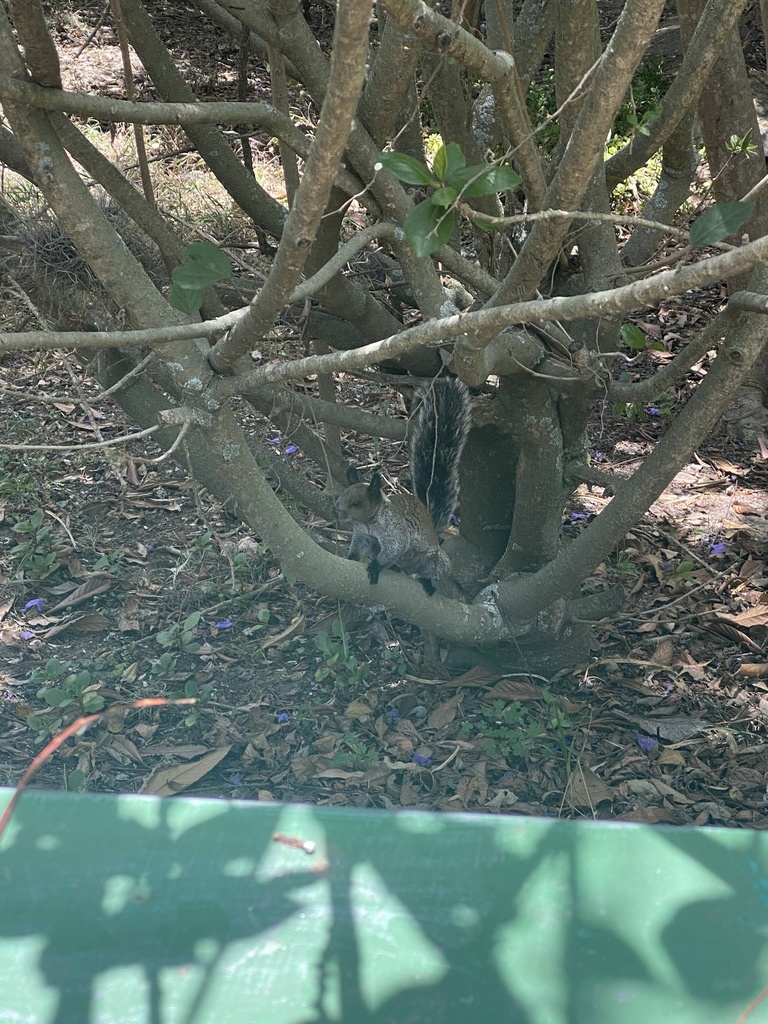
RELATED TREE SQUIRRELGuayaquil SquirrelSciurus stramineus — related group reference for visual comparison; not Mexican Fox Squirrel.(c) maferrojrod, some rights reserved (CC BY-NC) · CC-BY-NC · VIEW SOURCE ↗
REPRODUCTION

Breeding & Young

Breeding seasonLate winter and summer
Gestation~44–45 days
Litter size2–4 young

Young squirrels are raised in tree nests made from leaves and twigs.

LIFESPAN

Longevity

Unknown

07

Conservation

STATUS Least Concern

IUCN Status: Least Concern

The Mexican Fox Squirrel remains relatively widespread across suitable forests in western Mexico, with stable populations in protected mountain habitats.