TREE SQUIRRELS · SPECIES PROFILE

Lowland Long-nosed Squirrel

Hyosciurus ileile

Least Concern
Back to Tree Squirrels →
Body length20–25 cm (8–10 in)
Tail length18–22 cm (7–9 in)
Weight~300–400 g
Fur colorBrown to reddish-brown
Breeding seasonUnknown
Gestation~40–45 days
01

Classification

KingdomAnimalia
PhylumChordata
ClassMammalia
OrderRodentia
FamilySciuridae
GenusHyosciurus
SpeciesHyosciurus ileile
NATIVE RANGE

Where it is found

The Lowland Long-nosed Squirrel is native to Indonesia.

Its range includes:

The species is endemic to Sulawesi, meaning it naturally occurs only on that island and its surrounding islands.

Sulawesi
Nearby offshore islands
HABITAT

Where it lives

Lowland Long-nosed Squirrels inhabit tropical lowland forests.

Typical habitats include:

They are usually found in dense forest environments with thick vegetation and abundant trees.

Lowland tropical rainforests
Primary forests
Secondary forests
Forest edges
RANGE & HABITAT CONTEXT

Compare form, setting and structure

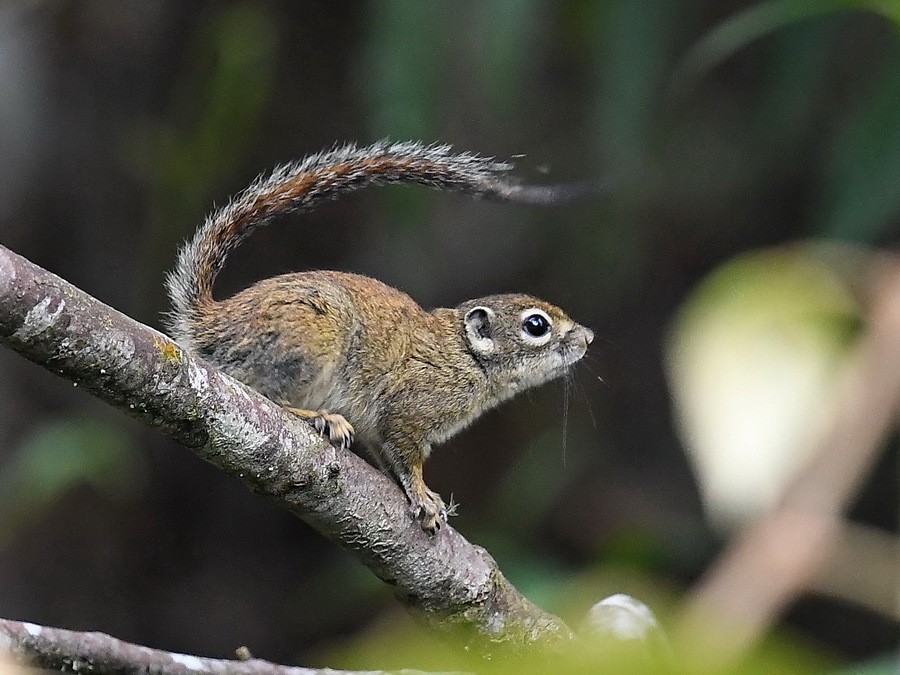
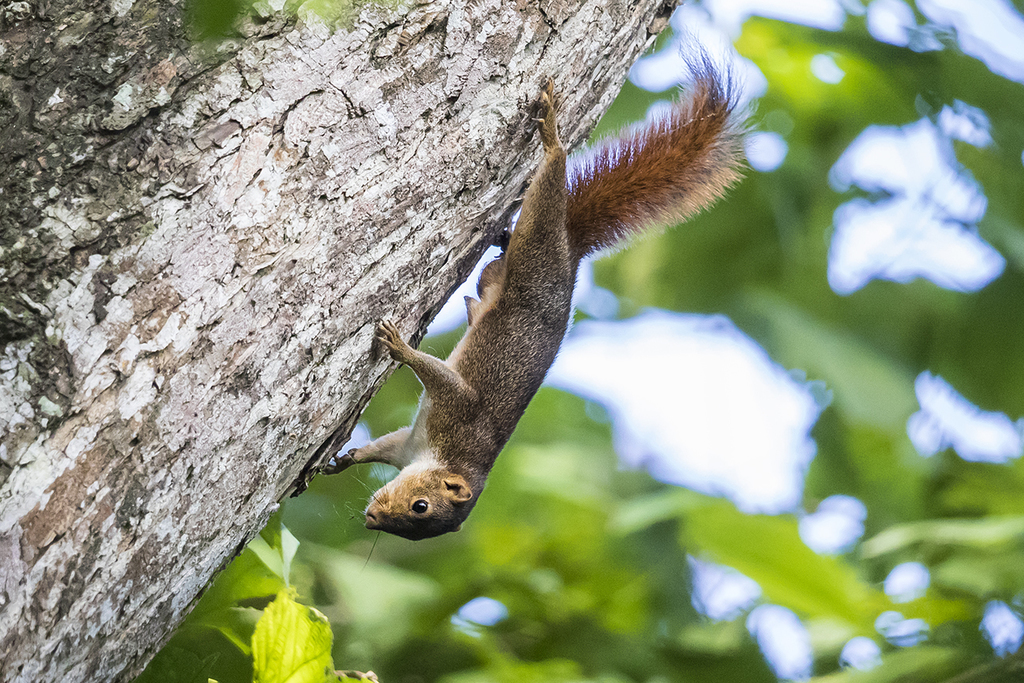
Related tree squirrels help break up the reference while showing how habitat, body form and movement can vary across the broader group.

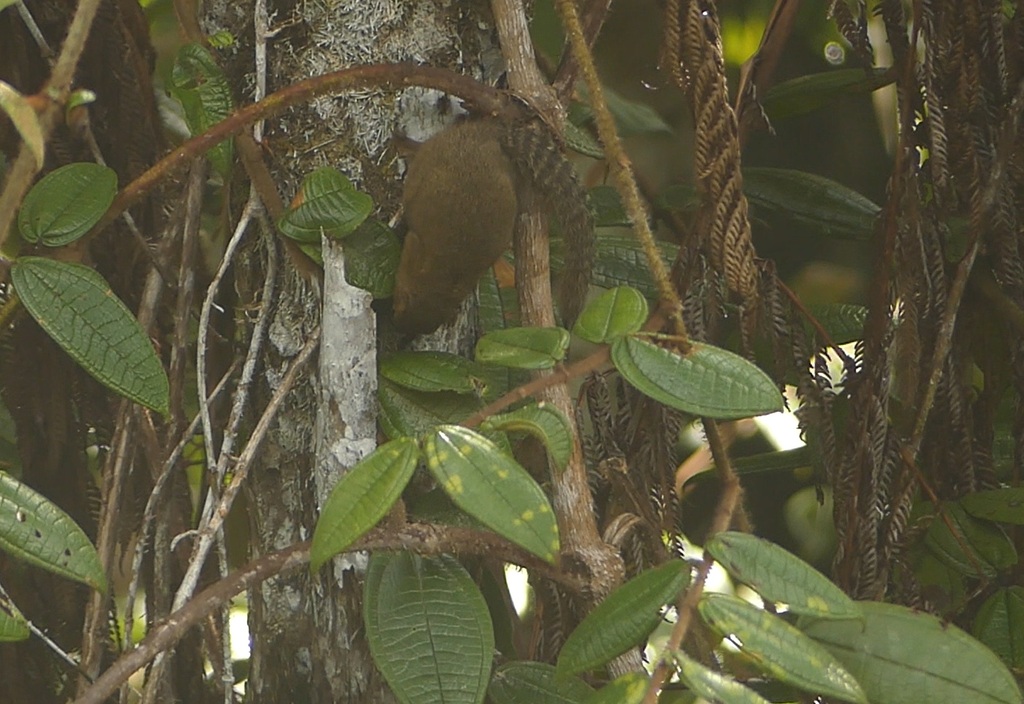
Brooke's Squirrel — related tree squirrel visual context
RELATED TREE SQUIRRELBrooke's SquirrelSundasciurus brookei — related group reference for visual comparison; not Lowland Long-nosed Squirrel.(c) Royle Safaris, some rights reserved (CC BY-NC) · CC-BY-NC · VIEW SOURCE ↗
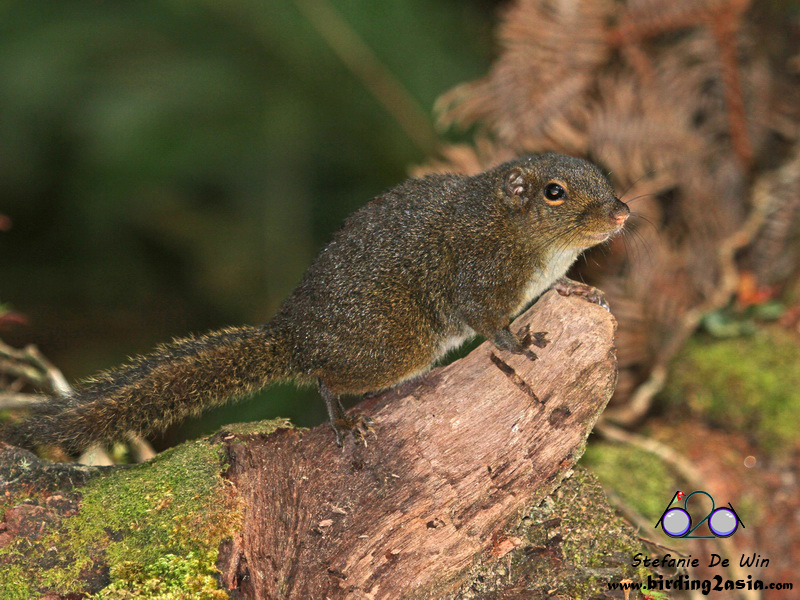
Bornean Mountain Squirrel — related tree squirrel visual context
RELATED TREE SQUIRRELBornean Mountain SquirrelSundasciurus everetti — related group reference for visual comparison; not Lowland Long-nosed Squirrel.(c) stefanie_de_win, some rights reserved (CC BY-NC) · CC-BY-NC · VIEW SOURCE ↗
03

Nest & Shelter

Lowland Long-nosed Squirrels typically nest in tree cavities or hidden forest shelters.

Typical nest characteristics include:

Their nests are often well concealed within forest vegetation.

Use of natural tree hollows
Lining nests with leaves, moss, and plant fibers
Shelters placed within dense vegetation or tree trunks
Used for resting and raising young
04

Physical Profile

Body length20–25 cm (8–10 in)
Tail length18–22 cm (7–9 in)
Weight~300–400 g
Fur colorBrown to reddish-brown
BellyPale gray or cream
Distinct featureLong, pointed snout
TailLong and bushy

The species is named for its elongated snout, which distinguishes it from most other squirrels.

BEHAVIOR & FORAGING CONTEXT

Keep behavior connected to the animal

These are related tree squirrels, not photographs of Lowland Long-nosed Squirrel. Use them as visual context for locomotion, posture, feeding and environmental use.

Horse-tailed Squirrel — related tree squirrel visual context
RELATED TREE SQUIRRELHorse-tailed SquirrelSundasciurus hippurus — related group reference for visual comparison; not Lowland Long-nosed Squirrel.(c) lunarjade, some rights reserved (CC BY-NC) · CC-BY-NC · VIEW SOURCE ↗
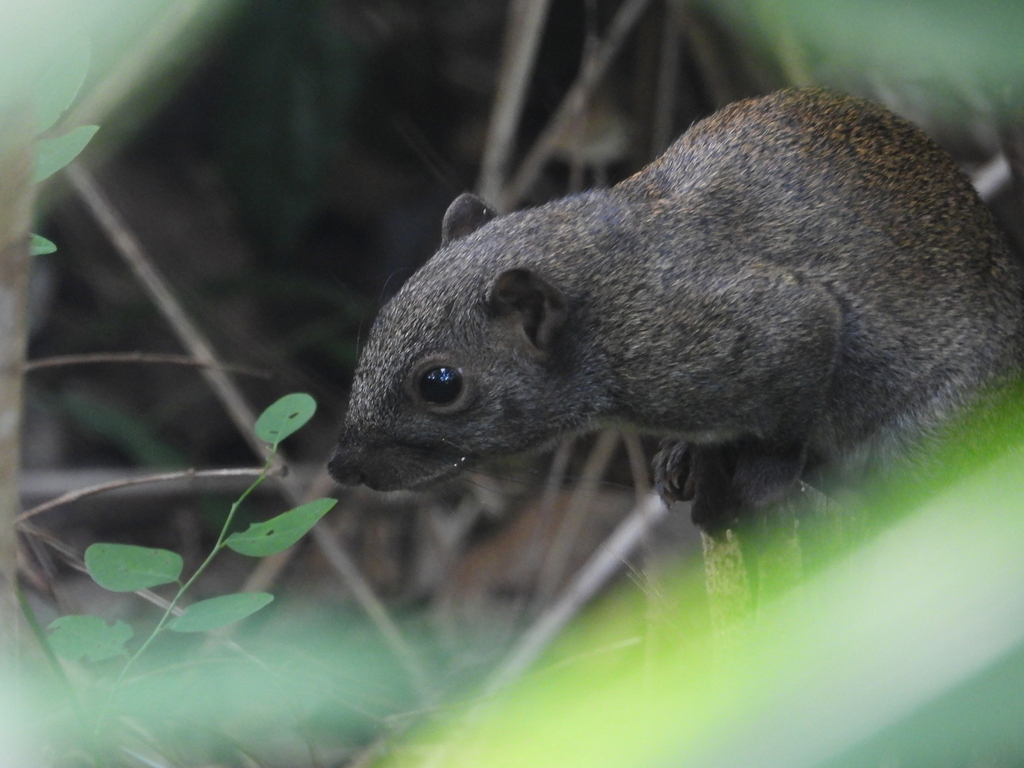
Busuanga Squirrel — related tree squirrel visual context
RELATED TREE SQUIRRELBusuanga SquirrelSundasciurus hoogstraali — related group reference for visual comparison; not Lowland Long-nosed Squirrel.(c) dmalerta, some rights reserved (CC BY-NC) · CC-BY-NC · VIEW SOURCE ↗
BEHAVIOR

How it behaves

Lowland Long-nosed Squirrels are diurnal and primarily arboreal, though they may also forage on the ground.

Typical behaviors include:

Their long snout helps them probe into crevices and bark while searching for insects.

Climbing tree trunks and branches
Searching bark and vegetation for food
Moving through dense forest understory and canopy
Living solitary or in pairs
DIET

What it eats

Lowland Long-nosed Squirrels are omnivorous, with a strong preference for insects.

Common foods include:

They are known for probing tree bark and crevices for invertebrates.

Insects
Larvae
Fruits
Seeds
Tree bark
GROUP DIVERSITY

See the wider group around this species

Squirrels in the same broad group can look and live very differently. These credited references provide comparison without changing the facts for Lowland Long-nosed Squirrel.

Jentink's Squirrel — related tree squirrel visual context
RELATED TREE SQUIRRELJentink's SquirrelSundasciurus jentinki — related group reference for visual comparison; not Lowland Long-nosed Squirrel.(c) stefanie_de_win, some rights reserved (CC BY-NC) · CC-BY-NC · VIEW SOURCE ↗
Northern Palawan Tree Squirrel — related tree squirrel visual context
RELATED TREE SQUIRRELNorthern Palawan Tree SquirrelSundasciurus juvencus — related group reference for visual comparison; not Lowland Long-nosed Squirrel.(c) matthewkwan, some rights reserved (CC BY-ND) · CC-BY-ND · VIEW SOURCE ↗
REPRODUCTION

Breeding & Young

Breeding seasonUnknown
Gestation~40–45 days
Litter size2–3 young

Young squirrels are raised in tree cavities or concealed nests within vegetation.

LIFESPAN

Longevity

Unknown

07

Conservation

STATUS Least Concern

IUCN Status: Least Concern

The Lowland Long-nosed Squirrel remains relatively widespread within Sulawesi’s forest habitats and is not currently considered threatened.