TREE SQUIRRELS · SPECIES PROFILE

Indian Giant Squirrel

Ratufa indica

Least Concern
Back to Tree Squirrels →
Body length25–50 cm (10–20 in)
Tail length30–60 cm (12–24 in)
Weight1.5–2 kg
Fur colorVariable; deep maroon, brown, cream, or black
Breeding seasonYear-round, peaks vary by region
Gestation~28–35 days
01

Classification

KingdomAnimalia
PhylumChordata
ClassMammalia
OrderRodentia
FamilySciuridae
GenusRatufa
SpeciesRatufa indica
NATIVE RANGE

Where it is found

The Indian Giant Squirrel is native to India.

Its range includes:

The species is widely distributed across forested regions of the Indian subcontinent.

Western Ghats
Central India
Eastern Ghats
Southern India
HABITAT

Where it lives

Indian Giant Squirrels inhabit tropical and subtropical forests.

Typical habitats include:

They prefer dense forest canopies with tall mature trees.

Tropical rainforests
Moist deciduous forests
Dry deciduous forests
Riverine forests
RANGE & HABITAT CONTEXT

Compare form, setting and structure

Related tree squirrels help break up the reference while showing how habitat, body form and movement can vary across the broader group.
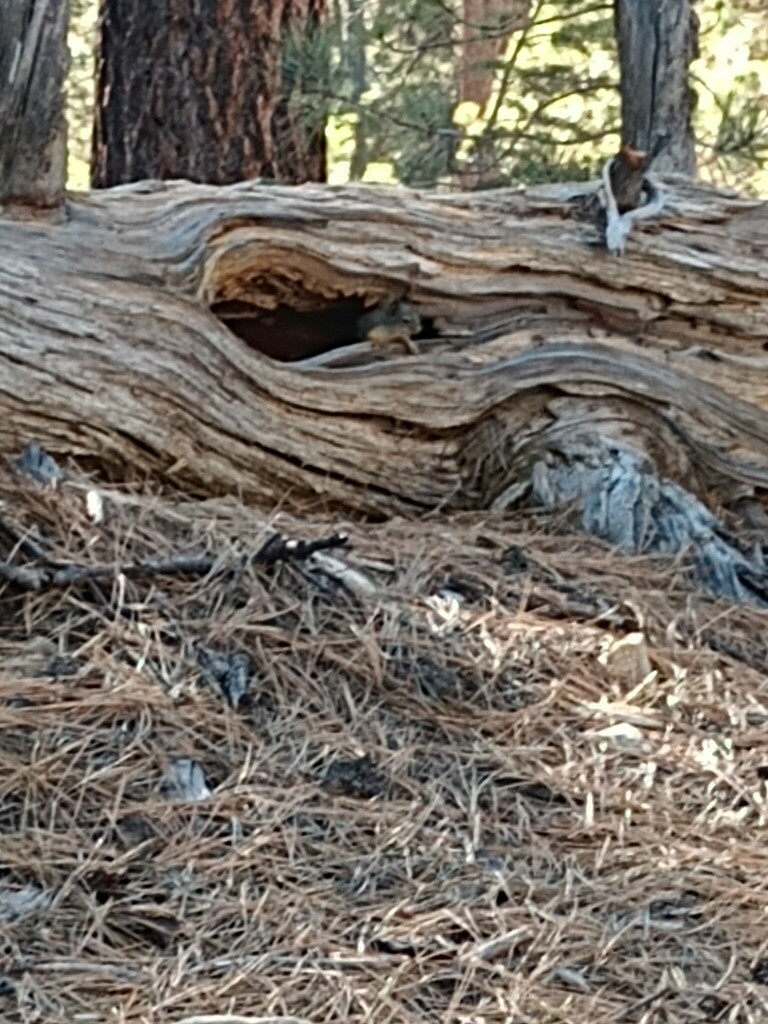
Mearns’s Squirrel — related tree squirrel visual context
RELATED TREE SQUIRRELMearns’s SquirrelTamiasciurus mearnsi — related group reference for visual comparison; not Indian Giant Squirrel.(c) Mariana Novelo B., some rights reserved (CC BY-NC) · CC-BY-NC · VIEW SOURCE ↗
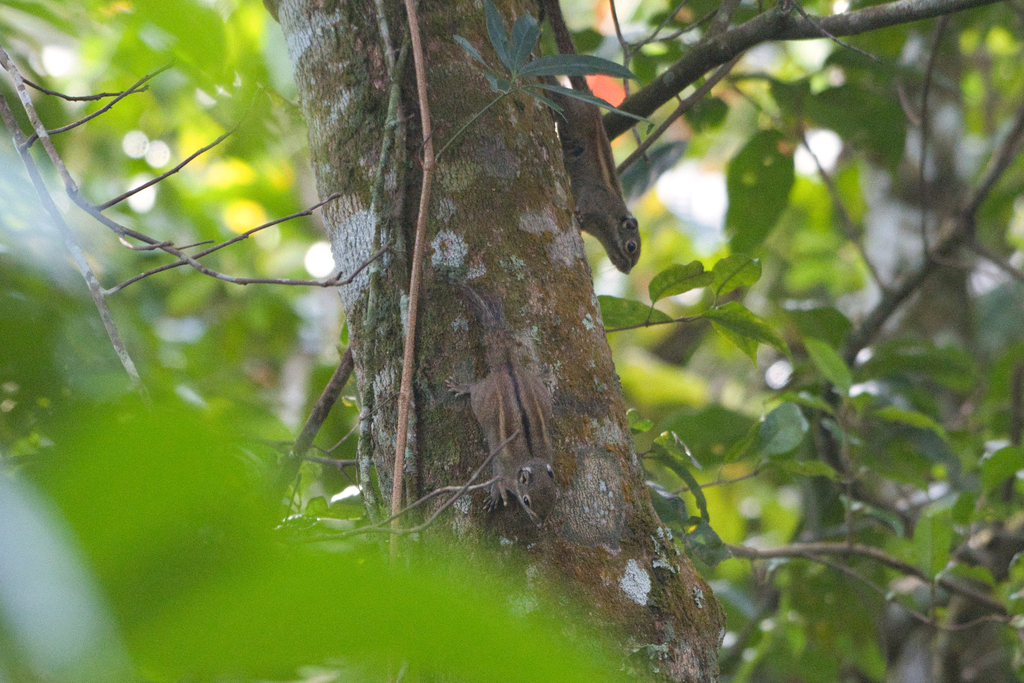
Maritime Striped Squirrel — related tree squirrel visual context
RELATED TREE SQUIRRELMaritime Striped SquirrelTamiops maritimus — related group reference for visual comparison; not Indian Giant Squirrel.(c) briancasatelli, some rights reserved (CC BY-NC-ND) · CC-BY-NC-ND · VIEW SOURCE ↗
03

Nest & Shelter

Indian Giant Squirrels build large nests known as dreys high in trees.

Typical nest characteristics include:

These nests are used for resting, shelter, and raising young.

Constructed from twigs, leaves, bark strips, and grass
Built high in the forest canopy
Usually located in large tree forks
Often several nests may exist within a single territory
04

Physical Profile

Body length25–50 cm (10–20 in)
Tail length30–60 cm (12–24 in)
Weight1.5–2 kg
Fur colorVariable; deep maroon, brown, cream, or black
BellyCream or light tan
Distinct featureOne of the largest tree squirrels in the world
TailLong and very bushy

Indian Giant Squirrels are famous for their striking multi-colored fur patterns.

BEHAVIOR & FORAGING CONTEXT

Keep behavior connected to the animal

These are related tree squirrels, not photographs of Indian Giant Squirrel. Use them as visual context for locomotion, posture, feeding and environmental use.
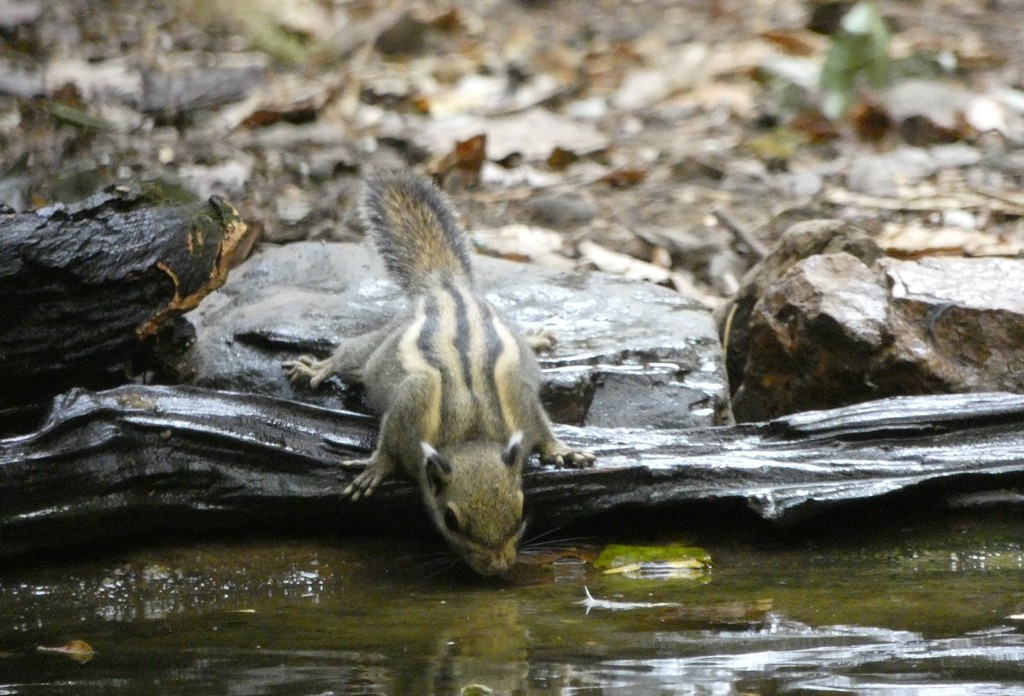
Himalayan Striped Squirrel — related tree squirrel visual context
RELATED TREE SQUIRRELHimalayan Striped SquirrelTamiops mcclellandii — related group reference for visual comparison; not Indian Giant Squirrel.(c) Christopher Rustay, some rights reserved (CC BY-NC) · CC-BY-NC · VIEW SOURCE ↗
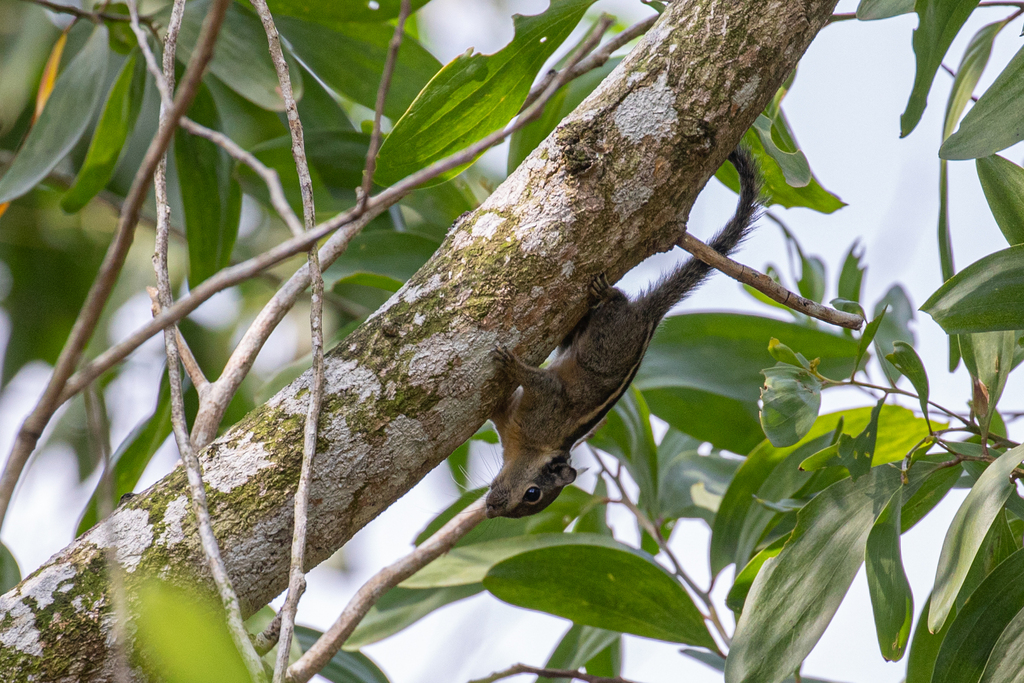
Cambodian Striped Squirrel — related tree squirrel visual context
RELATED TREE SQUIRRELCambodian Striped SquirrelTamiops rodolphii — related group reference for visual comparison; not Indian Giant Squirrel.(c) Utain Pummarin, some rights reserved (CC BY) · CC-BY · VIEW SOURCE ↗
BEHAVIOR

How it behaves

Indian Giant Squirrels are diurnal and highly arboreal.

Typical behaviors include:

They are extremely agile and can leap over 6 meters (20 ft) between branches.

Rarely descending to the ground
Moving rapidly through high forest canopies
Making long leaps between trees
Living solitary or in pairs
DIET

What it eats

Indian Giant Squirrels are primarily herbivorous.

Common foods include:

They may occasionally consume insects or bird eggs.

Fruits
Seeds
Nuts
Tree bark
Flower buds
Leaves
GROUP DIVERSITY

See the wider group around this species

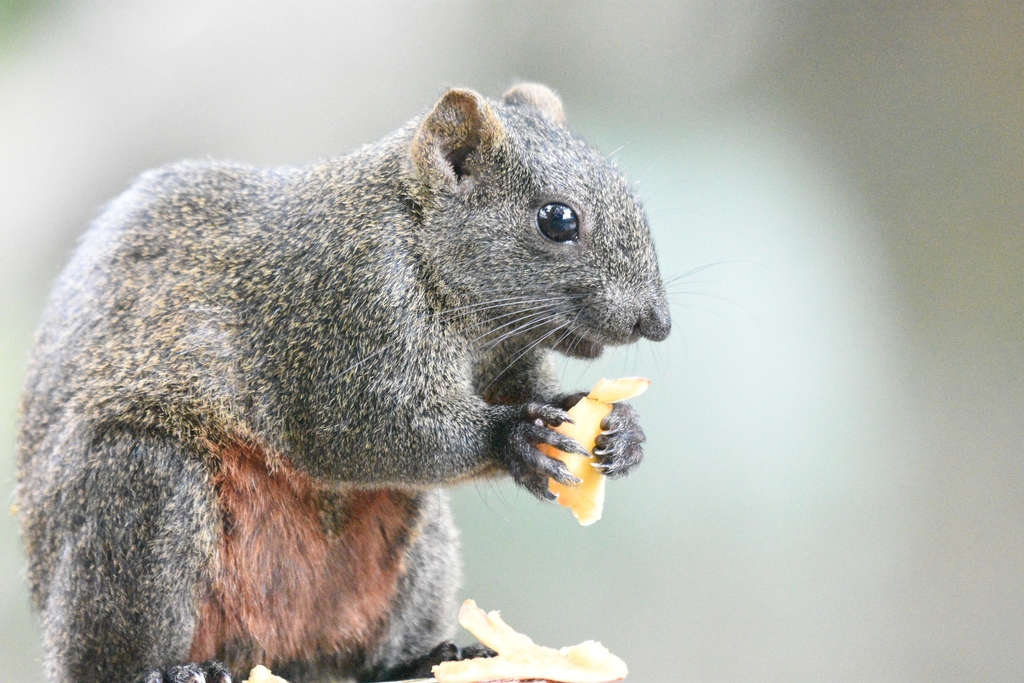
Squirrels in the same broad group can look and live very differently. These credited references provide comparison without changing the facts for Indian Giant Squirrel.
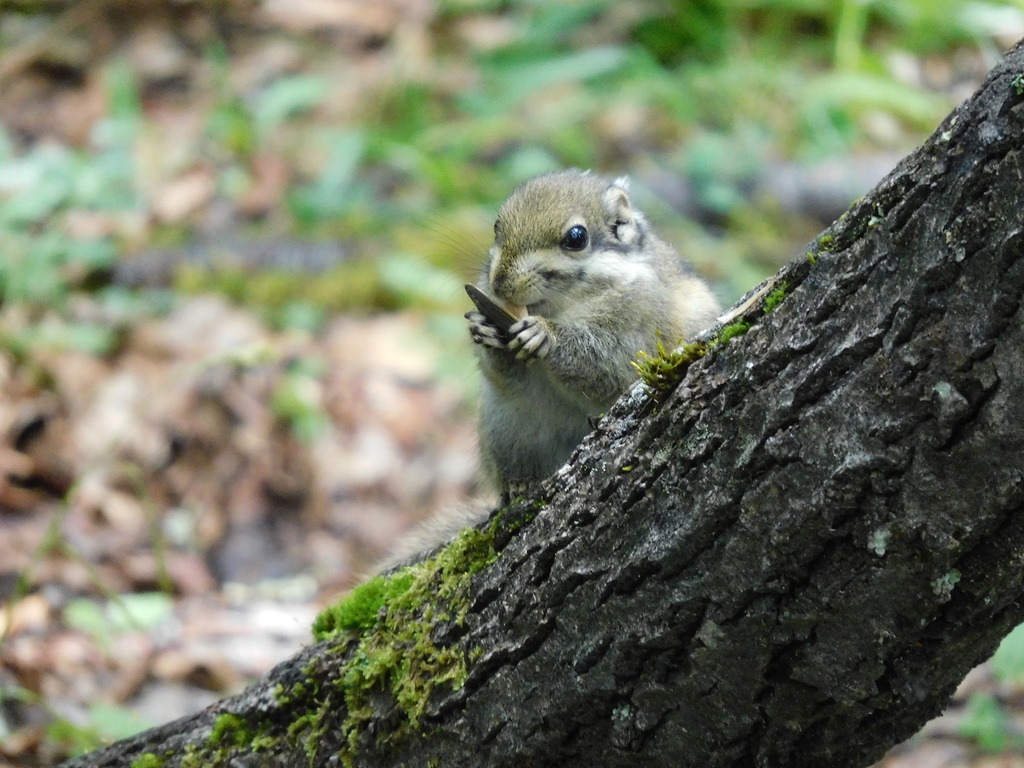
Swinhoe’s Striped Squirrel — related tree squirrel visual context
RELATED TREE SQUIRRELSwinhoe’s Striped SquirrelTamiops swinhoei — related group reference for visual comparison; not Indian Giant Squirrel.(c) Elle Xu, some rights reserved (CC BY-NC) · CC-BY-NC · VIEW SOURCE ↗
Pallas’s Squirrel — related tree squirrel visual context
RELATED TREE SQUIRRELPallas’s SquirrelCallosciurus erythraeus — related group reference for visual comparison; not Indian Giant Squirrel.(c) belyykit, some rights reserved (CC BY-NC) · CC-BY-NC · VIEW SOURCE ↗
REPRODUCTION

Breeding & Young

Breeding seasonYear-round, peaks vary by region
Gestation~28–35 days
Litter size1–2 young

Young squirrels are raised in large leaf nests high in trees.

LIFESPAN

Longevity

Unknown

07

Conservation

STATUS Least Concern

IUCN Status: Least Concern

Although affected by habitat loss in some regions, the Indian Giant Squirrel remains relatively widespread across forested areas of India.