TREE SQUIRRELS · SPECIES PROFILE

Horse-tailed Squirrel

Sundasciurus hippurus

Least Concern
Back to Tree Squirrels →
Body length20–24 cm (8–9 in)
Tail length20–25 cm (8–10 in)
Weight~250–350 g
Fur colorBrown to dark brown
Breeding seasonUnknown
Gestation~40–45 days
01

Classification

KingdomAnimalia
PhylumChordata
ClassMammalia
OrderRodentia
FamilySciuridae
GenusSundasciurus
SpeciesSundasciurus hippurus
NATIVE RANGE

Where it is found

The Horse-tailed Squirrel is native to Southeast Asia.

Its range includes:

The species is found throughout parts of the Malay Peninsula and the Sunda Islands.

Thailand
Malaysia
Indonesia (Sumatra and Borneo)
Brunei
HABITAT

Where it lives

Horse-tailed Squirrels inhabit tropical forest environments.

Typical habitats include:

They are most commonly found in dense forests with abundant tree cover.

Lowland tropical rainforests
Secondary forests
Forest edges
Woodland areas
RANGE & HABITAT CONTEXT

Compare form, setting and structure

Related tree squirrels help break up the reference while showing how habitat, body form and movement can vary across the broader group.

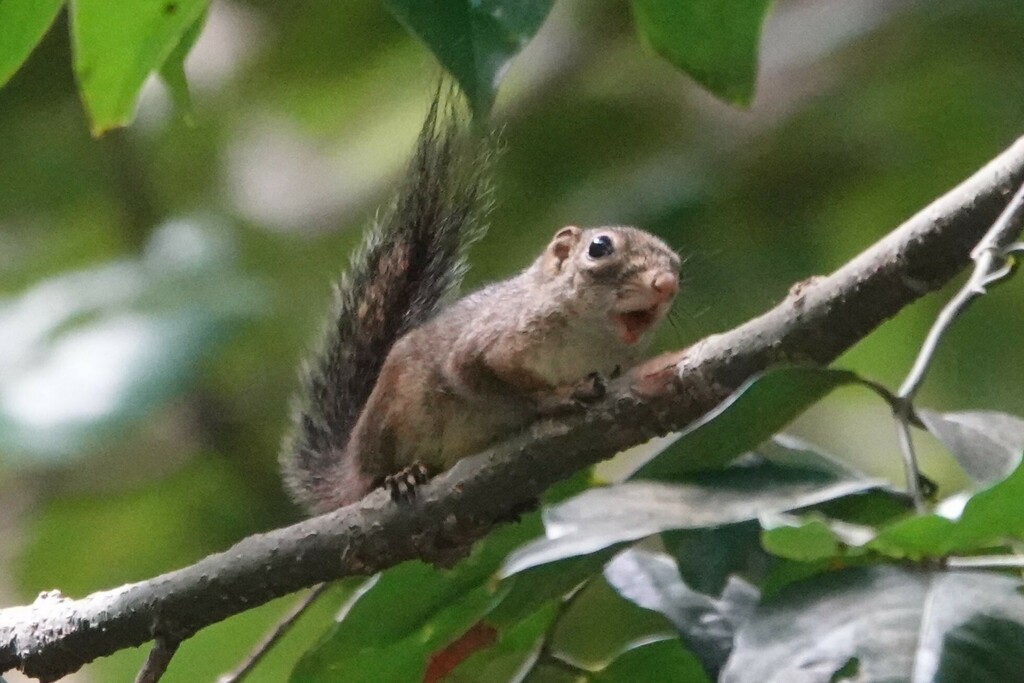
Malayan Mountain Squirrel — related tree squirrel visual context
RELATED TREE SQUIRRELMalayan Mountain SquirrelSundasciurus tahan — related group reference for visual comparison; not Horse-tailed Squirrel.(c) Wich’yanan (Jay) Limparungpatthanakij, some rights reserved (CC BY-NC) · CC-BY-NC · VIEW SOURCE ↗
Lowland Slender Squirrel — related tree squirrel visual context
RELATED TREE SQUIRRELLowland Slender SquirrelSundasciurus tenuis — related group reference for visual comparison; not Horse-tailed Squirrel.(c) Soh Kam Yung, some rights reserved (CC BY-NC) · CC-BY-NC · VIEW SOURCE ↗
03

Nest & Shelter

Horse-tailed Squirrels build nests known as dreys in trees.

Typical nest characteristics include:

They may also occasionally use tree cavities as shelter.

Constructed from twigs, leaves, bark fibers, and grass
Located in tree forks or dense branches
Positioned within the forest canopy
Used for resting and raising young
04

Physical Profile

Body length20–24 cm (8–9 in)
Tail length20–25 cm (8–10 in)
Weight~250–350 g
Fur colorBrown to dark brown
BellyPale gray or cream
Distinct featureVery long, horse-like tail
TailLong and slender with bushy fur

The species is named for its long tail resembling the flowing tail of a horse.

BEHAVIOR & FORAGING CONTEXT

Keep behavior connected to the animal

These are related tree squirrels, not photographs of Horse-tailed Squirrel. Use them as visual context for locomotion, posture, feeding and environmental use.

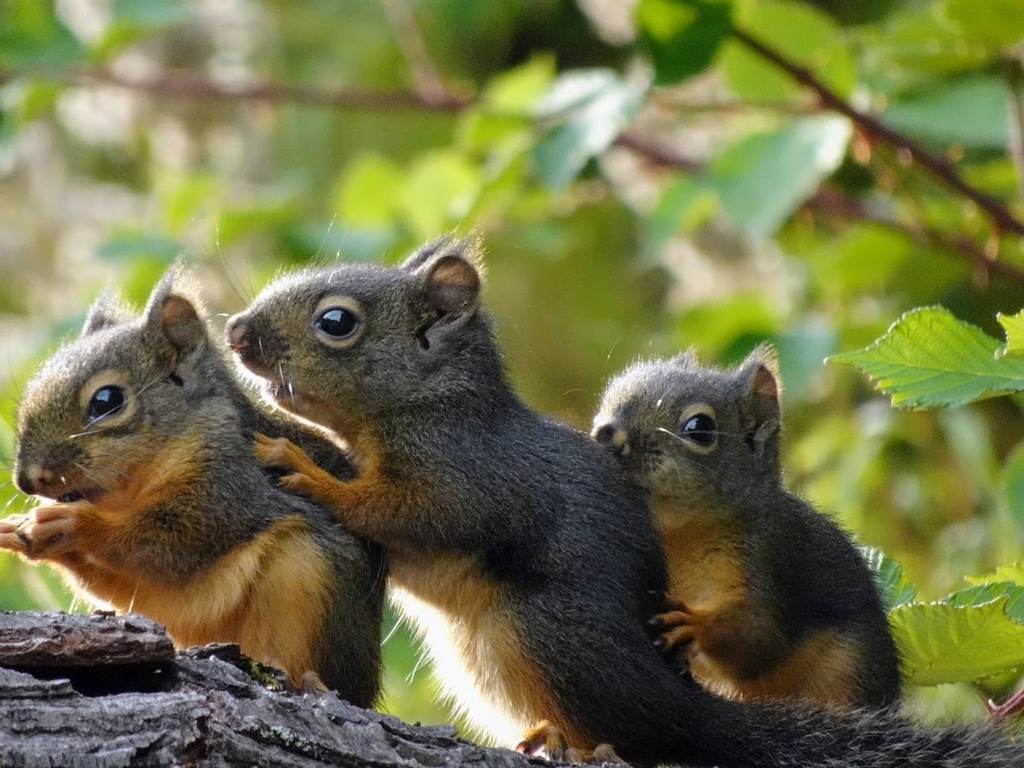
Bangs's Mountain Squirrel — related tree squirrel visual context
RELATED TREE SQUIRRELBangs's Mountain SquirrelSyntheosciurus brochus — related group reference for visual comparison; not Horse-tailed Squirrel.(c) Dan Riley, some rights reserved (CC BY) · CC-BY · VIEW SOURCE ↗
Douglas Squirrel — related tree squirrel visual context
RELATED TREE SQUIRRELDouglas SquirrelTamiasciurus douglasii — related group reference for visual comparison; not Horse-tailed Squirrel.(c) song_dog, some rights reserved (CC BY-NC) · CC-BY-NC · VIEW SOURCE ↗
BEHAVIOR

How it behaves

Horse-tailed Squirrels are diurnal and arboreal.

Typical behaviors include:

They are agile climbers well adapted to forest environments.

Moving rapidly through tree canopies
Foraging among branches and forest understory
Living solitary or in pairs
Producing alarm calls when threatened
DIET

What it eats

Horse-tailed Squirrels are omnivorous.

Common foods include:

Their feeding habits help contribute to seed dispersal in tropical forests.

Fruits
Seeds
Nuts
Tree buds
Bark
Insects
GROUP DIVERSITY

See the wider group around this species

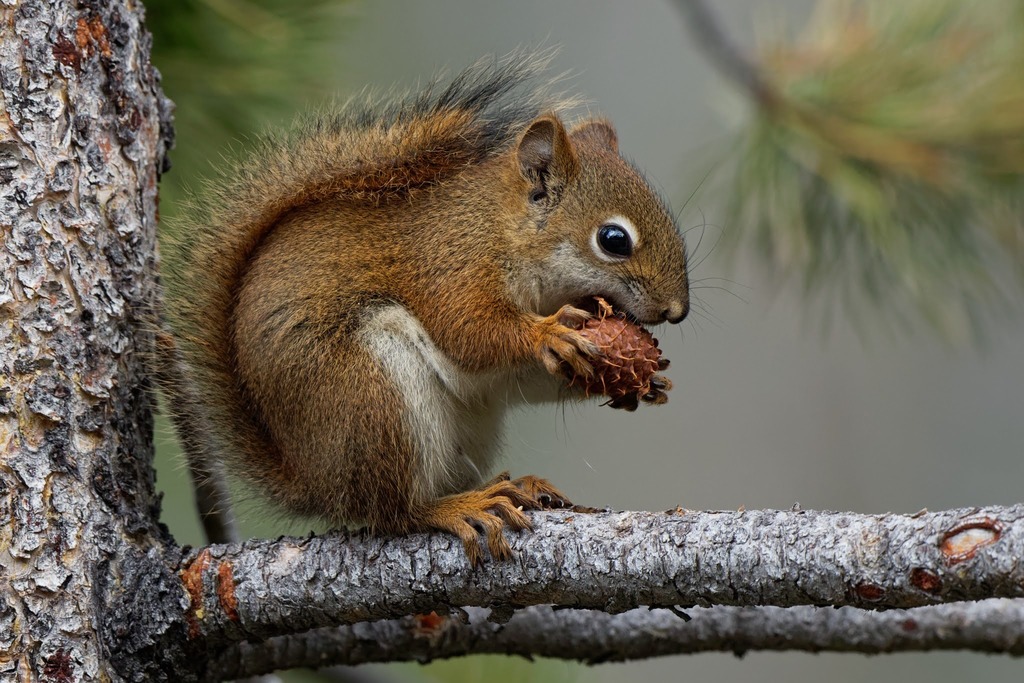
Squirrels in the same broad group can look and live very differently. These credited references provide comparison without changing the facts for Horse-tailed Squirrel.
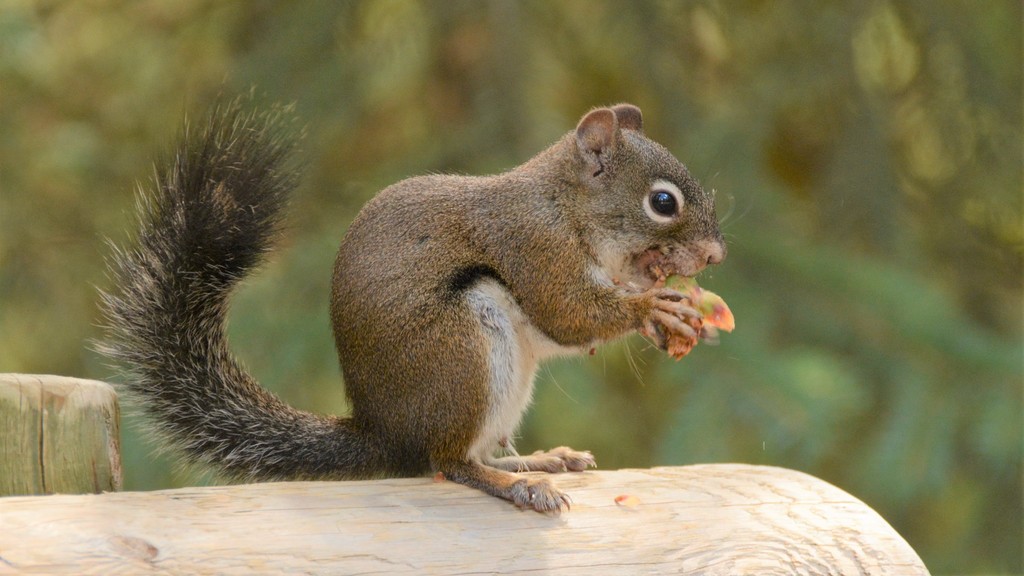
Fremont’s Squirrel — related tree squirrel visual context
RELATED TREE SQUIRRELFremont’s SquirrelTamiasciurus fremonti — related group reference for visual comparison; not Horse-tailed Squirrel.(c) Terry Lee Crane, some rights reserved (CC BY-NC) · CC-BY-NC · VIEW SOURCE ↗
American Red Squirrel — related tree squirrel visual context
RELATED TREE SQUIRRELAmerican Red SquirrelTamiasciurus hudsonicus — related group reference for visual comparison; not Horse-tailed Squirrel.(c) jmarcinik, some rights reserved (CC BY-NC) · CC-BY-NC · VIEW SOURCE ↗
REPRODUCTION

Breeding & Young

Breeding seasonUnknown
Gestation~40–45 days
Litter size2–3 young

Young squirrels are raised in leaf nests located in tree branches.

LIFESPAN

Longevity

Unknown

07

Conservation

STATUS Least Concern

IUCN Status: Least Concern

The Horse-tailed Squirrel is widespread throughout its Southeast Asian range and is not currently considered threatened.