TREE SQUIRRELS · SPECIES PROFILE

Forrest's Rock Squirrel

Sciurotamias forresti

Data Deficient
Back to Tree Squirrels →
Body length20–25 cm (8–10 in)
Tail length12–18 cm (5–7 in)
Weight~250–350 g
Fur colorGray-brown to dark brown
Breeding seasonSpring and summer
Gestation~40–45 days
01

Classification

KingdomAnimalia
PhylumChordata
ClassMammalia
OrderRodentia
FamilySciuridae
GenusSciurotamias
SpeciesSciurotamias forresti
NATIVE RANGE

Where it is found

Forrest's Rock Squirrel is native to southwestern China.

Its known range includes:

The species is found primarily in mountainous regions of southwestern China.

Yunnan Province
Possibly parts of neighboring Tibet (Xizang Autonomous Region)
HABITAT

Where it lives

Forrest's Rock Squirrels inhabit mountain forests and rocky woodland areas.

Typical habitats include:

They are often associated with rocky terrain within forested mountains.

Montane forests
Rocky forest slopes
Mixed conifer and broadleaf forests
Cliffside woodland areas
RANGE & HABITAT CONTEXT

Compare form, setting and structure

Related tree squirrels help break up the reference while showing how habitat, body form and movement can vary across the broader group.

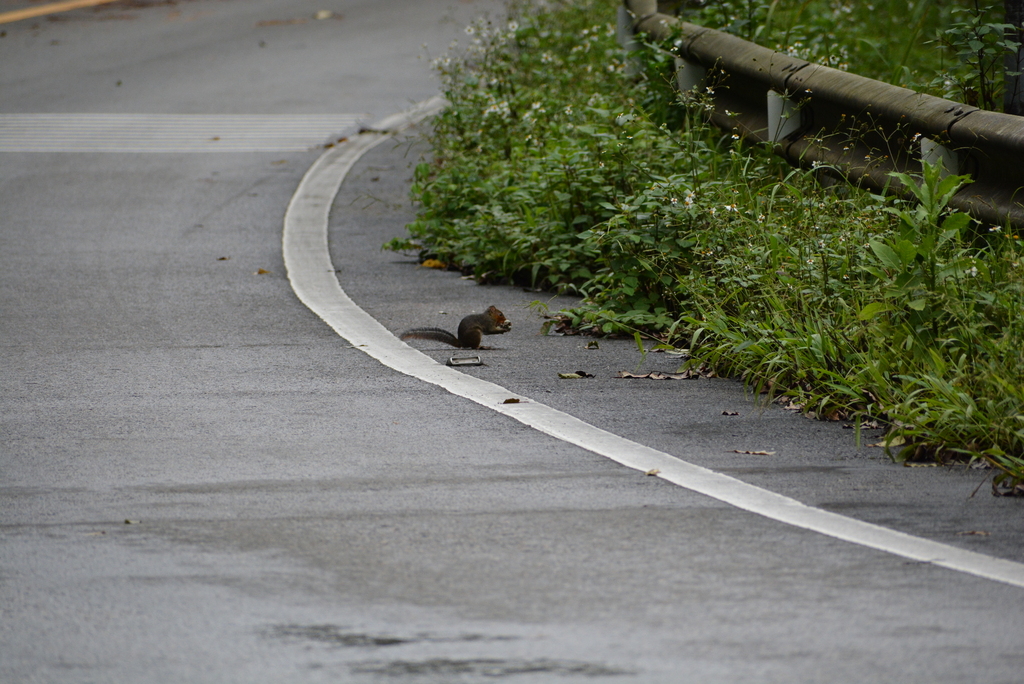
Asian Red-cheeked Squirrel — related tree squirrel visual context
RELATED TREE SQUIRRELAsian Red-cheeked SquirrelDremomys rufigenis — related group reference for visual comparison; not Forrest's Rock Squirrel.(c) goong, some rights reserved (CC BY-NC) · CC-BY-NC · VIEW SOURCE ↗
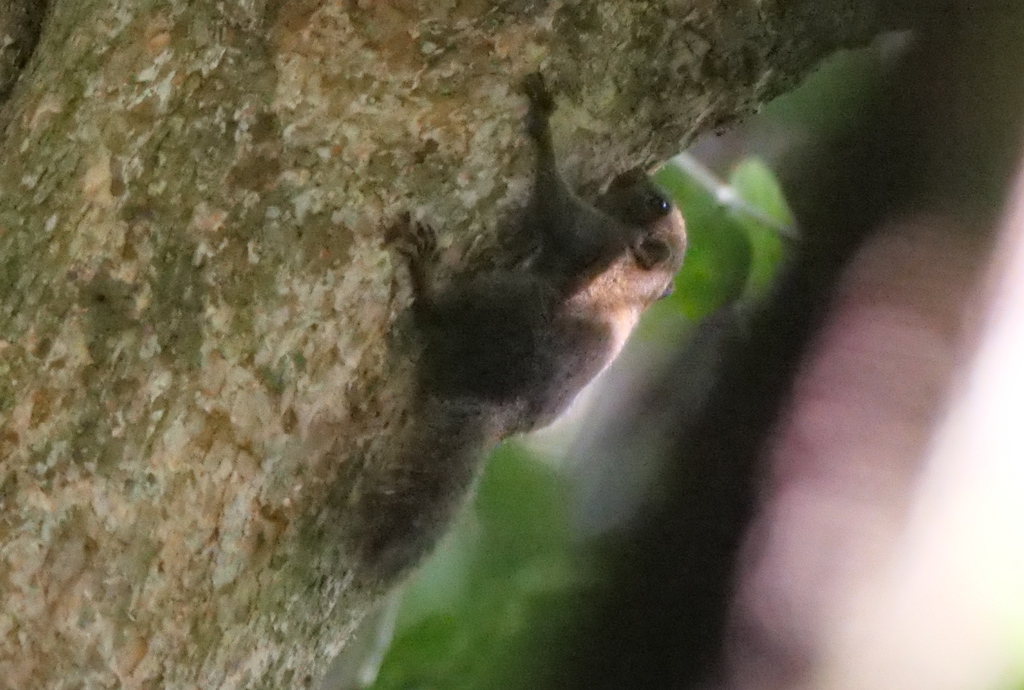
Philippine Pygmy Squirrel — related tree squirrel visual context
RELATED TREE SQUIRRELPhilippine Pygmy SquirrelExilisciurus concinnus — related group reference for visual comparison; not Forrest's Rock Squirrel.(c) blackdogto, some rights reserved (CC BY-NC) · CC-BY-NC · VIEW SOURCE ↗
03

Nest & Shelter

Forrest's Rock Squirrels typically use rock crevices or tree cavities as shelter.

Nest characteristics may include:

These shelters provide protection from predators and harsh mountain weather.

Use of natural rock crevices
Occupying tree hollows
Lining shelters with leaves, moss, and plant fibers
Placement in protected rocky slopes or forested cliffs
04

Physical Profile

Body length20–25 cm (8–10 in)
Tail length12–18 cm (5–7 in)
Weight~250–350 g
Fur colorGray-brown to dark brown
BellyPale gray or whitish
Distinct featureShorter tail compared to many tree squirrels
TailModerately bushy

The species resembles other *rock squirrels of the genus Sciurotamias* and is adapted for life in rocky forest environments.

BEHAVIOR & FORAGING CONTEXT

Keep behavior connected to the animal

These are related tree squirrels, not photographs of Forrest's Rock Squirrel. Use them as visual context for locomotion, posture, feeding and environmental use.

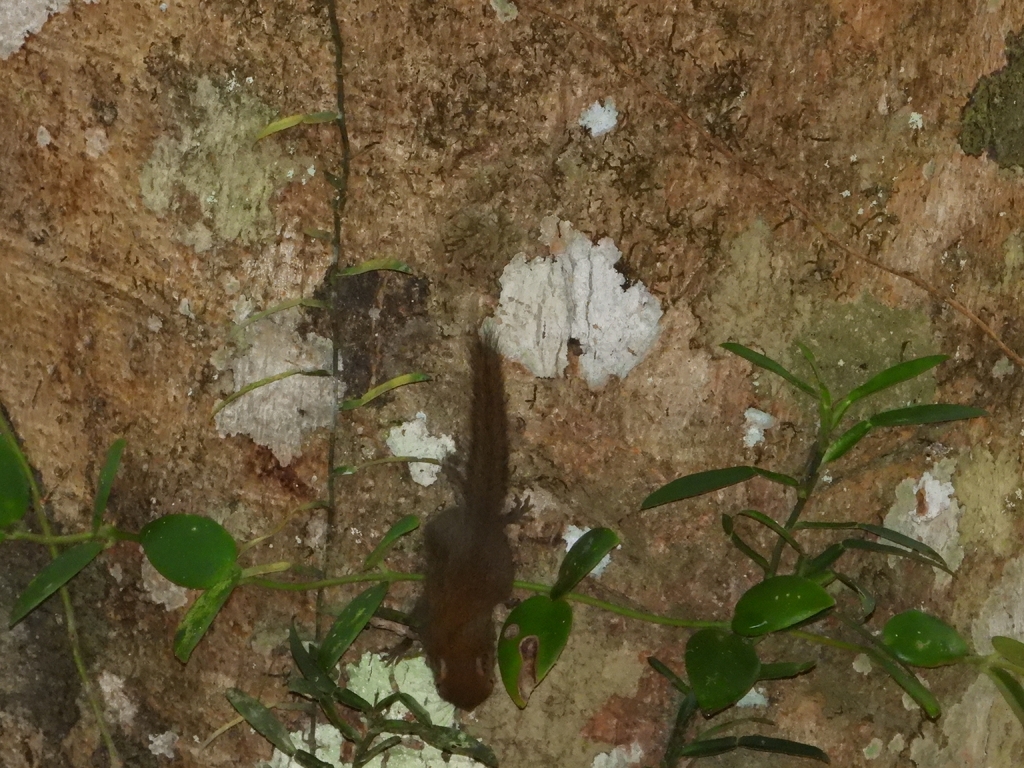
Least Pygmy Squirrel — related tree squirrel visual context
RELATED TREE SQUIRRELLeast Pygmy SquirrelExilisciurus exilis — related group reference for visual comparison; not Forrest's Rock Squirrel.(c) 許慶棠Ray, some rights reserved (CC BY-NC) · CC-BY-NC · VIEW SOURCE ↗
Tufted Pygmy Squirrel — related tree squirrel visual context
RELATED TREE SQUIRRELTufted Pygmy SquirrelExilisciurus whiteheadi — related group reference for visual comparison; not Forrest's Rock Squirrel.(c) Wich’yanan (Jay) Limparungpatthanakij, some rights reserved (CC BY-NC) · CC-BY-NC · VIEW SOURCE ↗
BEHAVIOR

How it behaves

Forrest's Rock Squirrels are diurnal and agile climbers.

Typical behaviors include:

Their behavior combines ground foraging with climbing ability, allowing them to exploit both rocky and forested habitats.

Moving between rock faces and nearby trees
Foraging along forest floors and rocky slopes
Climbing tree trunks and branches
Solitary activity
DIET

What it eats

Forrest's Rock Squirrels are omnivorous.

Common foods include:

Like many squirrels, they may also store food caches for later consumption.

Seeds
Nuts
Fruits
Tree buds
Fungi
Insects
GROUP DIVERSITY

See the wider group around this species

Squirrels in the same broad group can look and live very differently. These credited references provide comparison without changing the facts for Forrest's Rock Squirrel.

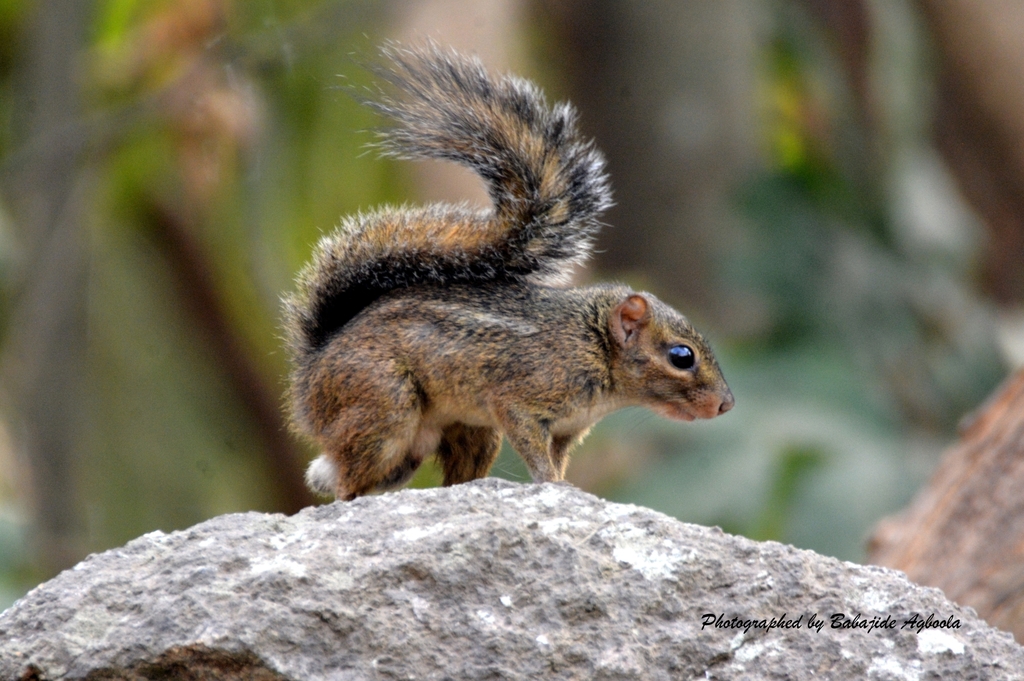
Thomas’s Rope Squirrel — related tree squirrel visual context
RELATED TREE SQUIRRELThomas’s Rope SquirrelFunisciurus anerythrus — related group reference for visual comparison; not Forrest's Rock Squirrel.(c) Babajide Agboola, some rights reserved (CC BY-NC) · CC-BY-NC · VIEW SOURCE ↗
Carruthers's Rope Squirrel — related tree squirrel visual context
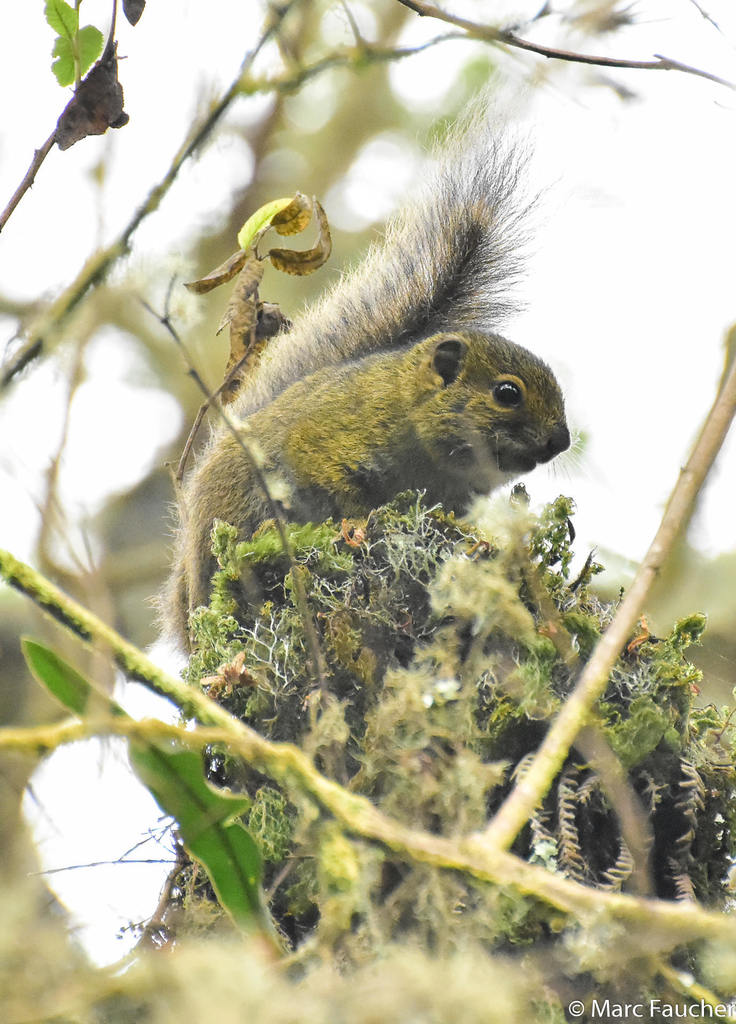
RELATED TREE SQUIRRELCarruthers's Rope SquirrelFunisciurus carruthersi — related group reference for visual comparison; not Forrest's Rock Squirrel.(c) pfaucher, some rights reserved (CC BY-NC) · CC-BY-NC · VIEW SOURCE ↗
REPRODUCTION

Breeding & Young

Breeding seasonSpring and summer
Gestation~40–45 days
Litter size2–4 young

Young are raised in protected nests within rock crevices or tree cavities.

LIFESPAN

Longevity

Unknown

07

Conservation

STATUS Data Deficient

IUCN Status: Data Deficient

Limited information exists on population size and distribution, so the species is currently classified as Data Deficient.