TREE SQUIRRELS · SPECIES PROFILE

Eastern Gray Squirrel

Sciurus carolinensis

Least ConcernTHE SCURRY
Back to Tree Squirrels →
Body length23–30 cm (9–12 in)
Tail length19–25 cm (7.5–10 in)
Weight400–700 g
Fur colorGray, sometimes with brown tones
Breeding seasonWinter and mid-summer
Gestation~44 days
01

Classification

KingdomAnimalia
PhylumChordata
ClassMammalia
OrderRodentia
FamilySciuridae
GenusSciurus
SpeciesSciurus carolinensis
NATIVE RANGE

Where it is found

The Eastern Gray Squirrel is native to eastern North America.

Its natural range includes:

The species has also been introduced to several regions worldwide, including parts of Europe, where it has become established.

Eastern United States
Southeastern Canada
HABITAT

Where it lives

Eastern Gray Squirrels inhabit a wide variety of woodland and urban environments.

Typical habitats include:

They adapt extremely well to human-altered landscapes.

Deciduous forests
Mixed forests
Parks and urban green spaces
Suburban neighborhoods
Agricultural woodlots
RANGE & HABITAT CONTEXT

Compare form, setting and structure

Related tree squirrels help break up the reference while showing how habitat, body form and movement can vary across the broader group.

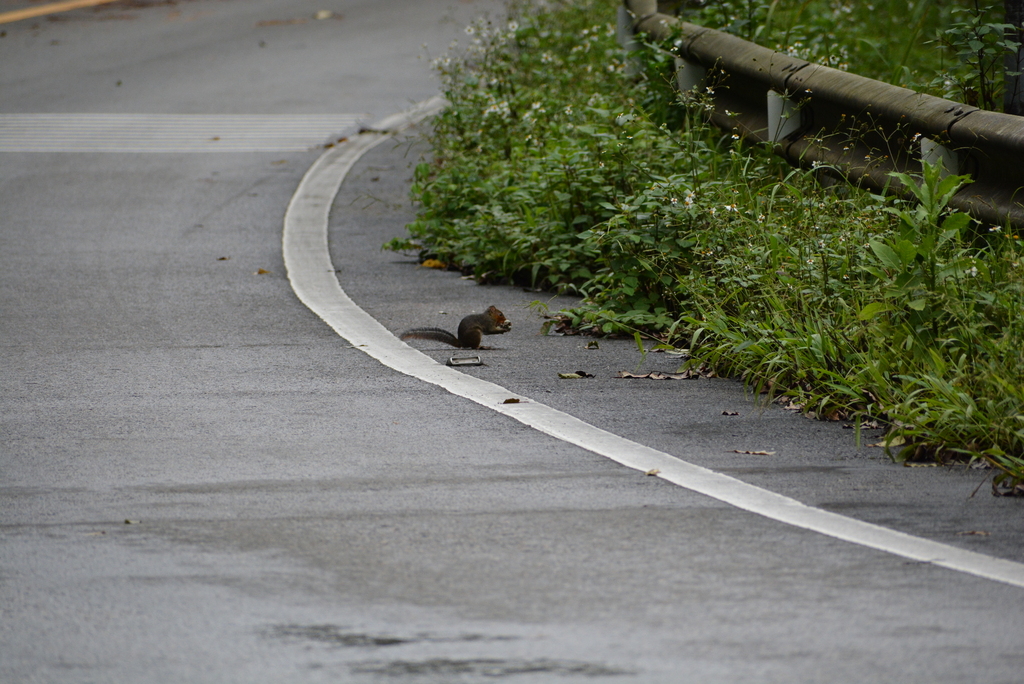
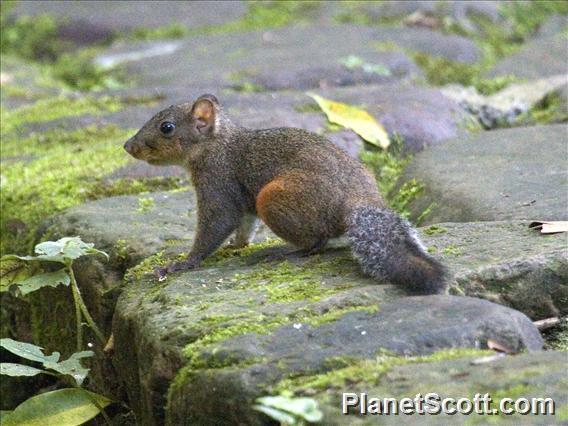
Red-hipped Squirrel — related tree squirrel visual context
RELATED TREE SQUIRRELRed-hipped SquirrelDremomys pyrrhomerus — related group reference for visual comparison; not Eastern Gray Squirrel.(c) Scott Bowers, some rights reserved (CC BY-NC) · CC-BY-NC · VIEW SOURCE ↗
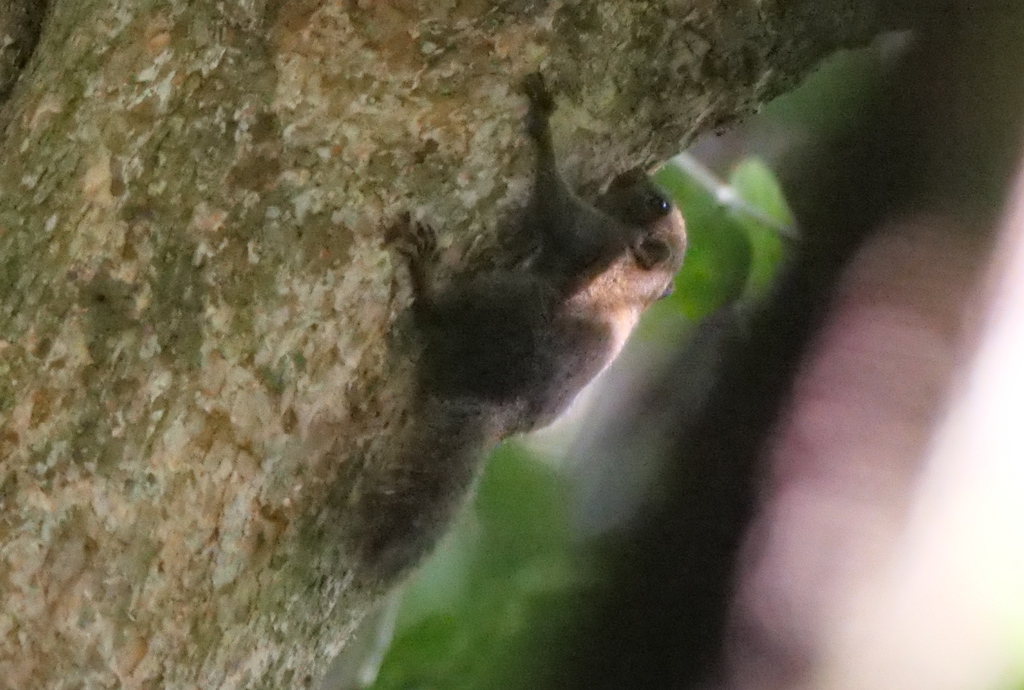
Asian Red-cheeked Squirrel — related tree squirrel visual context
RELATED TREE SQUIRRELAsian Red-cheeked SquirrelDremomys rufigenis — related group reference for visual comparison; not Eastern Gray Squirrel.(c) goong, some rights reserved (CC BY-NC) · CC-BY-NC · VIEW SOURCE ↗
03

Nest & Shelter

Eastern Gray Squirrels build nests known as dreys in trees.

Typical nest characteristics include:

They may also use:

Constructed from twigs, leaves, bark, and moss
Located in tree forks or dense branches
Often positioned high in the canopy
Used for resting and raising young
Tree cavities
Abandoned woodpecker holes
Attics or buildings in urban areas
04

Physical Profile

Body length23–30 cm (9–12 in)
Tail length19–25 cm (7.5–10 in)
Weight400–700 g
Fur colorGray, sometimes with brown tones
BellyWhite or pale gray
TailLarge and bushy

Some populations also exhibit black (melanistic) color variants.

BEHAVIOR & FORAGING CONTEXT

Keep behavior connected to the animal

These are related tree squirrels, not photographs of Eastern Gray Squirrel. Use them as visual context for locomotion, posture, feeding and environmental use.

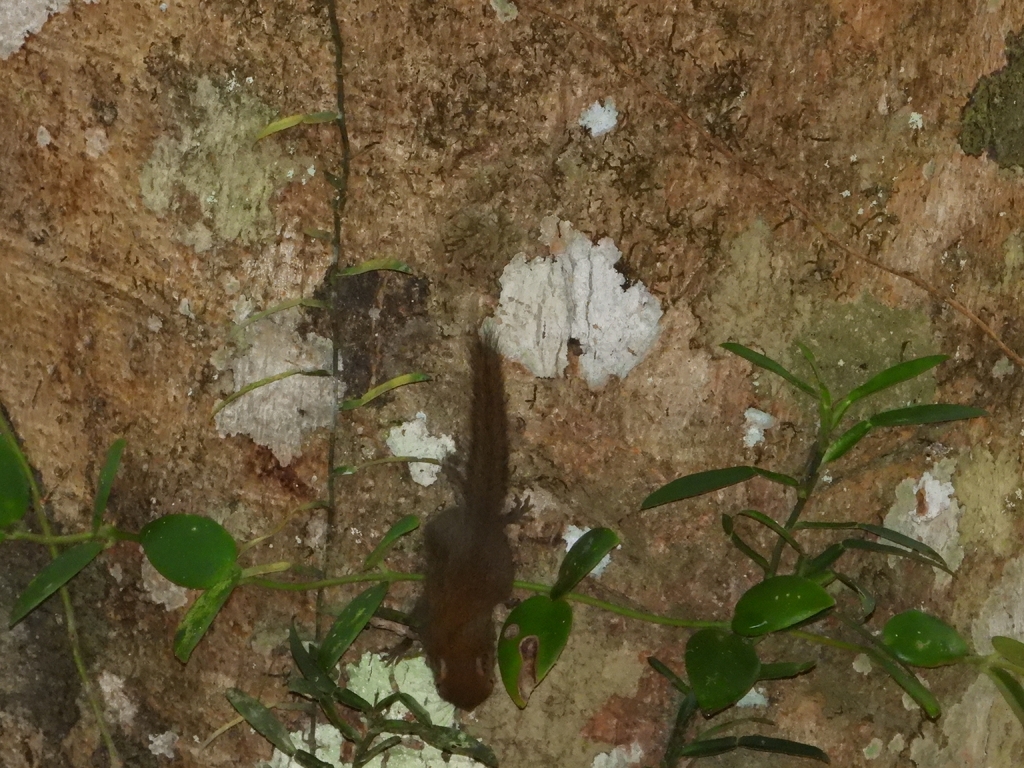
Philippine Pygmy Squirrel — related tree squirrel visual context
RELATED TREE SQUIRRELPhilippine Pygmy SquirrelExilisciurus concinnus — related group reference for visual comparison; not Eastern Gray Squirrel.(c) blackdogto, some rights reserved (CC BY-NC) · CC-BY-NC · VIEW SOURCE ↗
Least Pygmy Squirrel — related tree squirrel visual context
RELATED TREE SQUIRRELLeast Pygmy SquirrelExilisciurus exilis — related group reference for visual comparison; not Eastern Gray Squirrel.(c) 許慶棠Ray, some rights reserved (CC BY-NC) · CC-BY-NC · VIEW SOURCE ↗
BEHAVIOR

How it behaves

Eastern Gray Squirrels are diurnal and highly adaptable.

Typical behaviors include:

They are well known for their scatter-hoarding behavior, burying nuts across wide areas.

Agile climbing and jumping between trees
Burying food caches for later use
Complex spatial memory for locating buried food
Vocal alarm calls when threatened
DIET

What it eats

Eastern Gray Squirrels are omnivorous, though most of their diet is plant-based.

Common foods include:

Their feeding habits play an important role in forest seed dispersal.

Acorns
Hickory nuts
Walnuts
Seeds
Fruits
Tree buds
Mushrooms
Occasionally insects or bird eggs
GROUP DIVERSITY

See the wider group around this species

Squirrels in the same broad group can look and live very differently. These credited references provide comparison without changing the facts for Eastern Gray Squirrel.

Tufted Pygmy Squirrel — related tree squirrel visual context
RELATED TREE SQUIRRELTufted Pygmy SquirrelExilisciurus whiteheadi — related group reference for visual comparison; not Eastern Gray Squirrel.(c) Wich’yanan (Jay) Limparungpatthanakij, some rights reserved (CC BY-NC) · CC-BY-NC · VIEW SOURCE ↗
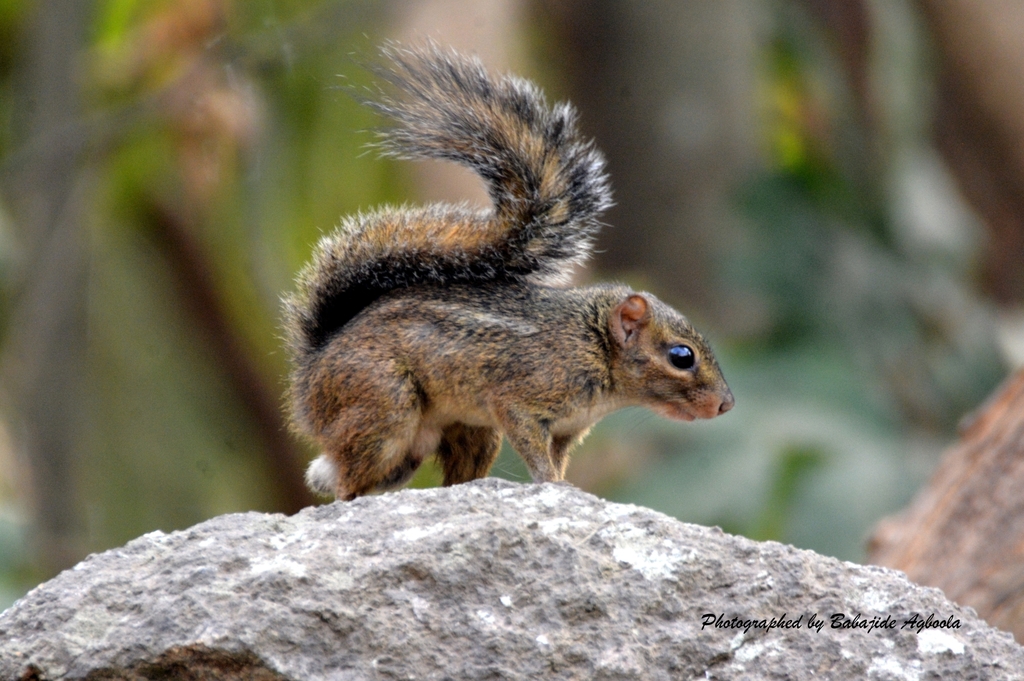
Thomas’s Rope Squirrel — related tree squirrel visual context
RELATED TREE SQUIRRELThomas’s Rope SquirrelFunisciurus anerythrus — related group reference for visual comparison; not Eastern Gray Squirrel.(c) Babajide Agboola, some rights reserved (CC BY-NC) · CC-BY-NC · VIEW SOURCE ↗
REPRODUCTION

Breeding & Young

Breeding seasonWinter and mid-summer
Gestation~44 days
Litter size2–4 young

Young squirrels are raised in tree nests or cavities.

LIFESPAN

Longevity

Unknown

07

Conservation

STATUS Least Concern

IUCN Status: Least Concern

Eastern Gray Squirrels are extremely widespread and abundant across their range.